





Introduction to Basement Finishing
Basement finishing is a popular home improvement project among homeowners seeking to optimize available space. The act of converting an unfinished basement into a livable area can significantly enhance a home’s functionality and appeal. Homeowners consider finishing their basements for various reasons, including the desire for added living space, increased property value, and the potential for enhanced comfort.
One of the primary motivations for basement finishing is the urgent need for additional living quarters without the hassle of moving or expanding a home’s footprint. By transforming an underutilized basement into a family room, home office, or guest suite, homeowners can enjoy the benefits of more space for activities, work, and relaxation. This new living area also provides a private retreat, making it an appealing option for various family dynamics.
In addition to increasing living space, a finished basement can also contribute to significant enhancements in home value. Real estate experts estimate that homeowners can recuperate a considerable percentage of their investment through a well-executed basement finishing project. This type of renovation can set a property apart in a competitive market, offering prospective buyers additional options for leisure, work, or storage, thereby enhancing overall marketability.
Moreover, a finished basement can greatly improve comfort levels within a home. Properly designed and insulated, these spaces can remain warm and inviting during colder months, providing a cozy environment for family gatherings or entertainment. Well-planned lighting and ventilation further enhance the usability of these areas, allowing inhabitants to enjoy their time in the basement while feeling connected to the rest of the home.
Popular Basement Finishing Ideas
Finishing a basement transforms an underutilized area into a functional space that can enhance the overall value of a home. There are numerous creative ideas for this undertaking, catering to various needs and lifestyles. One popular approach is converting the basement into a family room. This setting can be designed to promote relaxation and bonding, outfitted with comfortable seating, a large television, and even a gaming area, fostering a sense of togetherness within the household.
Another compelling option is to establish a home office in the basement. With remote work becoming increasingly prevalent, this idea provides a quiet space away from the distractions found in busier areas of the home. By incorporating good lighting, ergonomic furniture, and storage solutions, a basement can be optimized for productivity without sacrificing comfort.
For fitness enthusiasts, creating a gym in the basement can encourage a consistent workout regimen. The space can be tailored to include essential equipment such as free weights, cardio machines, and yoga mats, allowing homeowners to maintain their fitness goals conveniently at home. Ventilation and lighting are critical in this setting, ensuring the atmosphere remains fresh and motivating.
Additionally, many homeowners opt to design a guest suite in their basement. This idea caters to accommodating friends or family, providing them with a private area that includes a bedroom and possibly an ensuite bathroom. The incorporation of warm decor can make guests feel welcome and comfortable.
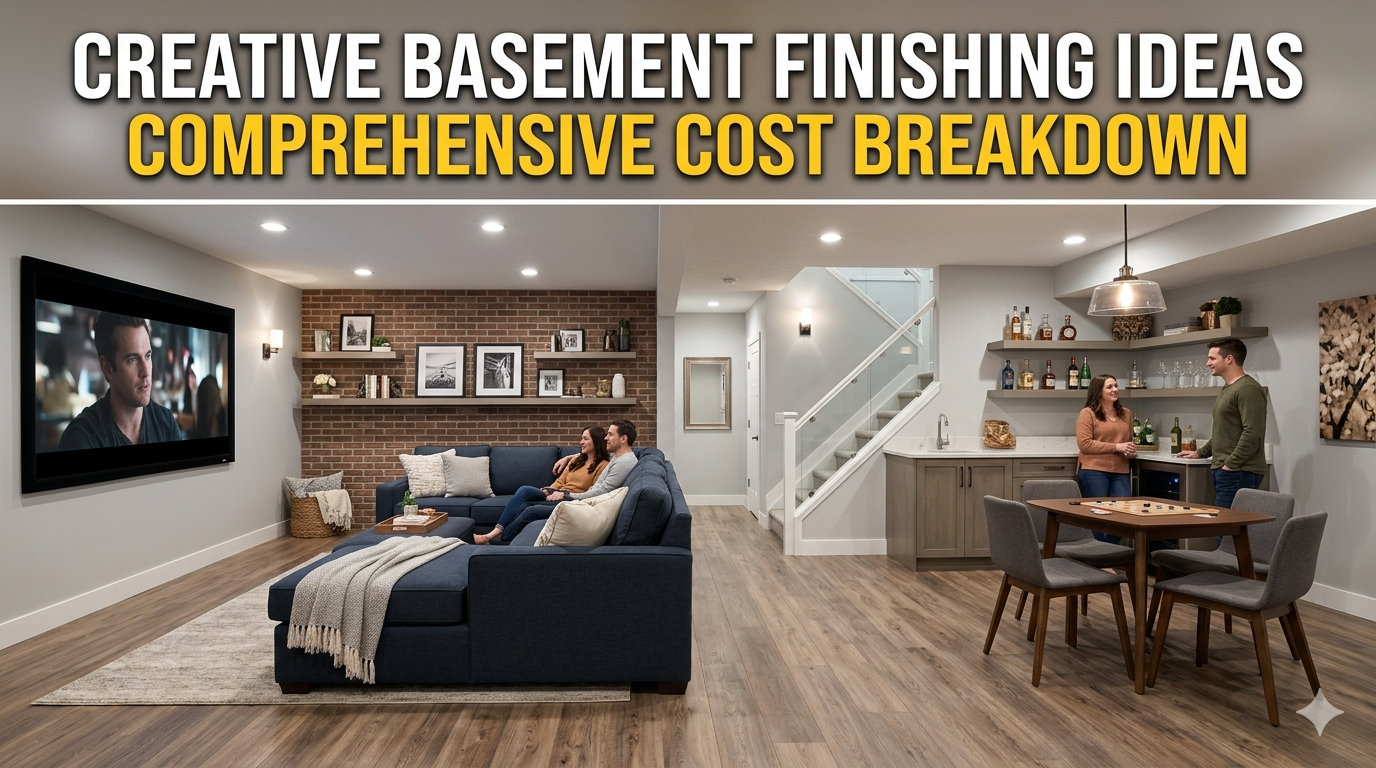
Lastly, transforming the basement into an entertainment area is an appealing choice for those who enjoy hosting gatherings. By adding a wet bar, game tables, and sectional sofas, the space becomes an ideal destination for socializing and leisure activities. Each of these ideas not only enhances livability but also ensures the basement serves a purposeful role in home life.
Essential Considerations Before Finishing a Basement
Embarking on a basement finishing project requires careful planning and consideration of various factors. The first and foremost consideration is moisture control. Basements are inherently susceptible to dampness, and managing moisture is critical to the longevity and comfort of the space. It is advisable to conduct a thorough inspection for any signs of water intrusion or mold. Employing moisture barriers, proper drainage systems, and dehumidification can mitigate potential problems and ensure a dry environment.
Next, insulation plays a pivotal role in basement finishing. Since basements typically have less natural light than other levels of a home, adequate insulation is necessary to maintain a comfortable temperature. The choice of insulation material is essential as it impacts not only energy efficiency but also soundproofing. Utilizing materials such as foam board or spray foam can provide effective insulation, thus creating a more inviting environment.
Moreover, ceiling height is another crucial factor that may influence the design of the finished basement. Local building codes often stipulate minimum ceiling heights to ensure safety and comfort. This consideration may dictate whether additional framing or lowering of floors is necessary. Homeowners should measure the available height and consult local regulations to determine what modifications may be needed to comply with requirements.
Finally, adherence to local building codes cannot be overlooked. These regulations vary significantly by location and can include requirements for egress windows, electrical systems, and plumbing standards. Engaging with a knowledgeable contractor or local building authority can provide clarity on essential permits and inspections, promoting a smooth finishing process.
Choosing the Right Flooring for Your Basement
When it comes to finishing your basement, selecting the right flooring is a critical decision that affects both comfort and aesthetics, as well as practicality. Given the unique challenges posed by basements, including potential moisture issues, some flooring materials are more suitable than others.
Carpet is a popular choice for basement flooring due to its warmth and comfort underfoot. Available in numerous styles and colors, it can add a cozy touch to your space. However, carpet is prone to absorbing moisture, which can lead to mold and mildew if not properly managed. Therefore, if opting for carpet, it is advisable to use moisture-resistant padding and ensure that the basement is well-ventilated.
Laminate flooring offers a durable and stylish option, mimicking the appearance of hardwood while being more resistant to moisture. It is easy to install, making it an attractive choice for DIY enthusiasts. However, laminate can expand and contract with humidity changes, so it should be installed with caution. Additionally, choosing laminate labeled as “water-resistant” or “waterproof” can enhance its performance in a basement setting.
Vinyl flooring stands out as a moisture-resistant alternative, ideal for basements that contend with high humidity levels. Available in both planks and tiles, vinyl is known for its resilience, ease of maintenance, and installation flexibility. Its resistance to water makes it an excellent option for those looking to finish their basement without the risk of damage from spills or leaks.
Lastly, tile presents a timeless and durable option that is naturally resistant to moisture, making it suitable for basement environments. Available in various sizes, colors, and patterns, tiles can be laid in various designs to suit individual styles. However, tile tends to be cold underfoot, so incorporating rugs or underfloor heating systems may enhance comfort.
Wall and Ceiling Finishing Options
When it comes to finishing walls and ceilings in a basement, homeowners have a variety of materials and techniques to choose from, each offering unique aesthetics and functionality. One of the most popular options is drywall, which is known for its smooth finish and versatility. Drywall can be painted or textured, allowing homeowners to customize their space according to their design preferences. Additionally, drywall provides excellent insulation properties, which is essential for maintaining a comfortable temperature in a basement.
Another attractive option for wall finishing is paneling. Wood or faux-wood paneling can add warmth and character to a basement, creating a cozy atmosphere. This material is available in a wide range of styles, including shiplap, beadboard, and traditional tongue-and-groove, catering to various design tastes. Furthermore, paneling can offer some insulation benefits and is relatively easy to install, making it an ideal choice for a DIY project.
For those seeking a more modern or industrial appearance, exposed brick or concrete walls can serve as a chic backdrop. This minimalist approach highlights the raw materials of the basement and can be complemented with various lighting and accessories. However, it is crucial to ensure that the surface is properly sealed and waterproofed to prevent moisture issues, especially in below-grade areas.
The ceiling is another important aspect of basement finishing. Drop ceilings are often utilized in basements due to their accessibility for maintenance and ease of installation. They allow for the integration of insulation and soundproofing materials, enhancing the overall experience in the space. For a more finished look, drywall ceilings can be employed, providing a seamless appearance that can enhance height perception.
Ultimately, the choice of wall and ceiling finishes in a basement should consider both aesthetics and functionality. Balancing design with practical needs will create a space that is both enjoyable and durable.
Lighting Solutions for Basements
Effective lighting solutions are crucial when it comes to transforming dark basements into bright, inviting spaces. A well-lit basement not only enhances the aesthetic appeal but also improves functionality, making it more enjoyable for various activities. One of the most popular options for basement lighting is recessed lighting. This style offers a sleek and modern look, as the fixtures are installed directly into the ceiling, providing a clean and unobtrusive light source. Additionally, recessed lights can be strategically placed to highlight specific areas, such as a cozy reading nook or a home entertainment center.
Another appealing option is pendant fixtures. These hanging lights serve not only as functional lighting but also as decorative elements that can add personality to the space. Available in a variety of styles and designs, pendant lights can complement the overall interior decor. Whether it be industrial, rustic, or contemporary, these fixtures can create focal points that draw the eye and contribute to the overall ambience.
Natural light solutions should not be overlooked when revamping basement spaces. Installing larger windows or utilizing glass block designs is an effective way to introduce more daylight into the area. If structural changes are not feasible, utilizing light tubes can be an innovative solution. These systems capture sunlight from the roof and channel it into the basement, illuminating the area with natural light, which is particularly beneficial for creating a warm and inviting atmosphere.
Finally, it is essential to layer lighting to achieve a balanced illumination throughout the basement. Combining ambient lighting, task lighting, and accent lighting can create depth and dimension while ensuring the space feels welcoming. With these thoughtful lighting solutions, basements can easily transform from dark and dreary to bright and inviting, enhancing their usability and charm.
Budgeting for Your Basement Finishing Project
Finishing your basement can significantly enhance your home’s functionality and value, but it is essential to approach the budgeting aspect meticulously. A well-planned budget ensures that you account for all potential costs and avoid unpleasant surprises during the renovation process.
The primary expenses in a basement finishing project typically fall into three categories: materials, labor, and other hidden costs. Understanding these components will enable you to devise a realistic financial strategy.
Starting with materials, the choice greatly impacts your total investment. Items such as drywall, flooring, insulation, and lighting will likely make up a substantial portion of your expenses. Depending on your preferences, you can choose high-end finishes or more economical options. For instance, hardwood flooring tends to be more expensive compared to laminate, yet it offers a timeless appeal. Anticipating costs of materials upfront will help in preventing potential overruns.
Next, labor costs play a crucial role in your project’s overall budget. Hiring skilled contractors can entail a significant expense, but their expertise often ensures a quality finish that could save you money in future repairs. It is advisable to obtain multiple quotes from contractors, ensuring you strike a balance between cost and quality. Additionally, consider allocating a portion of your budget for unexpected labor charges that may arise during the renovation.
Lastly, hidden costs can manifest in various forms. Examples may include permits, potential structural repairs, and additional electrical or plumbing work that might not have been initially foreseen. Setting aside 10-20% of your overall budget for these unpredictable expenses is prudent and can safeguard against unforeseen financial strain.
In evaluating your basement finishing budget, comprehensively considering materials, labor, and hidden expenses is integral. This meticulous approach not only helps in optimizing your finances but also enhances the experience of transforming your basement into a welcoming and usable space.
DIY vs. Hiring a Professional
When contemplating a basement finishing project, the decision between undertaking the task as a do-it-yourself (DIY) endeavor or hiring a professional contractor is crucial. Each approach comes with its distinct advantages and disadvantages that can significantly influence the outcome of the project.
One of the primary advantages of DIY basement finishing is cost savings. Individuals can avoid labor charges and potentially allocate those funds towards higher-quality materials. Furthermore, undertaking a DIY project can provide a sense of accomplishment and allow homeowners to personalize the space according to their wishes. However, it also demands a substantial commitment of time and effort. Homeowners need to be aware of the skills required for various tasks, including electrical work, plumbing, framing, and drywall installation. Without proper knowledge or experience, projects might not be completed to the desired standard, potentially leading to long-term problems.
On the other hand, hiring a professional contractor can mitigate many of the challenges associated with DIY projects. Professionals bring expertise and a wealth of experience, often resulting in a higher quality of work. They can efficiently manage the project and ensure that all aspects, including compliance with local building codes, are addressed. However, this benefit comes at a cost. The financial implications can be significant, often stretching the budget beyond initial estimates. Additionally, homeowners may have less control over the timetable and the choice of materials used in the project.
Ultimately, when deciding between DIY basement finishing and hiring a professional, homeowners must evaluate their own skills, time availability, and budget. Balancing these factors will facilitate a well-informed decision that suits their specific circumstances.
Conclusion and Final Thoughts
In conclusion, transforming your basement into a functional and inviting space offers numerous advantages, including the potential to increase your home’s square footage and overall value. Throughout this blog post, we explored various creative finishing ideas such as designing a cozy home theater, a productive home office, or an entertaining game room that can cater to your family’s unique needs. Each option presents a unique approach to make the most of your underutilized area.
We also provided a comprehensive cost breakdown, highlighting the various factors influencing expenses. Understanding the financial implications associated with each design choice will enable you to plan a budget that aligns with your expectations while ensuring quality craftsmanship. The investment in your basement can lead to enhanced living arrangements that accommodate your lifestyle and preferences.
As you contemplate your basement finishing project, consider the immediate benefits of transforming this space into an extension of your home, designed for leisure or productivity. The possibilities are limited only by your imagination and the practical considerations of your existing layout. With thoughtful planning and execution, you can unlock the potential your basement holds, creating an inviting and versatile environment for years to come. We encourage you to take the next step and consult professionals who can bring your vision to life, ensuring that your investment yields not only aesthetic appeal but also long-term satisfaction and value.