

What are NFTs?
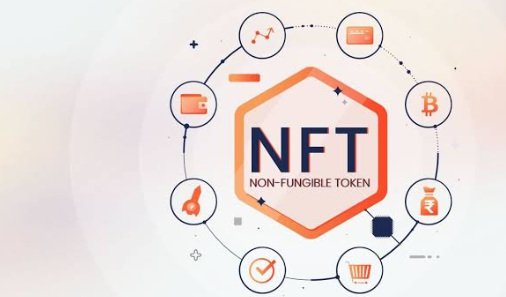
Non-Fungible Tokens (NFTs) are a unique type of digital asset that represent ownership of a specific item or piece of content on the blockchain. Unlike cryptocurrencies, such as Bitcoin or Ethereum, which are fungible and can be exchanged one-for-one, NFTs possess distinct characteristics that set them apart. Each NFT has its own unique identifier and metadata, which differentiate it from any other token. This uniqueness allows NFTs to represent ownership of various digital assets, including art, music, videos, and even virtual goods in video games.
The origin of NFTs can be traced back to the introduction of the Ethereum blockchain, which enabled the creation of smart contracts. These contracts facilitate the issuance and transfer of digital tokens in a way that ensures their authenticity and ownership. The first prominent NFT project, ‘‘CryptoKitties,’’ launched in 2017, allowing users to purchase, breed, and trade virtual cats represented by unique tokens. This innovative approach demonstrated the potential of NFTs beyond conventional cryptocurrency, paving the way for a burgeoning market.
In recent years, the NFT market has experienced significant growth, driven by increased interest from artists, collectors, and investors. Major auction houses and online marketplaces have embraced NFTs, enabling creators to monetize their digital works effectively. The current landscape features a diversity of NFTs, ranging from digital art and music albums to virtual real estate and collectibles. As interest continues to grow, various sectors are exploring the integration of NFTs into their respective industries, expanding the horizons of this digital asset form.
The Rise of NFTs in Various Industries
The rise of non-fungible tokens (NFTs) is transforming various sectors, introducing innovative solutions that enhance how digital assets are created, distributed, and owned. One of the most prominent industries leveraging NFTs is the art world. Artists and art collectors are increasingly adopting NFTs to tokenize artworks, allowing creators to sell their pieces directly to buyers without the interference of traditional galleries. This transformation not only provides artists with greater economic freedom but also ensures transparency regarding ownership and provenance, as every transaction is recorded on the blockchain.
In the gaming industry, NFTs have emerged as a game-changer, enabling players to have true ownership of in-game assets. Games like Axie Infinity and Decentraland have incorporated NFTs, allowing users to buy, sell, and trade virtual items or land. This shift encourages a play-to-earn model, where gamers can monetize their skills and investments in the digital realm, thus creating more engaging experiences.
The music industry is also witnessing significant changes due to NFT adoption. Musicians can now release their songs as NFTs, offering fans unique ownership experiences. By selling limited edition tracks or exclusive access to unreleased content, artists are exploring new revenue streams. Notable musicians, such as Kings of Leon, have embraced this model by releasing entire albums as NFTs, highlighting the potential for artists to connect more directly with their audience.
Furthermore, the real estate sector is starting to explore the utility of NFTs for property transactions. Real estate developers and investors are looking towards tokenizing property assets, which can simplify the buying process and potentially reduce fraud. These NFTs can represent ownership stakes in properties, allowing for fractional ownership and democratizing access to real estate investment.
Through these examples, it is evident that different industries are actively adopting NFTs to streamline operations and generate new economic opportunities. The growing interest in NFTs reflects a trend towards embracing digital innovation across multiple sectors, signaling a future where unique digital assets play a pivotal role in the economy.
Different Types of NFT Utilities
Non-fungible tokens (NFTs) have garnered significant attention primarily for their role in digital art and collectibles, but their functionalities extend far beyond mere ownership. As the ecosystem around NFTs evolves, diverse utilities are emerging that enhance their value and engagement within various sectors.
One prominent utility of NFTs is granting access to exclusive content. For instance, artists and creators may release limited edition tracks or artworks exclusively available to NFT holders. This not only solidifies the collector’s stake in the artwork but also fosters a closer relationship between fans and creators. For example, some musicians are using NFTs to provide fans with early access to new albums or tickets for live events, thereby creating a unique experience for dedicated supporters.
Moreover, NFTs can offer membership benefits within specific communities or platforms. This type of utility allows holders to gain entry into exclusive clubs, receive discounts, or obtain special privileges, enhancing their engagement with the brand or artist. An illustrative case is seen with brands like Bored Ape Yacht Club, where owning an NFT provides members with invitations to special events and networking opportunities, in addition to digital perks.
Furthermore, the gaming industry has embraced NFTs to enhance user experiences through virtual items, skins, and characters that players can buy, sell, or trade. Games like Axie Infinity exemplify the combination of gaming and NFT utilities, enabling players to earn by participating in a play-to-earn model. These scenarios empower players with tangible ownership of in-game assets, which not only elevates their gaming experience but also introduces opportunities for monetization.
In summary, the utility of NFTs extends beyond ownership and incorporates a wealth of functionalities that can enrich user interactions. As the applications of NFTs continue to evolve, stakeholders must stay informed about their potential expansions across different realms, significantly influencing how we perceive digital ownership and engagement.
NFTs in Gaming: Unlocking Unique Experiences
Non-fungible tokens (NFTs) have revolutionized various sectors, with the gaming industry being one of the most notable beneficiaries of this groundbreaking technology. By integrating NFTs into video games, developers offer players the opportunity to own unique in-game assets, fundamentally altering the traditional gaming experience. This not only enhances player engagement but also introduces a new layer of economy and ownership within virtual worlds.
One of the significant advantages of NFTs in gaming is the ability for players to possess verifiable ownership of their digital items. Traditional game assets often remain locked within the confines of a game’s ecosystem, making it challenging for players to trade or sell them. However, with NFTs, players can buy, sell, or trade their assets in a decentralized marketplace without relying on a central authority. This creates a player-driven economy where the value of in-game items can appreciate based on demand.
Several prominent games have successfully implemented NFT technology, showcasing the potential benefits. For instance, games like Axie Infinity allow players to collect, breed, and trade digital creatures known as Axies. Each Axie is a unique NFT, ensuring that no two are alike. This has led to a thriving secondary market where players have reported earning significant amounts of money through their gameplay.
Another notable example is Decentraland, a virtual reality platform that enables players to buy, develop, and sell parcels of virtual land as NFTs. This enables users to establish their presence in the digital world, fostering creativity and community engagement, while also providing an avenue for investment.
In conclusion, the integration of NFTs into gaming not only enhances the ownership experience for players but also creates new economic opportunities within digital landscapes. As more games adopt this technology, it will be fascinating to witness the evolution of player interactions and the potential for innovative gameplay experiences.
Art and NFTs: Empowering Creators
Non-fungible tokens (NFTs) are revolutionizing the art world by providing artists with unprecedented opportunities to showcase and monetize their work. Traditionally, artists often relied on galleries and auction houses to sell their creations, which would frequently result in significant portions of their earnings being appropriated by intermediaries. With the advent of NFTs, artists can now sell their work directly to consumers on various digital platforms, effectively eliminating the need for middlemen.
This direct-to-consumer model not only allows artists to retain a larger share of the sale proceeds, but it also encourages a closer connection with their audience. By utilizing blockchain technology, artists can create verifiable digital ownership of their pieces, thereby ensuring that their works are recognized and valued appropriately. This transparency in ownership is a key aspect of the NFT ecosystem, helping to build trust between creators and collectors.
Moreover, NFTs introduce the concept of royalties, allowing artists to earn ongoing income from their work each time it is resold. This feature is particularly beneficial in fostering a sustainable revenue stream for artists, granting them financial security that was often hard to achieve in the conventional art market. Consequently, many creators are now empowered to explore new creative avenues, knowing that their intellectual property rights are protected.
Furthermore, the ability to tokenize artwork on the blockchain ensures that artists can maintain control over their intellectual property. This capability helps to prevent unauthorized use or reproduction of their works, which has been a persistent issue in the digital space. By leveraging NFTs, artists can assert their rights while simultaneously leveraging their creativity in innovative ways.
Incorporating NFTs into the art world creates exciting opportunities for both artists and collectors, fostering a more equitable and dynamic marketplace that embraces digital ownership. The transformation of how art is bought, sold, and valued continues to evolve, encouraging both emerging and established artists to engage with this digital revolution.
Challenges and Concerns in NFT Utility
As the popularity of non-fungible tokens (NFTs) continues to grow, so too do the concerns associated with their utility. One prominent issue is the environmental impact of minting and trading NFTs. The blockchain networks that underpin most NFTs, particularly Ethereum, require extensive computational power, which translates into significant energy consumption. Critics argue that this process contributes to carbon emissions, raising alarms about the environmental sustainability of NFTs and their long-term viability. As discussions around climate change intensify, this concern has prompted some in the community to explore alternatives, such as more energy-efficient blockchains.
Another major consideration is the volatility of the NFT market. Prices for NFTs can fluctuate wildly, driven by trends, speculations, and social media hype. This volatility poses risks for investors and creators alike, leading to discussions about the speculative nature of the NFT space. Buyers may find themselves facing substantial financial losses if the perceived value of an NFT drops suddenly. This inherent instability has led to debates about the true value of NFTs and whether they can establish themselves as a reliable asset class.
Furthermore, the potential for scams and fraudulent activities remains a pressing concern. The rapid growth of the NFT market has attracted individuals looking to exploit unsuspecting buyers, often through phishing scams or counterfeit NFTs. These incidents highlight the need for education within the community on recognizing and avoiding fraudulent schemes. Many in the NFT space are advocating for improved transparency and identification measures to help mitigate these risks. Overall, while NFTs present exciting opportunities, these challenges demand careful consideration, leading to ongoing discussions about the future of NFT utility and safety in this evolving digital landscape.
Future Trends in NFT Utility
The landscape of Non-Fungible Tokens (NFTs) is evolving at an unprecedented rate, driven by advancements in technology and innovative applications. As we look ahead, it is clear that the utility of NFTs will continue to expand, shaping various industries and transforming digital experiences.
One significant area of growth is the seamless integration of NFTs with the metaverse. This expansive digital universe is set to become a central hub for social interaction, work, and recreation. Within the metaverse, NFTs could serve as essential assets, acting as proof of ownership for virtual real estate, avatars, and unique digital items. This integration will likely foster new social dynamics and experiences, enhancing how users engage with digital environments and each other.
Furthermore, as blockchain technology matures, the functionality of NFTs will diversify beyond simple ownership proof. New use cases are anticipated, such as NFTs representing access rights to exclusive content, services, or experiences. For instance, artists may offer limited-edition experiences or behind-the-scenes access to their fans through NFTs. Similarly, NFTs could facilitate ticketing systems for events, ensuring secure and verifiable transactions that minimize fraud.
Moreover, practical applications in sectors such as real estate, gaming, and intellectual property are on the horizon. In real estate, fractional ownership of properties through NFTs could democratize investments, enabling a broader audience to participate in the property market. In gaming, NFT technology could redefine in-game assets’ ownership, allowing players to trade their items across different games and platforms, creating a more interconnected gaming ecosystem.
In conclusion, the future of NFT utility appears promising, with many potential applications waiting to be explored. As technology advances and more sectors recognize the value of NFTs, the possibilities for their use will become increasingly limitless, shaping the digital landscape in transformative ways.
Getting Started with NFTs: A Beginner’s Guide
Non-fungible tokens (NFTs) have gained significant attention, drawing artists, collectors, and investors into their vibrant ecosystem. If you are a beginner interested in purchasing or creating NFTs, understanding the foundational steps can greatly enhance your experience.
First, one must set up a digital wallet, which is essential for holding cryptocurrencies and NFTs. Wallets can be categorized into two main types: hot wallets and cold wallets. Hot wallets, such as MetaMask or Trust Wallet, are connected to the internet and allow for easier transactions. In contrast, cold wallets, like Ledger or Trezor, provide an offline means of securing your assets, although they are less convenient for everyday use. Choose a wallet that suits your needs based on security preferences and ease of use.
After establishing a wallet, the next step is to acquire cryptocurrency. Most NFT marketplaces operate on Ethereum blockchain, requiring Ether (ETH) to make purchases. You can buy ETH on platforms like Coinbase or Binance. Ensure that the funds are transferred to your wallet before proceeding to the next steps.
With a funded wallet, you are ready to explore NFT marketplaces. Popular platforms include OpenSea, Rarible, and Foundation. Each marketplace has its unique features, types of NFTs, and community culture. Browse various listings to familiarize yourself with what is available and identify pieces that resonate with you. Pay attention to gas fees, which are the transaction costs associated with buying or selling NFTs on the Ethereum network.
When purchasing NFTs, it is crucial to understand the importance of verification. Check the authenticity of the token and the creator’s profile to avoid scams or counterfeit works. Additionally, if you are interested in creating your own NFT, platforms like Mintable or OpenSea offer user-friendly tools to upload your digital art or collectibles. Always remember to consider copyright issues and the potential market for your creation.
In conclusion, starting your journey in the NFT space involves setting up a digital wallet, acquiring cryptocurrency, exploring marketplaces, and understanding the nuances of authenticity and creation. With these steps, you can embark on a rewarding experience in the burgeoning world of NFTs.
Conclusion: The Potential of NFTs
As the exploration of non-fungible tokens (NFTs) progresses, it becomes increasingly clear that their utility extends far beyond the realm of digital art and collectibles. NFTs possess the potential to revolutionize various sectors, including entertainment, gaming, real estate, and intellectual property management. By providing a mechanism for unique digital ownership, NFTs facilitate new business models and enhance user engagement.
In the entertainment industry, for example, NFTs are enabling artists to sell exclusive content directly to fans, fostering a closer relationship between creators and their audience. Similarly, in the gaming sector, NFTs offer players true ownership of in-game assets, allowing them to trade, sell, or even use these assets across different gaming platforms. This shift not only empowers players but also transforms the economic landscape of gaming.
Moreover, the real estate industry is beginning to adopt NFTs for property transactions, helping streamline processes and increase transparency in ownership records. By digitizing property deeds into NFTs, stakeholders can simplify the ownership process and potentially reduce fraud. Intellectual property, too, stands to benefit as NFTs can help verify and enforce ownership rights, thus protecting creators against unauthorized use.
However, with the vast opportunities that NFTs present, it is essential for individuals to remain well-informed and engage with these technologies responsibly. The landscape of NFTs is rapidly evolving, and staying current with trends and regulatory considerations is crucial. Understanding the underlying technology and associated risks will empower users to make educated decisions in this burgeoning market.
In conclusion, the transformative potential of NFT utility across various domains cannot be overstated. As they continue to gain traction, stakeholders from different industries should approach their engagement with NFTs thoughtfully, ensuring that the benefits of this innovative technology are realized in an ethical and sustainable manner.