

Introduction to Web3 Gaming
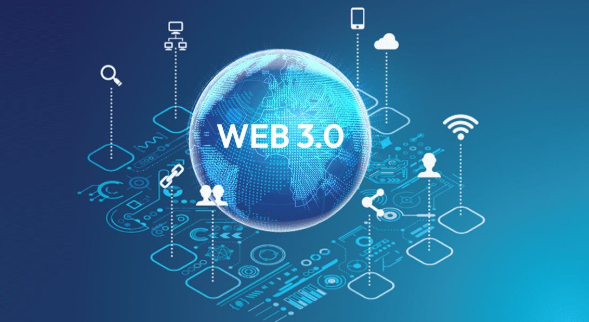
The gaming industry is undergoing a significant transformation with the advent of Web3, an evolution characterized by decentralized networks, blockchain technology, and a shift in the role of players within the gaming ecosystem. Unlike traditional gaming models, which often centralize control within developers and publishers, Web3 gaming introduces a paradigm where players have increased agency and ownership over their in-game assets and experiences.
One of the defining features of Web3 gaming is its decentralized nature, which enables players to interact directly with each other and with the game world through smart contracts on a blockchain. This shift allows for transparency and security in ownership verification, meaning players can truly own their digital assets, such as skins, characters, and in-game currencies. In essence, the concept of ownership in gaming is being redefined; assets are no longer tied to a single platform or developer, and players can trade or sell their items freely, creating an open market.
Another significant aspect of Web3 gaming is the player-centric economy. In traditional gaming, economic systems are often controlled by game developers, dictating how in-game currencies are earned and spent. Web3, on the other hand, empowers players to participate actively in the game’s economy, potentially earning real-world income through gaming activities. Players are rewarded for their contributions to the game, such as participating in governance decisions or contributing content, fostering a sense of community and collaboration.
The transition from Web2 to Web3 represents a fundamental shift not only in how we approach gaming but also in our understanding of digital engagement. As players become more involved in shaping the game experience and its economic facets, Web3 creates opportunities for innovation that were previously unfeasible. This new model has the potential to unlock a wave of creativity and sustainable mechanisms that benefit both developers and players alike.
Understanding Blockchain Technology
Blockchain technology is a revolutionary system that offers a decentralized and secure way to record and manage data across various sectors, including gaming. At its core, blockchain consists of a distributed ledger that functionally maintains an ever-growing list of records, commonly known as blocks. Each block contains a series of transactions, and once recorded, the information within is immutable, ensuring the integrity of the data. This fundamental characteristic plays a pivotal role in the gaming industry, particularly in creating fair and transparent environments for players.
One of the primary components of blockchain technology is decentralization. Unlike traditional databases that rely on a single point of control, a blockchain operates on a network of computers, or nodes, spread across the globe. This decentralization not only enhances security but also reduces the risks associated with data breaches, as the information is not stored in a singular location vulnerable to attacks. By distributing the control across multiple entities, blockchain technology fosters a sense of trust among participants within the gaming landscape.
Another critical aspect is transparency. Each transaction on a blockchain is visible to all participants, providing verifiability and accountability. This transparency can significantly enhance the gaming experience by minimizing fraudulent activities, such as cheating or account hacking. Players can have confidence that the games they participate in operate on a fair basis, thereby maintaining the integrity of the gaming environment.
Additionally, security is a fundamental pillar of blockchain technology. Utilizing cryptographic techniques, blockchain ensures that data is protected against unauthorized access and alterations. In the context of Web3 gaming, this security is paramount, as players’ assets and identities must be safeguarded. Through smart contracts, which automatically execute transactions when predefined conditions are met, blockchain further solidifies the security framework, ensuring that all players’ interactions are upheld with integrity.
In light of its critical components—decentralization, transparency, and security—blockchain technology serves as a foundational layer for Web3 gaming. It enables new models of player interaction and ownership by allowing gamers to truly own their in-game assets and participate in a vibrant digital economy.
The Economics of Web3 Gaming
Web3 gaming presents a transformative shift in the economic landscape of the gaming industry. At the heart of this evolution lies the play-to-earn model, which enables players to generate income through participation in games. Unlike traditional gaming frameworks where players purchase games and in-game items without tangible returns, Web3 integrates blockchain technology to empower players by providing them ownership of in-game assets.
In a play-to-earn structure, players can earn cryptocurrency or non-fungible tokens (NFTs) as they engage with the game. These assets can hold significant real-world value, offering players a financial incentive to invest time and effort into their gaming experience. This novel approach not only incentivizes gameplay but also fosters a vibrant community of gamers who can trade, sell, or utilize their in-game earnings.
Token economics forms a crucial element of the Web3 gaming ecosystem. Many games are built around specific tokens that facilitate transactions within the game’s environment. These tokens may serve various functions, such as enabling players to purchase items, access exclusive content, or engage in governance decisions regarding the game’s development. Consequently, the economic models associated with these tokens must be designed to promote sustainability, ensuring that the game’s economy can thrive in the long term.
Moreover, blockchain technology facilitates transparency and security in these economic interactions. The decentralized nature of blockchain ensures that transactions are verifiable and immutable, fostering trust among players. This transparency is particularly vital in maintaining the economic integrity of play-to-earn models, where asset valuation must be clear and reliable.
As Web3 gaming continues to evolve, the economic implications will become increasingly significant. Understanding the integration of play-to-earn mechanics, token economics, and the monetization of in-game assets through blockchain technology will be vital for both developers and players navigating this new frontier. This shift not only redefines the relationship between gamers and the digital worlds they inhabit but also opens up new avenues for innovation and growth in the gaming industry.
Impact of NFTs on Gaming
Non-Fungible Tokens (NFTs) have emerged as a transformative force within the gaming industry, altering the way players and developers perceive ownership and value within the digital realm. Unlike traditional digital assets that can be easily replicated, NFTs provide a unique proof of ownership for in-game items, characters, and other digital assets. This innovation enables players to truly own their digital possessions, giving them the ability to buy, sell, or trade these assets on various marketplaces. As a result, players gain a sense of agency and investment in their gaming experiences.
The advent of NFTs allows for a scalable and transparent system that can enhance player engagement. Game developers are now able to create ecosystems where players not only partake in games but also participate in the economy that revolves around these digital assets. For example, limited edition in-game items can be issued as NFTs, heightening their perceived value due to their scarcity. This creates an exciting opportunity for players who can acquire rare items and leverage them for economic gain or aesthetic enjoyment.
Furthermore, the use of NFTs can also lead to new revenue models for developers. By incorporating NFT capabilities, developers can earn a percentage of sales whenever an asset changes hands, stitching a continuous revenue stream into their business model beyond the initial sale. This practice enables developers to remain financially viable while fostering a community of players who are deeply invested in the gaming landscape.
However, the integration of NFTs in gaming is not without challenges. Issues such as environmental concerns regarding blockchain technology and the need for regulatory clarity remain hot topics. It is essential for the industry to address these challenges proactively to ensure that the implementation of NFTs is sustainable and equitable for all stakeholders involved. Overall, the impact of NFTs presents exciting possibilities and is set to redefine the economics of the gaming world.
Popular Web3 Games to Watch
The evolution of gaming has recently ushered in a new wave of innovation with the advent of Web3 technologies. Among these advancements, a variety of engaging Web3 games have gained significant popularity, captivating players and reshaping traditional gaming paradigms. These games leverage blockchain technology to offer unique gameplay experiences, ownership of in-game assets, and decentralized ecosystems.
One notable example is “Axie Infinity,” which has emerged as a pioneering title in the Web3 landscape. In this game, players collect, breed, and battle fantasy creatures known as Axies. The gameplay mechanics combine strategy and resource management, while the potential for real-world economic gain through token rewards adds an appealing dimension for many players. This game has successfully brought together enthusiasts, even attracting mainstream attention through its play-to-earn model.
Another promising title within this sector is “Decentraland,” a virtual reality platform that empowers players to create, explore, and trade virtual environments. Utilizing a robust blockchain system, players can buy, sell, and develop parcels of virtual land. This unique selling point has not only attracted gamers but has also sparked interest from investors and brands looking to establish their presence in the metaverse. The immersive experiences offered in Decentraland exemplify the potential of Web3, showcasing how blockchain can enhance virtual interactions.
Additionally, “The Sandbox” offers players an opportunity to build and monetize their own gaming experiences. Users can create voxel-based game environments and experiences, leveraging the platform’s powerful creation tools. With its emphasis on user-generated content, The Sandbox appeals to creative players and fosters a vibrant community that actively shapes the gaming landscape.
The reception of these titles from the gaming community has been generally enthusiastic, with many players appreciating the innovative economic models and creative opportunities presented by blockchain. As more people turn to Web3 games, their influence on mainstream gaming trends continues to grow, signaling a transformative shift in how games are developed and monetized.
Challenges and Limitations in Web3 Gaming
As the gaming industry progressively embraces Web3 technologies, several challenges and limitations critically hinder the full realization of this innovative transition. One of the foremost issues is scalability. Current blockchain networks struggle to process a high volume of transactions rapidly, which is essential for real-time gaming experiences. This limitation can lead to slow response times and detrimental gameplay, discouraging both developers and players.
Another significant challenge is the user experience. Blockchain-based games often require users to interact with wallets, manage private keys, and understand complex tokenomics. Such hurdles can deter players unfamiliar with cryptocurrency and blockchain technology. Consequently, ensuring a seamless onboarding process is imperative for widespread adoption.
Regulatory concerns also pose a considerable barrier to Web3 gaming. Governments and regulatory bodies are still formulating consistent guidelines regarding cryptocurrency usage, data privacy, and digital asset ownership. This uncertainty can lead to hesitation among developers and investors, impacting the overall growth of Web3 gaming platforms.
Furthermore, the volatility of cryptocurrency markets remains a critical limitation. The rapid fluctuations in digital asset values can create unstable economies within games, making it difficult for players to gauge the worth of their in-game rewards. This unpredictable environment can lead to frustration and skepticism regarding long-term engagement in Web3 gaming ecosystems.
Ultimately, addressing these challenges—scalability, user experience, regulatory ambiguities, and market volatility—will be essential for fostering a robust development environment for Web3 gaming. Overcoming these obstacles will not only enhance player engagement but will also ensure that the potential benefits of blockchain technology are realized in the gaming sector.
The Future Trends in Web3 Gaming
As we look ahead to the evolving landscape of gaming, Web3 and blockchain technology are poised to drive significant changes in how games are developed and experienced. One major trend that is expected to shape the future of gaming is the increasing integration of decentralized technologies. This movement towards decentralization aims to empower players by giving them more control over their in-game assets and identities. Players will soon be able to truly own their digital items through non-fungible tokens (NFTs), allowing for interoperability across different gaming platforms.
Advancements in technology will also allow for improved gameplay experiences, paving the way for richer, more immersive environments. With the rise of virtual reality (VR) and augmented reality (AR), coupled with blockchain’s capacity for secure transactions, players can expect a more integrated gaming experience that combines real-world elements with virtual interactions. This could lead to the development of games that not only entertain but also enrich the user’s lifestyle through engaging experiences.
Additionally, new business models are likely to emerge from the intersection of gaming and blockchain technology. Traditional pay-to-play models may be replaced or supplemented by play-to-earn systems, where players can earn rewards and tokens for their participation and contributions within games. This shift could not only create new revenue streams for developers but also foster more engaged player communities. Moreover, the potential for decentralized autonomous organizations (DAOs) in gaming could influence how games are governed, allowing players a voice in the development and operational decisions of their favorite titles.
Ultimately, the future of Web3 gaming will be characterized by its ability to merge advancements in technology with innovative gameplay and business practices. As these trends develop, they may redefine not only how games are played but also the very essence of gaming culture itself, making it more inclusive and dynamic.
Community and Social Interaction in Web3 Games
The emergence of Web3 games has revolutionized the gaming landscape, introducing not just innovative gameplay mechanics but also fostering a sense of community and social interaction that is often absent in traditional gaming environments. In the realm of blockchain-based gaming, players are no longer mere participants; they become integral members of vibrant communities that thrive on collaboration and shared experiences.
Decentralized platforms play a crucial role in enhancing player engagement. Unlike conventional games where players may feel isolated, Web3 environments facilitate the formation of alliances, guilds, and social networks. These collaborative structures allow players to join forces, share resources, and strategize together, creating a more immersive and meaningful gaming experience. In essence, the synergy between players in these decentralized ecosystems drives not only individual enjoyment but also enhances overall gameplay.
Moreover, the attributes of blockchain technology, such as transparency and ownership, contribute to a more democratic and interactive community. In Web3 games, players can own in-game assets, which they can trade or sell. This ownership encourages players to invest more time and effort into the game, as they have a stake in its success. Through decentralized finance (DeFi) mechanisms, players can also earn rewards for their contributions to the community, further incentivizing social interaction and collaboration.
The importance of community in Web3 gaming cannot be overstated. Players derive satisfaction not only from achieving personal goals but also from contributing to a collective mission. As Web3 games continue to develop, the emphasis on social interaction, collaboration, and community-driven initiatives will likely redefine how players engage with games in the future. Ultimately, the success of these games is closely tied to the strength of the communities that form around them, highlighting the need for developers to prioritize community-building elements in their game design.
Conclusion: The Path Ahead for Web3 Gaming
As we look to the future of gaming, the emergence of Web3 technology and blockchain presents both substantial opportunities and notable challenges for the industry. Throughout this discussion, we have examined how decentralized applications can fundamentally change how games are developed, distributed, and played. By leveraging blockchain technology, game developers can create more equitable ecosystems where players have real ownership of their digital assets, fostering a sense of community and engagement.
Additionally, the incorporation of smart contracts in Web3 gaming can automate processes, ensuring transparency in transactions and reducing the need for intermediaries. This shift not only empowers players but also opens up innovative revenue streams for developers. However, it is important to acknowledge the risks involved, including scalability issues, regulatory uncertainties, and potential security vulnerabilities. The volatile nature of cryptocurrencies can also impact player investment and confidence in these systems.
Moving forward, the success of Web3 gaming will depend on a balanced approach that addresses these challenges while harnessing its transformative potential. Collaboration among stakeholders—including developers, players, and regulators—will be critical to fully unlock the benefits of Web3 technology. As the gaming landscape continuously evolves, ongoing adaptation and innovation will be essential for companies looking to thrive in this new paradigm. In conclusion, the path ahead for Web3 gaming is both exciting and complex, promising a new era that could redefine entertainment and digital interaction in unprecedented ways.