




Introduction to Decentralized Finance (DeFi)
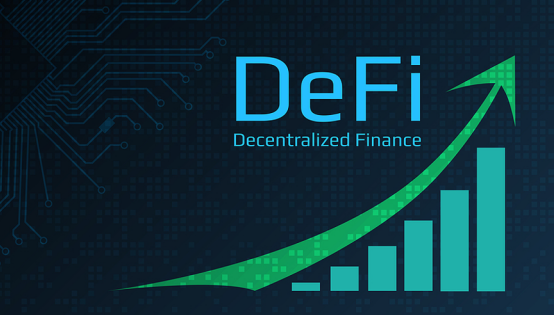
Decentralized finance, commonly referred to as DeFi, represents a groundbreaking shift in the way financial services are structured, utilized, and regulated. It is a term that encompasses a variety of financial applications in cryptocurrency or blockchain geared toward disrupting traditional financial intermediaries. DeFi operates on blockchain technology, which ensures that transactions are securely recorded, transparently verified, and collectively maintained, eliminating the need for a central authority.
The fundamental principles of DeFi include decentralization, transparency, and accessibility. Unlike traditional finance, which relies on centralized institutions like banks and payment processors, DeFi platforms function through decentralized networks. These platforms utilize smart contracts—self-executing contracts with the agreement terms directly written into code—to automate and enforce financial transactions without intermediaries. This shift not only reduces costs associated with traditional finance but also increases the speed and efficiency of transactions.
Moreover, DeFi aims to create an inclusive financial ecosystem where individuals have complete control over their assets. This contrasts sharply with the traditional financial system, where individuals must trust institutional entities that often impose limitations and constraints on access to services. DeFi projects enable peer-to-peer transactions, open lending and borrowing markets, and decentralized exchanges—all of which enhance financial autonomy.
It is crucial to recognize the role of blockchain technology as the backbone of DeFi. By leveraging the characteristics of blockchain—such as immutability, security, and transparency—DeFi applications can provide a more reliable alternative to traditional financial systems. As the DeFi ecosystem continues to evolve, it holds immense potential to democratize financial services, allowing users from varying backgrounds to participate in the global economy.
Key Components of DeFi
Decentralized Finance, commonly referred to as DeFi, is an innovative sector that utilizes blockchain technology to recreate traditional financial systems in a decentralized manner. At its core, DeFi comprises several critical components that facilitate its ecosystem.
One of the foundational elements of DeFi is cryptocurrencies. These digital currencies, such as Bitcoin and Ethereum, serve as the primary medium of exchange within the DeFi framework. Their decentralized nature allows users to conduct transactions without relying on central authorities, thereby promoting financial autonomy.
Another key component is smart contracts. These are self-executing contracts with the terms directly written into code. Smart contracts automate and enforce agreements without the need for intermediaries, thus streamlining processes ranging from lending to insurance. By reducing operational costs and increasing transparency, smart contracts enhance the efficiency of DeFi platforms.
Decentralized exchanges (DEXs) play a crucial role in facilitating peer-to-peer transactions of cryptocurrencies. Unlike traditional exchanges, DEXs eliminate the need for a centralized operator, providing users with greater control over their assets. Users can trade directly from their wallets, improving security and mitigating risks associated with centralized trading platforms.
Lending platforms are another significant aspect of DeFi. These platforms allow users to lend and borrow cryptocurrencies, often with attractive interest rates. By connecting borrowers and lenders directly, they remove traditional banking intermediaries, democratizing access to capital and enhancing liquidity within the DeFi landscape.
Lastly, stablecoins are vital in providing stability to the otherwise volatile cryptocurrency market. These digital assets are pegged to stable reserves, such as fiat currencies or commodities, facilitating easier transactions and broader adoption in the DeFi space. Their inherent stability helps to mitigate risks associated with price fluctuations, thereby encouraging usage in DeFi applications.
In conclusion, the DeFi ecosystem is built upon these essential components—cryptocurrencies, smart contracts, decentralized exchanges, lending platforms, and stablecoins— each playing a pivotal role in promoting a more inclusive and accessible financial system.
Benefits of Decentralized Finance
Decentralized Finance (DeFi) has emerged as a significant alternative to traditional financial systems, presenting numerous advantages that cater to a modern, digital economy. One of the primary benefits of DeFi is increased accessibility. Unlike conventional banking systems, which often impose strict guidelines and requirements for opening accounts, DeFi platforms typically permit anyone with an internet connection to engage in financial services. This inclusivity fosters financial participation among individuals who may have been excluded from traditional banking due to various factors, such as geographic location or socioeconomic status.
Transparency is another hallmark of DeFi that distinguishes it from traditional finance. Most DeFi applications are built on blockchain technology, which inherently promotes transparency. Transactions are recorded on public ledgers, allowing users to verify transactions independently. This level of transparency not only builds trust among users but also enhances accountability within the financial ecosystem, minimizing the risk of fraud and mismanagement.
Lower fees associated with DeFi transactions represent a further advantage. Traditional financial institutions frequently charge substantial fees for a variety of services, including money transfers and account maintenance. In contrast, DeFi platforms often feature lower transaction costs due to the absence of intermediaries. This reduction in fees can lead to substantial savings for users and make financial services more affordable, particularly for smaller transactions.
Another significant advantage of DeFi is the opportunity to earn interest on digital assets. Users can lend their cryptocurrencies on DeFi platforms, thus earning interest that is usually higher compared to traditional savings accounts. This feature encourages users to leverage their digital assets for enhanced financial returns, expanding their economic opportunities.
Moreover, DeFi empowers individuals by granting them greater control over their personal finances. Users are often able to manage their assets without relying on third parties, which minimizes the risks associated with entrusting funds to traditional financial institutions. By enabling direct control over their financial transactions and investments, DeFi enhances user autonomy in managing personal resources.
Common Use Cases of DeFi
Decentralized Finance, often referred to as DeFi, has rapidly transformed financial interactions by leveraging blockchain technology to create transparent, permissionless systems. Among the most notable applications of DeFi are borrowing and lending protocols, yield farming, staking, and trading on decentralized exchanges.
In borrowing and lending, platforms such as Aave and Compound allow users to lend their assets and earn interest, while borrowers can obtain loans without traditional credit checks. This application democratizes access to capital, enabling individuals and businesses to secure funding more efficiently than ever. For instance, a user can deposit Ethereum in a lending pool and, in return, receive a stablecoin that can be used elsewhere in the ecosystem.
Yield farming is another prevalent use case in the DeFi sphere, where users provide liquidity to decentralized pools in exchange for rewards. This process incentivizes participants to lock their assets for a certain period, contributing to the overall liquidity of the network. For example, protocols like Yearn Finance aggregate different yield farming opportunities, allowing users to automatically optimize their earnings across multiple platforms, maximizing the potential return on investment.
Staking is closely associated with many DeFi protocols, enabling holders of specific tokens to earn rewards by securing the network or participating in governance. By locking their tokens in a stake, users contribute to the protocol’s operation and receive additional coins as rewards. This functionality promotes community involvement while ensuring network stability.
Finally, decentralized exchanges (DEXs) such as Uniswap and SushiSwap facilitate trading without intermediaries. Users can swap tokens directly from their wallets, accessing various liquidity pools while maintaining control over their assets. These platforms have significantly altered the landscape of cryptocurrency trading by offering innovative solutions like automated market making.
Risks and Challenges in DeFi
Decentralized Finance (DeFi) has emerged as a transformative force in the financial landscape, yet it is not without its potential risks and challenges. One of the foremost concerns is the vulnerability of smart contracts, which are self-executing contracts with the terms of the agreement directly written into code. These contracts, while allowing for trustless transactions, can harbor bugs and security flaws that may be exploited, resulting in significant financial losses for users.
Market volatility represents another crucial challenge in the DeFi ecosystem. The assets traded within DeFi platforms often experience extreme price fluctuations, influenced by factors such as speculative trading and the burgeoning nature of the projects involved. Such volatility can lead to liquidity risks, where users may find it difficult to liquidate positions without incurring severe losses.
Regulatory concerns are also paramount, as DeFi operates in a largely unregulated territory. Financial regulators around the world are still formulating their approaches to cryptocurrencies and DeFi markets. Potential regulatory changes could impact operations, leading to uncertainty and risk for investors. Users must stay informed about the evolving legislative landscape, as failure to comply with new regulations may expose them to legal repercussions.
Furthermore, the learning curve for new users wishing to engage with DeFi can be steep. The complexity of decentralized platforms and the requisite technical knowledge can be barriers to entry for individuals who are less technologically savvy. This lack of familiarity can hinder effective participation in the DeFi space and expose users to mistakes that may result in financial loss.
Recognizing these risks is crucial for anyone interested in exploring DeFi. By understanding the potential vulnerabilities, market dynamics, regulatory frameworks, and the importance of user education, participants can better equip themselves to navigate this innovative yet unpredictable financial environment.
How to Get Started with DeFi
The decentralized finance (DeFi) ecosystem offers a variety of financial services that operate without the need for traditional intermediaries. For newcomers looking to engage with DeFi, understanding the essential steps is crucial for navigating this complex landscape.
Firstly, the initial step for new participants is to set up a digital wallet. A wallet serves as a secure means to store cryptocurrencies and interact with DeFi protocols. There are several types of wallets available, including hardware, software, and mobile wallets. Hardware wallets, known for their enhanced security, are often recommended for long-term storage. In contrast, software wallets are user-friendly and can be easily accessed on smartphones and computers.
Once an appropriate wallet is chosen and set up, users should acquire cryptocurrencies to interact with DeFi platforms. Most DeFi services operate on Ethereum, so acquiring Ether (ETH) is typically the first step. Users can purchase ETH through various exchanges, converting traditional fiat currency into cryptocurrency. After obtaining crypto assets, they can transfer these to their digital wallet.
Next, participants need to familiarize themselves with different DeFi platforms. Popular choices include decentralized exchanges (DEXs) such as Uniswap and lending platforms like Aave or Compound. Each platform offers unique functionalities, including trading, staking, and lending, allowing users to earn interest on their assets or provide liquidity for trading. Evaluating the features and reliability of each platform is essential before committing funds.
Security should also be of paramount importance. Users must be vigilant about safeguarding their private keys and seed phrases, as losing them could result in irreversible loss of assets. Employing two-factor authentication where possible and conducting thorough research on the platforms used can mitigate security risks. Additionally, staying informed about the latest security practices within the DeFi space can protect users from potential threats.
By following these guidelines, newcomers can safely and confidently navigate the world of DeFi, taking advantage of the opportunities it presents while understanding the associated risks.
Future of Decentralized Finance
The future of Decentralized Finance (DeFi) holds immense potential for reshaping the financial landscape as we know it today. Emerging trends and innovations within the DeFi ecosystem are expected to play a significant role in how financial services are delivered and accessed. Continued advancements in blockchain technology, smart contracts, and interoperability among various platforms will likely enhance the accessibility and efficiency of decentralized services.
One significant trend is the rising interest from institutional investors. As more traditional financial institutions explore and adopt DeFi products and services, the legitimacy and stability of the DeFi sector could be greatly improved. This institutional adoption may bring about increased regulation, which could either hinder or boost the growth of DeFi depending on how these regulations are structured. Institutions entering the space could drive innovation, bringing additional liquidity, capital, and expertise necessary for scaling decentralized applications.
Moreover, innovations such as automated market makers (AMMs), yield farming, and lending protocols are expected to evolve, offering users novel ways to engage with their assets. The integration of DeFi products with traditional financial systems could create hybrid models that leverage the benefits of both domains. This could include the development of wrapped tokens that allow asset transfers between ecosystems seamlessly, thus enhancing usability and expanding user bases.
Furthermore, the rise of decentralized autonomous organizations (DAOs) may redefine governance structures within DeFi, enabling more democratic participation in protocol decisions. As the DeFi space continues to mature, there will be an increasing focus on security, user experience, and compliance measures to mitigate risks associated with the high volatility and maturity of the sector. Ultimately, the future of DeFi is poised for transformation, with significant implications for both individual users and the broader financial markets.
Comparing DeFi to Traditional Finance
The emergence of Decentralized Finance (DeFi) has prompted a critical examination of its distinctions from traditional finance. At its core, traditional finance is governed by centralized institutions, including banks and financial intermediaries, which manage transactions and customer relationships. In contrast, DeFi leverages blockchain technology to eliminate these intermediaries, allowing peer-to-peer transactions.
One of the most significant differences between DeFi and traditional finance lies in accessibility. Traditional finance often requires users to adhere to stringent regulations and provide extensive documentation to open accounts or access services. DeFi, however, operates on a permissionless basis, enabling anyone with an internet connection to participate. This inclusive nature has the potential to democratize financial services, allowing underserved populations to access financial systems that were previously out of reach.
User experience also diverges between these two financial paradigms. Traditional financial systems, while often viewed as user-friendly, can be laden with bureaucratic processes that slow down transactions and hinder customer satisfaction. DeFi platforms, built on smart contracts, aim to simplify user interactions by accelerating transaction speeds and reducing costs, thus enhancing the overall experience. However, they may also pose challenges for less tech-savvy individuals, as navigating blockchain networks requires a certain degree of digital literacy.
Furthermore, the potential for innovation presents another key distinction. Traditional finance has a historical focus on stability and risk management, leading to slower adoption of new technologies and innovations. Conversely, DeFi is designed to foster rapid experimentation and development, with developers continuously introducing novel financial products and services. This dynamic environment encourages innovation that could revolutionize how individuals interact with and perceive financial systems.
In summary, while traditional finance offers stability and familiarity, DeFi stands out due to its accessibility, user experience design, and potential for groundbreaking innovation. These differences not only highlight the unique value proposition of DeFi but also suggest a future where both systems may coexist and evolve together in a changing financial landscape.
Conclusion: The Significance of DeFi in Modern Finance
Decentralized Finance, commonly referred to as DeFi, has emerged as a transformative force within the financial ecosystem. This innovative financial structure leverages blockchain technology to provide more inclusive, accessible, and transparent financial services. As we have explored throughout this blog post, DeFi aims to eliminate intermediaries, thus reducing costs and increasing the efficiency of financial transactions.
The key function of DeFi is to democratize financial services, enabling users to participate in lending, borrowing, and trading without traditional barriers. This shift is significant, as it allows users from various backgrounds and regions to access financial products that were previously unavailable to them. The advent of decentralized applications (DApps) has further expanded the capabilities of DeFi, allowing for the development of new financial instruments and innovative services.
As the DeFi landscape continues to evolve, it is crucial for both seasoned investors and newcomers to stay informed about the latest trends and updates. Engaging with educational resources and following market developments can help individuals navigate the complexities of this fast-paced environment. Furthermore, understanding the risks associated with DeFi, such as security vulnerabilities and regulatory challenges, is essential for making informed decisions.In conclusion, the significance of DeFi in modern finance cannot be overstated. Its potential to reshape the financial landscape offers numerous opportunities, but it also necessitates a proactive approach to education and adaptability in response to ongoing changes. By remaining engaged with DeFi advancements, individuals can better capitalize on the emerging financial possibilities that this decentralized approach promises.