





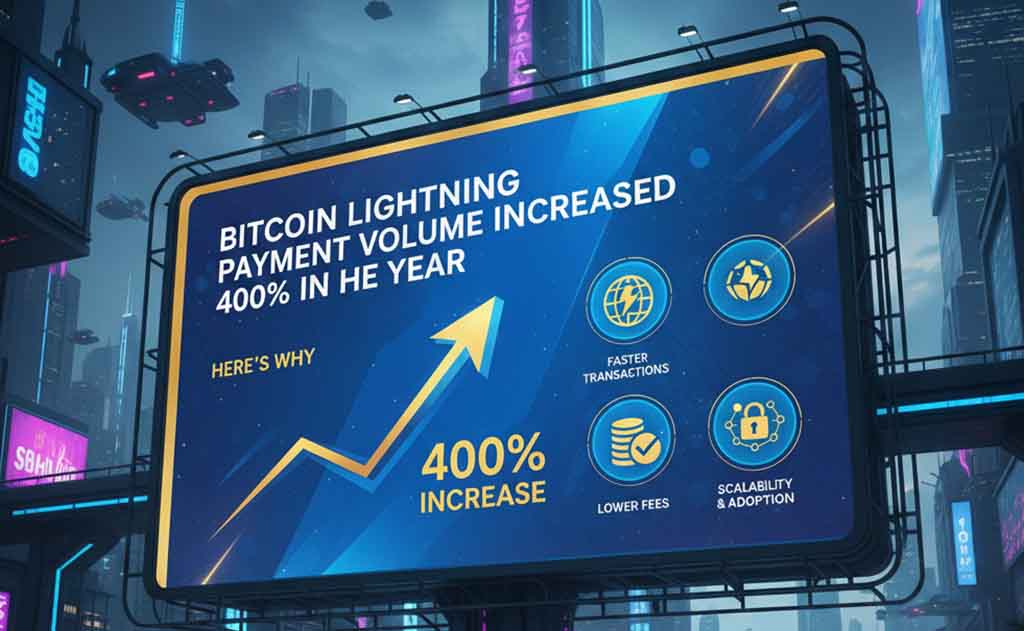
Bitcoin has been making waves in the financial world since its inception, but it’s the Lightning Network that’s stealing the spotlight right now. With a staggering 400% increase in payment volume over the past year, this second-layer protocol is revolutionizing how we think about cryptocurrency transactions. Imagine sending and receiving Bitcoin almost instantly, with minimal fees—sounds too good to be true? Well, it’s happening right before our eyes. As more people discover the advantages of Bitcoin Lightning, understanding what it is and why it matters becomes essential for anyone interested in digital currencies. Let’s dive into this game-changing technology and explore its rapid growth, benefits, challenges, real-world applications, and what lies ahead for Bitcoin Lightning payments.
What is Bitcoin Lightning?
Bitcoin Lightning is a layer-2 solution designed to enhance the Bitcoin network’s scalability. It allows for quicker and cheaper transactions by enabling off-chain payments. This means users can make multiple transactions without needing to record each one on the blockchain.
The Lightning Network operates through payment channels, which are two-way paths between parties. Once these channels are established, participants can transact freely with minimal fees and instantaneous confirmations.
By only settling the final result on the blockchain, it significantly reduces congestion. Users no longer have to wait for blocks to be mined before completing their transactions.
This innovative approach makes microtransactions feasible, unlocking new possibilities for online commerce and everyday purchases in cryptocurrencies. As more businesses adopt this technology, its potential continues to grow exponentially across various sectors.
The Growth of Lightning Payment Volume
The Bitcoin Lightning Network has experienced an astonishing surge in payment volume, skyrocketing by 400% over the past year. This remarkable growth reflects a shift in how people think about and use cryptocurrencies for everyday transactions.
As more users embrace digital currencies, the need for faster and cheaper transaction methods has become imperative. Lightning offers just that—enabling near-instant payments at minimal fees.
Merchants are increasingly adopting this technology to enhance customer experiences. With lower costs and quicker processing times, businesses see clear advantages in using Lightning for microtransactions.
Furthermore, as larger entities begin to integrate with the network, it fosters greater confidence among users. The momentum is building; many anticipate even broader adoption as awareness grows about its capabilities and benefits.
This rapid increase suggests a growing acceptance of cryptocurrency solutions within mainstream commerce sectors.
Benefits of Using Bitcoin Lightning
Bitcoin Lightning offers several advantages that enhance the cryptocurrency experience.
One of the most significant benefits is speed. Traditional Bitcoin transactions can take minutes, if not longer, to confirm on the blockchain. In contrast, Lightning allows for nearly instant payment processing. This efficiency is crucial for businesses and consumers alike.
Additionally, transaction fees are notably lower with Lightning payments. As more users adopt this technology, costs can decrease even further. This affordability makes microtransactions feasible—something traditional methods struggle with.
Security also plays a vital role in its appeal. Transactions remain secure while allowing users to retain control over their funds without needing a third party.
Using Bitcoin Lightning promotes greater adoption of cryptocurrencies in everyday transactions by making it easier and more practical for merchants to accept digital currencies as payment options.
Challenges and Criticisms of Lightning Payments
Despite its rapid growth, Bitcoin Lightning is not without challenges. One significant concern is the complexity of use. For newcomers, navigating this technology can be daunting. Many still find it difficult to understand how payments work on a layer-2 solution.
Another issue relates to liquidity. Users need sufficient funds in their payment channels for transactions to go through seamlessly. If a channel runs dry, users must either wait or open new channels, which adds friction.
Security also remains a hot topic. While transactions are faster and cheaper, they can expose users to unique vulnerabilities like routing issues and potential scams.
Moreover, some critics highlight the centralization risk within the network. A concentration of nodes could undermine decentralization principles that underpin Bitcoin itself.
These factors create an ongoing debate about whether Lightning can truly fulfill its promise as an efficient payment alternative in the cryptocurrency landscape.
Real-World Applications and Examples
Bitcoin Lightning is making waves across various industries, bringing new possibilities to everyday transactions.
For instance, businesses in the gaming sector are leveraging Lightning payments for instant micropayments. Gamers can make small purchases in real-time without lengthy confirmation waits.
Another fascinating application is in coffee shops and eateries. Some establishments now accept Bitcoin via Lightning, allowing patrons to pay seamlessly with just a tap on their smartphones.
Moreover, charitable organizations are exploring this technology for donations. With low fees and immediate confirmations, funds reach recipients faster than traditional methods.
Even content creators like musicians and artists benefit from Lightning by enabling fans to send tips directly during live streams or performances. This direct engagement fosters stronger relationships between creators and their audiences.
As adoption grows, more innovative uses will likely emerge within both established sectors and new markets.
Future Predictions for Bitcoin Lightning
As we look ahead, the Bitcoin Lightning Network is poised for significant expansion. With increased adoption among merchants and users alike, more businesses are likely to integrate this technology into their payment systems.
Developers continue to innovate, enhancing security features and scalability solutions. This ongoing improvement could make transactions faster and more reliable.
Moreover, governments may start recognizing the utility of Lightning payments in promoting economic inclusivity. Increased regulatory clarity can pave the way for broader acceptance across various sectors.
Emerging markets stand to benefit greatly from lower transaction fees and quicker settlements. As these regions adopt cryptocurrency solutions, they may drive substantial growth in Lightning usage.
The future also hints at potential partnerships with existing financial institutions. This collaboration could bridge traditional finance with decentralized technologies, creating a hybrid environment that fosters innovation.
Conclusion
The growth of Bitcoin Lightning payments is a testament to the evolving landscape of digital transactions. With its impressive 400% increase in volume over just one year, it’s clear that more users and businesses are recognizing its potential.
As adoption continues, the benefits become increasingly apparent. Speedy transactions and lower fees transform how people think about using cryptocurrency for everyday purchases.
However, challenges remain on the horizon. Technical issues and criticisms regarding security need addressing to further enhance user trust.
Real-world applications show promise as well; from coffee shops accepting Lightning payments to online retailers integrating this technology into their checkout processes, momentum grows steadily.
Looking ahead, many experts predict continued expansion for Bitcoin Lightning. Enhanced scalability solutions could pave the way for even broader acceptance across various industries.
With all these factors at play, it’s fascinating to watch how Bitcoin Lightning will shape future financial interactions and influence our relationship with money itself.