





Introduction to Bitcoin and its Volatility
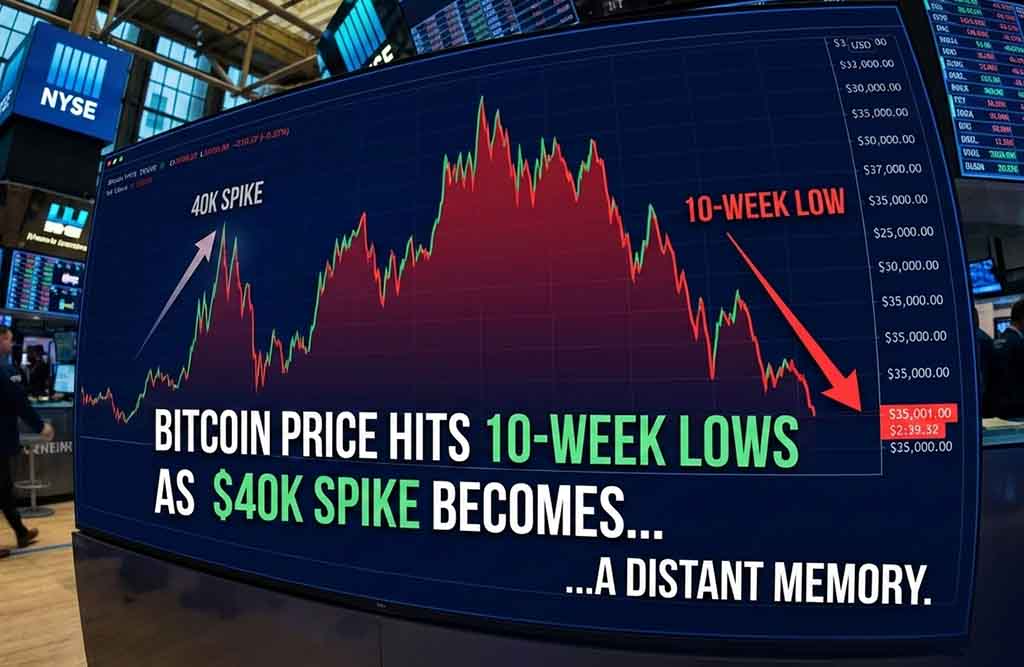
Bitcoin has always been a rollercoaster ride, captivating the attention of investors and casual observers alike. With its meteoric rises and steep falls, it’s no wonder that cryptocurrency enthusiasts are perpetually on edge. Recently, Bitcoin’s price took a significant dip, hitting 10-week lows after an exhilarating spike to $40K. This latest downturn has raised eyebrows across the financial landscape.
What causes this extreme volatility? Is it just another phase in the unpredictable world of crypto? As traders scramble to make sense of market shifts, many are left wondering how these fluctuations affect their investments and what lies ahead for Bitcoin. Let’s delve into the factors behind this recent price drop and explore expert predictions as we navigate through this turbulent terrain together.
Factors Contributing to the Price Drop
Several elements have converged to drive Bitcoin’s price downwards. Regulatory scrutiny has intensified across various countries, creating uncertainty for investors. Many fear stricter regulations could hinder the cryptocurrency market’s growth.
Market sentiment plays a crucial role as well. Recent negative news and fears of rising inflation have left many traders feeling anxious. This anxiety can lead to panic selling, further exacerbating price drops.
Additionally, high-profile liquidations in leveraged trading platforms added fuel to the fire. As these trades were unwound, it created a cascading effect that sent prices plunging even lower.
Macroeconomic factors can’t be overlooked. Global economic instability often influences speculative investments like Bitcoin, causing volatility that leaves buyers hesitant and sellers eager to offload their assets before more losses occur.
Impact on Investors and Traders
The recent dip in Bitcoin’s price has sent shockwaves through the investment community. For many traders, it sparks anxiety and uncertainty about their positions. Holding assets that lose value can be disheartening.
For long-term investors, this downturn may present a buying opportunity. Some see potential where others fear loss. They might choose to accumulate more coins at these lower prices, hoping for future gains when market conditions improve.
Short-term traders face different challenges. The volatility can lead to quick profits or losses in rapid succession. Strategies need constant adjustment as market sentiments shift daily.
Moreover, psychological impacts play a significant role. Panic selling can exacerbate price drops while fear of missing out (FOMO) often drives irrational decisions during spikes and drops alike. Investors must keep emotions in check amid such turbulence to navigate these waters wisely.
Experts’ Predictions for Future Prices
Market analysts are voicing a mix of caution and optimism regarding Bitcoin’s future. Some predict that recent price dips could lead to a resurgence as institutional interest remains strong.
On the other hand, skeptics warn that regulatory challenges might keep prices in check. They emphasize the potential for increased scrutiny worldwide, which can create uncertainty among investors.
Several experts highlight technological advancements within the blockchain space as catalysts for growth. Enhanced scalability and transaction speed may attract more users to Bitcoin, thereby driving up demand.
Moreover, many believe that macroeconomic factors will play a significant role moving forward. Inflationary pressures could push more individuals toward cryptocurrencies as alternative stores of value.
Predictions vary widely based on differing analyses of market conditions and investor sentiment. As always with Bitcoin, volatility is likely to remain part of its character as it navigates through these unpredictable waters.
Strategies for Dealing with Price Fluctuations
Navigating Bitcoin’s price swings requires a solid strategy. One effective approach is dollar-cost averaging (DCA). By investing a fixed amount regularly, you can minimize the impact of volatility over time.
Another tactic involves setting stop-loss orders. This allows you to limit potential losses by automatically selling your assets when they drop to a certain price. It provides peace of mind during turbulent markets.
Stay informed about market trends and news that could affect prices. Knowledge is power in crypto trading. Utilize analytical tools to track movements and patterns as well.
Diversification also plays a crucial role. Spreading investments across various cryptocurrencies or other asset classes can reduce risk significantly while capitalizing on different growth opportunities.
Maintain an emotional distance from your investments. Fear and greed often lead to poor decision-making during volatile periods, so keeping a level head is essential for success in the long run.
Long-term Outlook for Bitcoin
Bitcoin’s long-term outlook remains a topic of intense debate among experts and enthusiasts alike. While the recent price drop has raised concerns, many analysts believe that Bitcoin’s fundamentals remain strong.
The increasing adoption of cryptocurrencies by institutional investors suggests that there is significant interest in Bitcoin as a digital asset. As more companies integrate blockchain technology, this could further solidify Bitcoin’s position in the financial landscape.
Regulatory clarity may also play a crucial role in shaping its future. Clear guidelines can enhance investor confidence and encourage broader participation in the market.
Moreover, innovations such as layer-2 solutions aim to improve scalability and transaction speed. This technological advancement could attract new users seeking efficient alternatives for conducting transactions.
While short-term volatility is likely to persist, the potential for substantial growth over time continues to capture attention from various sectors of society.
Conclusion
Bitcoin has always been synonymous with volatility. Price spikes and dramatic drops are part of its DNA. Investors have learned to navigate this unpredictable landscape, but the recent dip to 10-week lows after a brief surge past $40K caught many off guard.
Several factors contributed to this price drop. Market sentiment shifted rapidly due to regulatory news, shifting economic conditions, and profit-taking by traders who had enjoyed previous gains. Each piece of news can send shockwaves through an already jittery market.
For investors and traders alike, these fluctuations create both challenges and opportunities. Those who jumped in during the spike may feel uneasy now as their assets decline in value. On the other hand, seasoned investors often see dips as buying opportunities rather than reasons for panic.
Experts remain divided on where Bitcoin is headed next. Some predict a swift recovery while others caution that further declines could be on the horizon before stabilization occurs again. This uncertainty adds another layer of complexity for those involved in cryptocurrency trading.
Adopting solid strategies can help individuals manage risk effectively during such unpredictable times. Setting clear entry and exit points or utilizing stop-loss orders might provide some protection against sudden downturns while allowing room for potential upsides when prices rebound.
Looking ahead, Bitcoin’s long-term outlook remains intriguing despite short-term turmoil. Institutional interest continues growing alongside technological advancements like blockchain integration into various sectors which could drive future demand higher.
As always with cryptocurrencies, vigilance is key—keeping informed about market trends will enable better decision-making amidst frequent price changes.