




Introduction to Blockchain Technology
Imagine a world where every diamond tells its own story. Where consumers can trace the journey of their precious gem from mine to market, ensuring authenticity and ethical sourcing. This isn’t just wishful thinking; it’s becoming a reality thanks to blockchain technology. As industries adapt to meet growing demands for transparency and accountability, the diamond sector is stepping up its game.
Blockchain — often associated with cryptocurrencies — offers much more than that. It has the potential to reshape how we view ownership and provenance in various sectors, including luxury goods like diamonds. For an industry plagued by issues of conflict stones and lack of trust, this innovative solution might just be what it needs.
Let’s delve into how blockchain can revolutionize diamond production and why De Beers is taking the lead in adopting this transformative technology.
The Current Issues in the Diamond Industry
The diamond industry faces significant challenges today. One major concern is the prevalence of conflict diamonds, which are mined in war zones and sold to fund violence. This issue tarnishes the reputation of legitimate producers.
Additionally, transparency remains a critical problem. Consumers often find it difficult to trace the origin of their diamonds. Without clear information, buyers may unknowingly support unethical practices.
Environmental impact is another pressing issue. Diamond mining can lead to habitat destruction and pollution, raising concerns among eco-conscious consumers.
Synthetic diamonds have entered the market as a competitive alternative. While they offer ethical benefits, they also create confusion regarding value and authenticity for buyers seeking genuine natural stones.
How Blockchain Technology Can Revolutionize Diamond Production
Blockchain technology offers unprecedented transparency in the diamond industry. Each stone can be traced from mine to market, ensuring authenticity and ethical sourcing. This traceability builds trust between consumers and producers.
Smart contracts streamline transactions, eliminating intermediaries and reducing costs. They automatically execute agreements when conditions are met, increasing efficiency across supply chains.
A decentralized ledger records every transaction securely. This means that once a diamond is logged into the system, its history remains immutable. Buyers can verify claims about origin and quality without relying on potentially biased third parties.
Additionally, blockchain prevents fraud by providing proof of ownership through digital certificates linked to each gem. This innovation empowers consumers with information while holding companies accountable for their practices.
As more stakeholders adopt this technology, we could see a shift towards sustainable mining methods driven by consumer demand for responsible luxury goods.
De Beers’ Adoption of Blockchain Technology
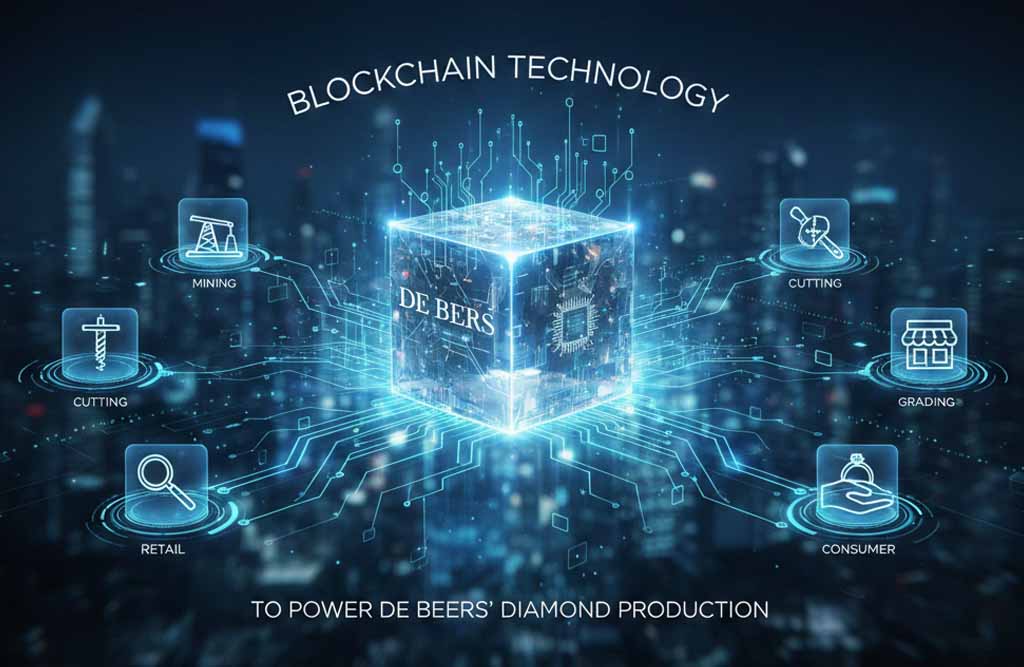
De Beers, a giant in the diamond industry, has taken a bold step into the world of blockchain technology. By launching its initiative called Tracr, De Beers aims to enhance transparency and traceability within its supply chain.
The platform allows each diamond to be tracked from the mine to the retailer. This ensures that consumers can verify their gems’ authenticity and ethical sourcing. With growing concerns over conflict diamonds, this innovation is timely.
Tracr leverages smart contracts for secure transactions and data integrity. It not only protects against fraud but also builds trust with customers who prioritize ethical practices.
As more stakeholders adopt this technology, it could reshape industry standards globally. De Beers’ move signals a shift towards greater accountability in an age where consumers demand more than just beauty in their purchases.
The Benefits of Using Blockchain in the Diamond Industry
Blockchain technology brings transparency to the diamond industry. Each stone can be tracked from mine to market, ensuring its origins are clear and ethical. This traceability reduces the risk of conflict diamonds entering the supply chain.
Additionally, blockchain enhances trust among consumers. Shoppers increasingly demand proof that their purchases support fair practices. A reliable digital ledger provides just that.
Moreover, efficiency improves significantly with this tech. Transactions become faster and more secure, minimizing fraud risks while simplifying processes for all stakeholders involved—miners, manufacturers, retailers, and customers alike.
Cost savings also play a vital role in adopting blockchain solutions. By streamlining operations and reducing paperwork errors, companies can allocate resources more effectively.
Data security is paramount in today’s digital age. Blockchain offers an immutable record of transactions that withstands tampering attempts—a crucial feature for maintaining integrity within the diamond trade.
Potential Challenges and Limitations
While blockchain technology presents numerous advantages for the diamond industry, it isn’t without its challenges. One major concern is scalability. As consumer demand grows, the system must efficiently handle a vast amount of transactions and data.
Another challenge lies in adoption. Not every player in the diamond supply chain may be willing or able to embrace this technology. Smaller businesses might struggle with integration costs and technical know-how, creating a divide between large corporations and smaller entities.
Additionally, ensuring data accuracy is crucial. If any information entered into the blockchain is incorrect or misleading, it can compromise transparency efforts.
Regulatory hurdles could impede progress as governments grapple with how to classify and manage blockchain systems in existing legal frameworks. The path forward requires careful navigation of these complexities for effective implementation.
Conclusion and Future Implications
The integration of blockchain technology in the diamond industry presents a compelling shift towards transparency and accountability. With major players like De Beers leading the charge, this innovation could redefine how diamonds are sourced, traced, and valued.
As consumers become increasingly aware of ethical sourcing practices, companies that leverage blockchain will likely experience enhanced trust from their customers. This trust can translate into brand loyalty and potentially higher sales as buyers seek out ethically sourced gems.
However, the journey isn’t without hurdles. The transition to fully adopting blockchain faces technical challenges and requires collaboration across various stakeholders in the supply chain. Ensuring everyone is on board with such a significant change will take time and effort.
Looking ahead, if these challenges can be navigated successfully, we may see a more sustainable future for diamond production—one rooted in authenticity and responsibility. As initiatives grow and evolve, they hold promise not just for gemstones but as models for other industries seeking similar transformations through technology-driven solutions.