




Introduction to Stablecoins
Stablecoins have emerged as a game changer in the world of cryptocurrency. They offer a unique blend of stability and utility, attracting both seasoned investors and newcomers alike. As digital currencies continue to gain traction, the focus on stablecoins has intensified—especially with their potential to bridge the gap between traditional finance and decentralized systems.
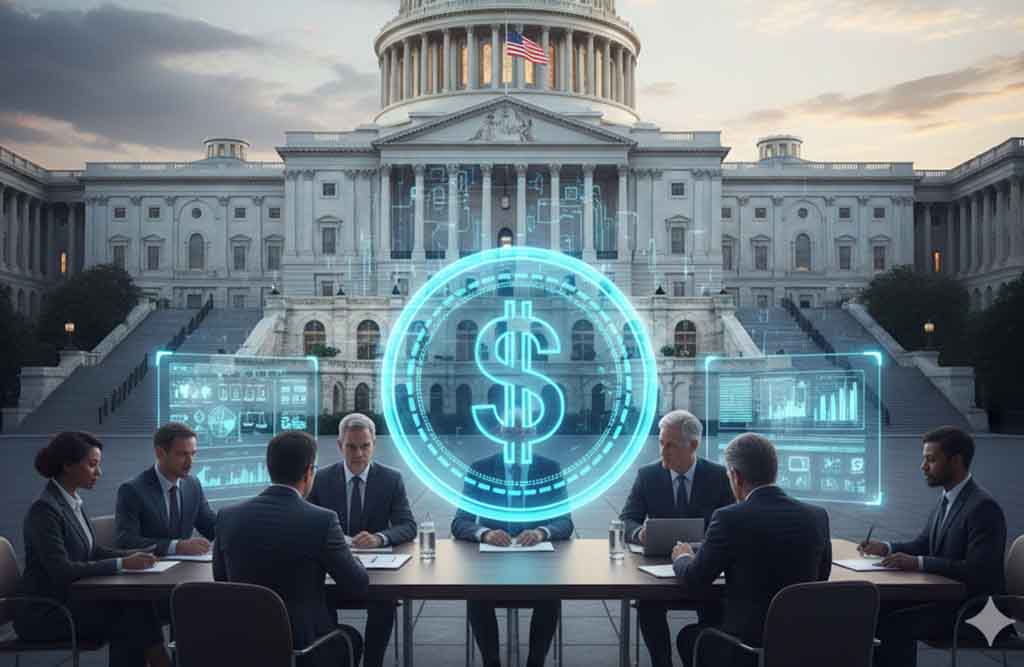
With regulatory scrutiny on the rise, understanding stablecoins becomes increasingly crucial for anyone involved in the crypto space. What exactly makes these coins so appealing? And why are U.S. regulators now turning their gaze toward this innovative financial instrument? Dive into this exploration of stablecoin regulation, where we unravel its complexities and implications for the future of finance in America.
The Rise of Stablecoins in the Cryptocurrency Market
Stablecoins have surged in popularity within the cryptocurrency landscape. Unlike traditional cryptocurrencies, they aim to maintain a stable value by pegging themselves to fiat currencies or commodities.
This stability has attracted investors seeking refuge from the volatility typical of other digital assets. Many view stablecoins as a bridge between traditional finance and the burgeoning world of cryptocurrencies.
Innovative projects like Tether (USDT) and USD Coin (USDC) have emerged at the forefront, offering unique features and benefits. Their ability to facilitate quick transactions without significant price fluctuations makes them attractive for both everyday users and institutional investors.
The rise of decentralized finance (DeFi) has further fueled demand for stablecoins. As more platforms incorporate these digital assets, their role in enhancing liquidity and executing smart contracts becomes increasingly vital.
As a result, stablecoins are reshaping how we think about money in our digital age. They represent not just an investment vehicle but also a new form of currency with practical applications across various sectors.
Potential Benefits and Risks of Stablecoins
Stablecoins offer several potential benefits that attract users and investors. Their value is typically pegged to stable assets like the U. S. dollar, making them less volatile than traditional cryptocurrencies. This stability can encourage broader adoption for day-to-day transactions.
Moreover, stablecoins facilitate quicker and cheaper cross-border payments compared to conventional banking systems. They enable individuals in underbanked regions access to financial services, fostering inclusion.
However, risks are inherent in their structure as well. The backing of these coins may not always be transparent or secure, raising concerns about solvency. Regulatory scrutiny can also impact their functionality and market acceptance.
Additionally, reliance on a centralized issuer could expose users to systemic risks should the entity fail or face legal issues. Despite their advantages, understanding these challenges is crucial for anyone engaging with stablecoin ecosystems.
Current State of Stablecoin Regulation in the U.S
The current landscape of stablecoin regulation in the United States is rapidly evolving. As digital currencies gain traction, regulatory bodies are taking a closer look at how to manage these assets effectively.
Federal and state agencies have expressed concerns about consumer protection and financial stability. The lack of clear guidelines has created uncertainty for issuers and users alike.
Some lawmakers advocate for comprehensive regulations that would establish standards for transparency, reserves, and audits. Others worry that stringent rules could stifle innovation in the crypto space.
Meanwhile, discussions within Congress focus on potential frameworks to balance risk management with growth opportunities. This ongoing dialogue highlights the complexities involved in creating a cohesive regulatory environment for stablecoins.
As various stakeholders push for clarity, it remains to be seen how these developments will shape the future of stablecoins in America’s financial ecosystem.
Recent Actions taken by U.S. Regulators
U.S. regulators have stepped up their scrutiny of stablecoins in recent months. The heightened focus reflects growing concerns over the potential risks these digital assets pose to the financial system.
The Treasury Department has initiated discussions on guidelines for stablecoin issuers. They aim to ensure that these entities maintain adequate reserves and transparency in their operations.
Additionally, the Securities and Exchange Commission (SEC) is exploring how existing securities laws apply to certain stablecoin offerings. This could reshape how these assets are classified and regulated moving forward.
Meanwhile, lawmakers are considering new legislation specifically targeting stablecoins. These proposals seek to clarify regulatory frameworks while balancing innovation with consumer protection.
As a result, companies involved in issuing or managing stablecoins are bracing for changes that may impact business practices significantly.
Potential Impact on the Cryptocurrency Market
The potential impact of stablecoin regulation on the cryptocurrency market is profound. As regulators establish clearer guidelines, investor confidence may grow. This could lead to increased institutional adoption, drawing in capital that has previously remained on the sidelines.
On the flip side, stricter regulations might stifle innovation. Startups creating new financial products or services reliant on stablecoins could face hurdles that slow their growth.
Market volatility could also shift as regulatory bodies impose compliance measures. Prices for cryptocurrencies might stabilize or fluctuate unpredictably during this transition period, affecting trading strategies across exchanges.
Moreover, clarity around stablecoin use can spur competition among issuers. Traditional banks and financial institutions may enter this space to offer regulated alternatives, potentially reshaping user preferences and behaviors within crypto markets.
As these developments unfold, all eyes will be on how they influence broader trends in digital finance and blockchain technology integration.
Future Outlook for Stablecoin Regulation in the U.S
The future of stablecoin regulation in the U.S. is likely to evolve rapidly. As digital currencies gain traction, regulators are expected to take a more proactive stance.
Anticipating clearer guidelines could foster innovation while ensuring consumer protection. This balance will be crucial for both startups and established financial entities looking to navigate the landscape.
Emerging technologies may also influence regulatory approaches. The integration of blockchain analytics tools may help monitor compliance effectively, making regulations easier to enforce.
Moreover, collaboration between government agencies and industry stakeholders seems essential. Engaging with the cryptocurrency community can lead to frameworks that address risks without stifling growth.
As global markets respond, U.S. regulators might find themselves under pressure from international counterparts striving for harmonized standards. This dynamic could shape how American policy develops in relation to stablecoins moving forward.
Conclusion
The landscape of stablecoin regulation in the United States is rapidly evolving. As regulators focus on this crucial segment of the cryptocurrency market, they aim to ensure consumer protection and financial stability. The actions taken by U.S. regulatory bodies could reshape how stablecoins operate and are perceived.
As we look ahead, it’s clear that a balanced approach will be essential. Regulators must navigate potential benefits while addressing associated risks effectively. The future may bring clearer guidelines that foster innovation without compromising safety.
Stablecoins hold immense promise for transforming payment systems and enhancing financial inclusion. How U.S. regulators proceed will significantly influence their development and adoption in the coming years.
With ongoing discussions about policy frameworks, it’s an exciting time for anyone involved or interested in cryptocurrencies and finance alike. Keeping a close watch on these developments will be key for stakeholders across the board—investors, developers, businesses, and consumers alike—all poised at this critical juncture.