




Introduction to NFTs and Their Evolution
Non-Fungible Tokens (NFTs) are a distinctive category of digital assets that represent ownership or proof of authenticity of a unique item or piece of content, secured on a blockchain. Unlike cryptocurrencies such as Bitcoin or Ethereum, which are fungible and can be traded equivalently, NFTs are unique and cannot be exchanged on a one-to-one basis. The concept of NFTs first emerged around 2017, with the launch of projects like Cryptokitties, which showcased the capability of blockchain to facilitate ownership of digital assets.
Initially gaining traction in the digital art world, NFTs provided artists with a new avenue to monetize their work while allowing collectors to own and trade exclusive digital pieces. This expansion quickly led to the exploration of NFTs across various sectors, including gaming, where in-game assets such as skins and characters could be bought, sold, and traded as NFTs. Furthermore, the music industry has begun to embrace this technology, allowing musicians to sell unique tracks or collectibles directly to fans, and other sectors such as real estate have also started integrating NFTs for property transactions.
Over the years, the NFT landscape has witnessed substantial growth in terms of creativity and innovation. Today, NFTs encompass a wide array of digital collectibles, virtual real estate, and even domain names, each serving distinct purposes and attracting varied communities of buyers and sellers. As technology continues to evolve, the potential applications for NFTs could expand even further, making it crucial for investors and collectors alike to stay informed about this dynamic market. By understanding the foundational characteristics and the evolution of NFTs, one can better assess their current standing and relevance in 2026.
Current State of the NFT Market in 2026
The non-fungible token (NFT) market has continued to evolve significantly as we enter 2026, showcasing various trends and shifts in user engagement, transaction volumes, and overall sentiment within the digital assets landscape. Recent reports indicate that the total volume of NFT transactions has grown steadily, reaching an impressive figure, which reflects both renewed interest from investors and increased participation from collectors.
Active user metrics are particularly noteworthy. In 2026, the number of active wallets engaging with NFTs shows a substantial increase compared to previous years, demonstrating a burgeoning community that extends beyond mere speculation into more complex use cases, such as digital ownership and rights management. This uptick in activity is underscored by various reports highlighting a diversification of the user base, moving beyond traditional crypto enthusiasts to include art collectors, gamers, and mainstream brands.
Furthermore, prominent platforms have successfully adapted to the evolving demands of users. Marketplaces such as OpenSea and Rarible have enhanced their user interfaces and integrated new features to improve the buying and selling experience. Notably, new entrants have emerged, offering innovative solutions and services that cater to specific niches within the NFT ecosystem. Additionally, developments in interoperability between different blockchains have expanded accessibility and liquidity in the NFT domain.
Regulatory changes in 2026 have also significantly influenced the NFT landscape. Governments worldwide have begun to implement clearer guidelines regarding taxation, copyright, and ownership rights associated with digital assets. These regulations aim to help protect investors while fostering a more structured environment for NFT transactions. The evolving regulatory framework has led to a cautious, yet optimistic sentiment among potential buyers, reflecting a greater understanding of the implications surrounding NFT investments.
Factors Influencing NFT Value in 2026
The landscape of non-fungible tokens (NFTs) has evolved significantly, bringing various factors that influence their value into sharper focus. The art and content quality of NFTs play a crucial role in determining their market worth. High-quality digital art that resonates with collectors not only garners attention but also establishes a strong emotional connection, which can drive demand and subsequently raise value.
Another key determinant is the reputation of the creator. Renowned artists or creators who have established a track record often have their works valued higher than those from lesser-known individuals. The creator’s history of successful sales and engagement with their audience can positively affect the desirability of their NFTs, leading to higher market prices.
Rarity is also a significant factor influencing NFT valuation. Scarcity creates a sense of exclusivity; thus, limited edition tokens or those with unique attributes command higher prices in the marketplace. Collectors are often willing to invest more in NFTs that offer a sense of uniqueness and can be positioned as a rare asset.
The ownership history of an NFT, including previous high-profile owners, can impact its perceived value significantly. Provenance adds another layer of desirability, as collectors are more likely to invest in assets with a well-documented and prestigious ownership history.
Market demand remains a decisive factor affecting NFT prices. As the digital asset market fluctuates, the demand for specific categories of NFTs can change rapidly, reflecting broader trends in technology and culture. Technological advancements, particularly in blockchain technology, enhance security, transparency, and reliability, contributing to overall NFT valuation. Improved interoperability and accessibility of NFT platforms can also play a critical role in broadening collector engagement and enhancing market liquidity.
Comparing NFTs to Other Investment Opportunities
The investment landscape today is diverse, with a plethora of options ranging from traditional assets like stocks and real estate to more modern digital assets such as cryptocurrencies and non-fungible tokens (NFTs). Understanding where NFTs stand in relation to these established investment options is essential for potential buyers contemplating their next financial move.
When comparing NFTs to stocks, one of the primary distinctions lies in liquidity and market maturity. Stocks represent shares in a company, providing dividends and voting rights, and are traded on highly regulated exchanges. In contrast, NFTs, while gaining popularity, exist in a less regulated environment, often leading to higher price volatility. Investors in NFTs should consider the unique risks associated with such assets, as market sentiment can shift rapidly based on trends and social media influence.
Real estate remains a traditional stalwart in investment, known for its potential to generate consistent income and value appreciation over time. Unlike NFTs, which can be ephemeral and subject to trends, real estate typically presents a more stable long-term investment. However, NFTs offer a form of ownership that can democratize access to art and collectibles, thereby appealing to younger or tech-savvy investors.
Cryptocurrencies similarly share a volatile nature, paralleling the NFT market in some aspects, as both are influenced by market speculation and investor sentiment. While cryptocurrencies are fungible and can be exchanged for one another, NFTs are unique digital assets, which can challenge the concept of valuation. As a result, the risks associated with investing in such distinctive assets can be considerably higher.
Ultimately, the decision to invest in NFTs versus more traditional options depends on individual risk tolerance, investment goals, and personal interest in digital innovation. Evaluating the pros and cons of each type of investment will foster a more holistic approach, enabling investors to make informed decisions based on their specific circumstances and the evolving market conditions.
Success Stories and Failures in the NFT Space
The world of non-fungible tokens (NFTs) has witnessed a remarkable array of success stories that have captured the public’s imagination and propelled some creators and investors to newfound financial heights. One prominent example is the NFT collection known as Bored Ape Yacht Club (BAYC). Launched in April 2021, this project quickly gained immense popularity, selling out its 10,000 unique ape designs in just a day. The success of BAYC is attributed not only to its visually appealing art but also to the community and utility it fostered, including exclusive events and additional digital assets for holders. Other NFT collections, such as CryptoPunks and World of Women, also demonstrate the potential for significant financial gain, with some pieces selling for millions of dollars.
Conversely, the NFT market is not without its share of failures and pitfalls. Numerous projects have tried to replicate the success of established collections but have ultimately succumbed to poor execution, lack of community engagement, or fraudulent activities. Infamous rug pulls, where developers abandon a project after draining funds, have resulted in losses for countless investors. One such example is the Evolved Ape project, which promised to deliver a fighting game and community features but vanished shortly after its launch, leaving many collectors with worthless tokens. Such failures illustrate the volatility present in the NFT space and highlight the need for potential investors to conduct thorough research before committing their resources.
Recognizing both the success stories and the failures in the NFT landscape is crucial for understanding the inherent risks and rewards in this burgeoning market. As the industry matures, differentiating between legitimate projects and those that lack sustainability or integrity will be essential for anyone looking to navigate the world of NFTs.
Expert Opinions on NFTs in 2026
As the digital landscape continues to evolve, experts from various sectors weigh in on the trajectory of NFTs. Industry leaders express a mixture of optimism and caution regarding the future of non-fungible tokens in 2026. One frequent observation among these experts is the need for greater utility within NFTs. Dr. Emily Tan, a blockchain researcher, states, “NFTs that offer real-world applications, like digital identification or ownership verification, will have a greater chance of succeeding in the foreseeable future. This shift will cater to more practical uses rather than mere collectibles, which can be speculative in nature.”
Furthermore, the opinions of seasoned NFT collectors suggest that community engagement and creator authenticity are paramount. James Thorpe, a prominent NFT investor, notes, “Projects that prioritize building strong communities and transparent relationships with creators will likely retain value. In 2026, it’s all about who is backing a project and the stories attached to the artwork.” His perspective highlights the importance of trust and personal connection in the NFT marketplace.
Additionally, some experts caution potential buyers to remain vigilant against market volatility. Ava Chen, a financial analyst, emphasizes, “Entering the NFT market requires a well-researched approach. The bubble that occurred a few years back taught us that speculation can lead to financial losses. By closely monitoring market trends and understanding the value proposition of each NFT, investors can make informed decisions.”
Ultimately, 2026 may reveal a more mature NFT ecosystem—one that rewards creativity, practical applications, and community cohesion. While it is clear that NFTs continue to hold potential, the journey from a speculative frontier to a grounded marketplace will depend heavily on the actions of creators, investors, and consumers in the years to come.
The Role of Community and Culture in NFT Value
As the non-fungible token (NFT) market continues to evolve, understanding the factors that contribute to the value of NFTs is crucial. One fundamental aspect is the role of community and cultural relevance. A robust community around an NFT project often enhances its desirability and market performance. This community fosters engagement, encourages collaboration, and provides a sense of belonging, which can significantly elevate the perceived value of digital assets.
For instance, projects like Bored Ape Yacht Club (BAYC) illustrate the importance of strong community ties. The BAYC successfully built an exclusive belonging for its members, which extends beyond mere ownership of the NFTs. This sense of community is cultivated through social media interactions, virtual events, and collaborations with influential personalities, all of which amplify the interest and investment in these digital artworks.
Additionally, cultural trends play a pivotal role in shaping the success of NFTs. As certain themes or aesthetics gain popularity, the NFTs that align with these cultural movements often see a surge in value. Projects that harness social media trends and effectively engage their audience tend to benefit from enhanced visibility, leading to increased demand. Thus, an NFT that resonates with contemporary cultural phenomena may attract a larger audience, thereby increasing its worth.
Moreover, loyal fanbases can also create a secondary market for NFTs, leading potential buyers to seek out specific collections based not just on the art itself, but the community surrounding it. This dynamic can create a powerful feedback loop where an engaged community fuels demand, allowing NFTs to maintain or even grow their value over time. Ultimately, understanding the intertwined nature of community and culture is essential for navigating the NFT landscape effectively.
Ethical Considerations and Market Sustainability
The rapid growth of the Non-Fungible Token (NFT) market has raised a multitude of ethical considerations that must be evaluated as we progress toward 2026. One significant concern revolves around the environmental impact of NFTs, particularly those built on energy-intensive blockchain networks. The process of minting, buying, and selling NFTs can lead to substantial energy consumption, contributing to the overall carbon footprint. As these transactions increase, the call for more sustainable practices in the cryptocurrency space continues to gather momentum.
In response to these environmental concerns, various blockchain platforms have explored alternative consensus mechanisms, such as Proof of Stake (PoS), which significantly reduces energy usage compared to traditional Proof of Work (PoW) systems. By transitioning to these greener methods, the NFT market can address its ecological footprint while promoting ethical ownership. Furthermore, industry stakeholders, including artists and collectors, are increasingly advocating for sustainability through initiatives that offset carbon emissions and promote eco-friendly practices.
Another ethical dimension to consider is the impact of speculative buying, which can drive prices to unsustainable heights. Many buyers approach the NFT market as a means of making quick profits, leading to a cycle of hype and potential market manipulation. This speculative behavior can undermine the genuine artistic value and cultural significance of NFTs. To ensure the longevity and sustainability of the market, it is crucial to cultivate an environment where creators and collectors prioritize art’s intrinsic value over mere economic gain. Fostering education about responsible buying practices and encouraging community engagement can help stabilize the market.
Ultimately, addressing these ethical concerns regarding energy consumption and speculation is essential for the ongoing viability of the NFT market. As stakeholders work together to establish sustainable practices, the integrity and value of NFTs can be preserved, benefiting both creators and buyers in the long term.
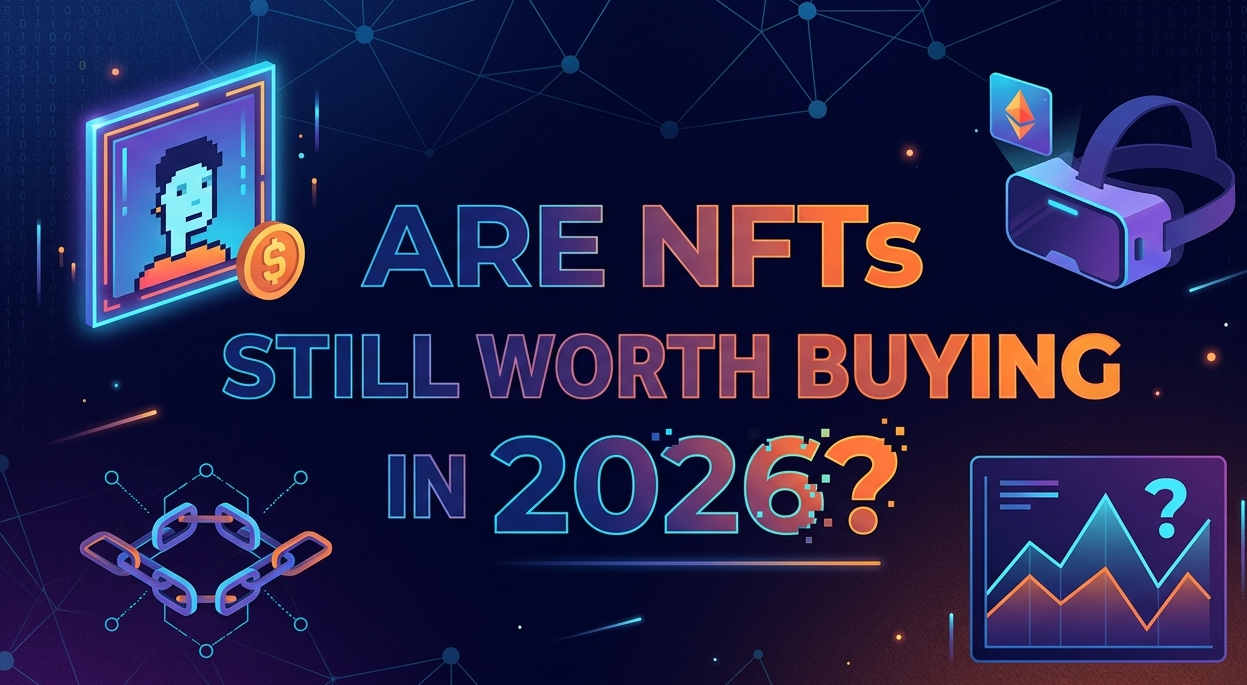
Conclusion: Are NFTs Still Worth Buying?
In evaluating the potential worth of NFTs (non-fungible tokens) as investments in 2026, it is essential to consider several key points raised in the prior sections. The NFT market has demonstrated significant volatility, characterized by rapid price fluctuations and evolving buyer interests. While the initial hype surrounding NFTs has subsided, their underlying technology and utility have continued to develop, suggesting a more mature market is emerging.
One of the main factors influencing the viability of NFTs is their integration into various industries, particularly art, gaming, and branding. Many creators and companies are leveraging NFTs to establish direct relationships with consumers and to innovate in how ownership and provenance are represented digitally. These advancements indicate a stronger foundation for the NFT market, potentially increasing long-term value.
However, potential buyers must approach NFT investments with caution. The excitement surrounding certain trends can lead to overvaluation, and liquidity challenges may arise as market dynamics shift. Additionally, personal investment strategies and risk appetite play a crucial role in determining whether to engage in the NFT market. As with any investment, thorough research and a clear understanding of personal financial goals are essential.
Ultimately, the decision to invest in NFTs in 2026 should be informed by an assessment of market trends, individual interests, and an awareness of risk. While NFTs may still hold promise as an investment, they also carry inherent risks that necessitate adequate preparation and thoughtful consideration. Investors are encouraged to remain informed and adaptable as developments in this evolving space unfold.