





Introduction to Multi-Signature Wallets
Multi-signature wallets, often referred to as multi-sig wallets, are a type of cryptocurrency wallet that enhances security by requiring multiple private keys to authorize a transaction. These wallets operate on a principle that adds a layer of protection, necessitating multiple approvals from designated parties before funds can be moved. The concept is rooted in eliminating single points of failure, thereby distributing risk across several key holders.
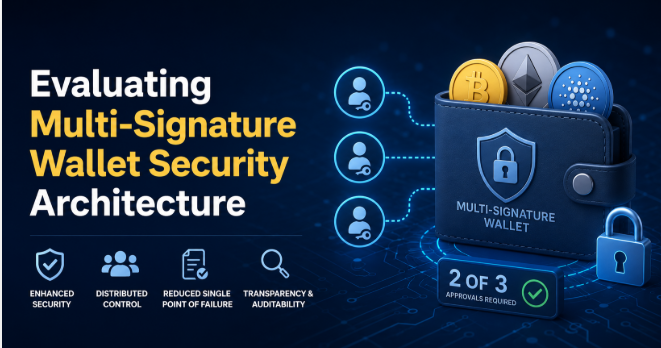
The fundamental functionality of multi-signature transactions involves a multi-signature address, which can require varying numbers of signatures to execute a transaction. For example, a 2-of-3 multi-signature wallet requires two out of three designated key holders to approve a transaction before it is processed. This ensures that no individual has unilateral control over the funds, significantly reducing the risk of theft or mismanagement.
Multi-signature wallets serve a critical purpose in the cryptocurrency ecosystem by safeguarding assets against unauthorized access and enhancing overall wallet security. They are particularly beneficial for organizations or groups managing shared funds or decentralized applications, where collaboration underpins operations. By implementing a multi-signature mechanism, parties involved can ensure collective oversight, creating a robust solution to counteract potential vulnerabilities associated with traditional single-key wallets.
Furthermore, the adoption of multi-sig technology can also instill greater confidence among stakeholders, as the shared responsibility framework aligns with best practices in financial governance. This collaborative functionality makes multi-signature wallets an appealing choice for both individual users and enterprises looking to secure their cryptocurrency holdings with increased rigor.
Importance of Security in Cryptocurrency Management
As the cryptocurrency ecosystem continues to expand, the importance of securing digital assets has become increasingly paramount. With the rise in popularity of cryptocurrencies, traditional wallets have been found to possess significant vulnerabilities. These wallets often rely solely on a single private key, making them susceptible to hacks or physical theft. Should this key be compromised, users face the possibility of losing their entire investment. This single point of failure highlights the urgent need for more robust security measures.
Moreover, threats in the cryptocurrency landscape are evolving at a rapid pace. Cybercriminals utilize sophisticated tactics such as phishing attacks, malware, and social engineering to gain unauthorized access to wallets and exchanges. Recent statistics indicate a surge in theft and fraud cases, emphasizing the necessity for users to adopt enhanced security practices. Without proper safeguards, individuals risk losing not only their assets but also their trust in the cryptocurrency system.
Multi-signature wallets offer a compelling solution to these prevalent security challenges. By requiring multiple private keys to authorize a transaction, they mitigate the risks associated with single-point failures. This decentralized approach ensures that no one individual has sole control over the funds, thereby bolstering security. In essence, multi-signature wallets allow for greater oversight and collaboration in managing assets, making them an attractive alternative for both individual and institutional users.
In conclusion, prioritizing security in cryptocurrency management is no longer optional but a necessity. The vulnerabilities inherent in traditional wallets underline the need for innovative solutions like multi-signature wallets, which provide enhanced protection against an array of threats in the digital finance landscape. Users who embrace such technologies can create a safer environment for their cryptocurrency investments and contribute to a more secure ecosystem overall.
Key Components of Multi-Signature Wallets
Multi-signature wallets, often referred to as multisig wallets, are increasingly popular in the cryptocurrency landscape due to their enhanced security features. Understanding the essential components that constitute a multi-signature wallet is crucial for ensuring the safe management of digital assets.
One of the primary components is the signature scheme. In a multi-signature setup, multiple private keys are required to create a transaction, making unauthorized access more challenging. The scheme dictates how many signatures are necessary for validation, which is often expressed as an “m-of-n” configuration, where ‘m’ represents the required signatures and ‘n’ indicates the total number of keys available. This complexity preserves asset security across several key holders.
Another vital aspect is address generation. A multi-signature wallet generates unique addresses that require multiple private keys to unlock. The generation process involves cryptographic algorithms that ensure randomness and uniqueness, guarding against potential vulnerabilities. Each address linked to a multi-signature wallet typically has a specific format, which includes information indicating the required signatures for transaction approval.
Key management is also essential in the operation of multi-signature wallets. Proper management involves secure storage and distribution of private keys among the designated signers. It is paramount that each key holder maintains stringent security protocols to prevent leaks or theft, often utilizing hardware wallets to enhance key protection.
Furthermore, the roles of different parties involved in the signing process play a crucial role in the functionality of a multi-signature wallet. Typically, these parties include co-owners or stakeholders who are involved in signing transactions. Each participant must be aware of their responsibilities and should engage in regular communication to revisit the threshold for transaction approvals and ensure that security measures remain robust.
Types of Multi-Signature Wallet Architectures
Multi-signature wallets have gained significant traction within the cryptocurrency community due to their enhanced security features. Various architectures define how these wallets are structured, each offering unique benefits and potential drawbacks. One of the most prevalent models is the n-of-m scheme. In this architecture, a total of ‘m’ keys are generated, out of which ‘n’ keys must be used to authorize a transaction. This flexibility allows for versatile configurations. For instance, a 3-of-5 setup ensures that at least three out of five key holders must concur for any transaction to proceed. Such a scheme increases resilience against single points of failure, allowing for distributed control and minimizing risks associated with lost or compromised keys.
Another popular configuration is the 2-of-2 wallet. This model requires both key holders’ approvals for any transactions, making it an excellent choice for partnerships or joint accounts. While it enhances security by necessitating consensus, it can lead to a single point of failure if one key holder is unreachable or loses their device. Moreover, this architecture may be less efficient in situations requiring timely transactions, as both parties must always be available to sign.
The hierarchical multi-signature architecture represents an advanced model incorporating hierarchical deterministic wallets. In this setup, derived addresses can manage different permissions across various sub-wallets. Such an arrangement supports multi-signatures tailored to varying levels of authority, ideal for organizations requiring diverse permissions within their financial systems. This architectural flexibility aids in enforcing robust security policies, albeit introducing complexity that may challenge novice users.</p>
When evaluating these architectures, it is critical to assess both their security benefits and inherent weaknesses. Understanding the operational context and user needs will aid in selecting the most suitable multi-signature wallet architecture.
Evaluating the Security Features of Multi-Signature Wallets
Multi-signature wallets, often referred to as multisigs, enhance cryptocurrency security by requiring multiple private keys to authorize transactions. This feature significantly diminishes the risk of unauthorized access, as a single compromised key would not suffice to execute any transaction. Key distribution is a fundamental element of this architecture; it ensures that individual keys are stored separately, thereby minimizing vulnerability. For instance, in a typical 2-of-3 multi-signature wallet setup, three keys are generated, but only two are needed to authorize a transaction. This ensures that even if one key is lost or compromised, the wallet can still operate securely.
Transaction flexibility is another critical advantage of multi-signature wallets. Users can define specific authorization conditions tailored to their security needs. For businesses or partnerships, this allows for customized controls, such as requiring signatures from multiple stakeholders before processing large transactions. This layer of security ensures that all parties agree on significant financial operations, reducing the chances of fraud and mismanagement.
The recovery processes associated with multi-signature wallets further bolster their security features. In scenarios where a user loses a key or a device containing a key, other keys can facilitate recovery functions, thus minimizing potential loss of assets. A well-structured recovery scheme typically involves backup processes, periodic audits of key holders, and user education on safeguarding private keys. Overall, the incorporation of these security measures in multi-signature wallets provides robust protection against unauthorized access and assists in managing key loss scenarios effectively, making them a superior choice for heightened cryptocurrency security.
Comparative Analysis with Single-Signature Wallets
Multi-signature wallets and single-signature wallets serve distinct needs and offer varying degrees of security for cryptocurrency holders. A single-signature wallet operates on a straightforward model where a private key grants complete access to funds. While this simplicity is beneficial for individual users who prioritize ease of use, it also presents significant risks. If a single-user’s private key is compromised or lost, they risk total loss of their cryptocurrency holdings.
In contrast, multi-signature wallets add an additional layer of security by requiring multiple private keys to authorize transactions. This means that even if one private key is lost or stolen, access to the funds is not solely reliant on that key. By distributing control among multiple keys, either held by different individuals or devices, the risk of unauthorized access is considerably reduced. For instance, a common configuration is the 2-of-3 scheme, where two of the three designated keys must be present to execute any transaction.
From a usability perspective, while multi-signature wallets can complicate the process of sending and receiving funds due to the need for consensus among signatories, many users find the increased security thresholds worthwhile. Especially in enterprise scenarios or shared assets, this additional layer of security helps mitigate risks associated with fraud and mismanagement. However, the complexity of managing multiple keys and potential delays in transaction approvals can be seen as drawbacks for casual users.
Ultimately, the choice between multi-signature and single-signature wallets depends on the user’s specific needs, risk tolerance, and technical proficiency. Users concerned about security risks, such as theft or loss of access, may lean towards multi-signature wallets to safeguard their cryptocurrency assets. In summary, while single-signature wallets offer convenience and direct control, multi-signature wallets provide enhanced security through shared control, making them a compelling choice for more security-conscious users.
Real-world Applications and Use Cases
Multi-signature wallets have emerged as a vital security tool across various sectors, offering a robust framework for managing cryptocurrency assets. One of the most notable applications is in large organizations managing substantial funds. These entities often utilize multi-signature wallets to require approvals from multiple executives or board members before completing significant transactions. This approach not only safeguards against fraud but also enhances accountability within the organization. By implementing a multi-signature system, organizations can effectively mitigate the risks associated with fund mismanagement.
Another prominent use case for multi-signature wallets is in businesses that demand heightened security for their transactions. Cryptocurrency exchanges and payment platforms, for example, rely heavily on this technology to protect user funds and data. By leveraging a multi-signature wallet, these businesses can ensure that no single individual has unilateral control over the funds, effectively reducing the chances of theft or unauthorized access. This adds an extra layer of security, instilling confidence among customers while fostering a more secure transaction environment.
Furthermore, individual users with substantial cryptocurrency holdings can significantly benefit from multi-signature wallets. As personal investments in cryptocurrencies continue to grow, the importance of securing these assets becomes increasingly crucial. A multi-signature wallet allows individuals to set up a scenario where different devices or accounts are required for access, ensuring that their assets are well-protected against potential breaches. This is particularly relevant for users employing cold storage solutions, as they can create a multi-signature setup to secure their holdings against online threats.
In these varied scenarios, it is clear that multi-signature wallets provide a versatile and secure means of managing digital assets. By implementing such technology, organizations, businesses, and individual users can enhance the security of their cryptocurrency funds while fostering trust in their operational processes.
Challenges and Limitations of Multi-Signature Wallets
Multi-signature wallets offer enhanced security through the requirement of multiple signatures for transaction approval, yet they also present various challenges and limitations that users must consider. One primary challenge is the inherent complexity of managing these wallets. Setting up a multi-signature wallet requires users to understand the underlying technology and structure, which can be daunting for those without a technical background. This complexity can lead to mistakes during the setup process, potentially jeopardizing the safety of funds.
User error is another significant limitation associated with multi-signature wallets. If one of the key holders mismanages their private key—whether through loss, theft, or poor security practices—it can compromise the entire wallet. The interdependence of key holders means that if one party fails to safeguard their key, all users are at risk. Furthermore, relying on several key holders can complicate decision-making processes; disagreements among holders can lead to delays or even hinder necessary transactions.
Transaction processing times may increase as well because multi-signature wallets often require more time to gather the necessary signatures. This can adversely affect users needing rapid access to their funds, especially during periods of market volatility. Additionally, interfacing with third-party services may present additional layers of complexity, as not all platforms readily support multi-signature functionality.
Lastly, regulatory and compliance aspects can pose challenges. Some jurisdictions may have unclear regulations regarding the use of multi-signature wallets, which could lead to legal ambiguities. Therefore, it is crucial for users to stay informed about the legal frameworks governing such wallet structures to ensure compliance and safeguard their investments.
Future Directions in Multi-Signature Wallet Security
The future of multi-signature wallet security entails a variety of advancements driven by the necessity to safeguard digital assets in an increasingly risky cyber landscape. As the adoption of cryptocurrencies intensifies, so too does the urgency to enhance wallet security measures. One promising avenue is the integration of advanced cryptographic techniques, which can provide a higher degree of security against potential breaches. These techniques include the implementation of threshold cryptography, which allows the reconstruction of private keys only when a predetermined number of shares are combined, significantly reducing vulnerability.
Moreover, innovations in user interface design are essential for improving the overall user experience without compromising security. A seamless interface that incorporates security features intuitively can assist users in understanding and managing their multi-signature wallets more effectively. Educational initiatives can also accompany updated designs, ensuring users remain aware of key safety practices and strategies for mitigating risks associated with multi-signature wallets.
As the threat landscape evolves, the development of adaptive security measures will be crucial. Threat intelligence tools capable of identifying emerging cyber attack vectors can support customers proactively, moving toward a more resilient security architecture. Moreover, collaboration between wallet developers and cybersecurity experts will be instrumental in sharing knowledge and developing best practices tailored to combat the latest threats in the digital currency space.
In conclusion, the trajectory of multi-signature wallet security encompasses technological enhancements and user-centric innovations designed to reinforce the management of cryptocurrencies. These ongoing improvements will play a pivotal role in ensuring the long-term security and reliability of multi-signature wallets in managing digital assets.