




Introduction to Binance P2P Trading
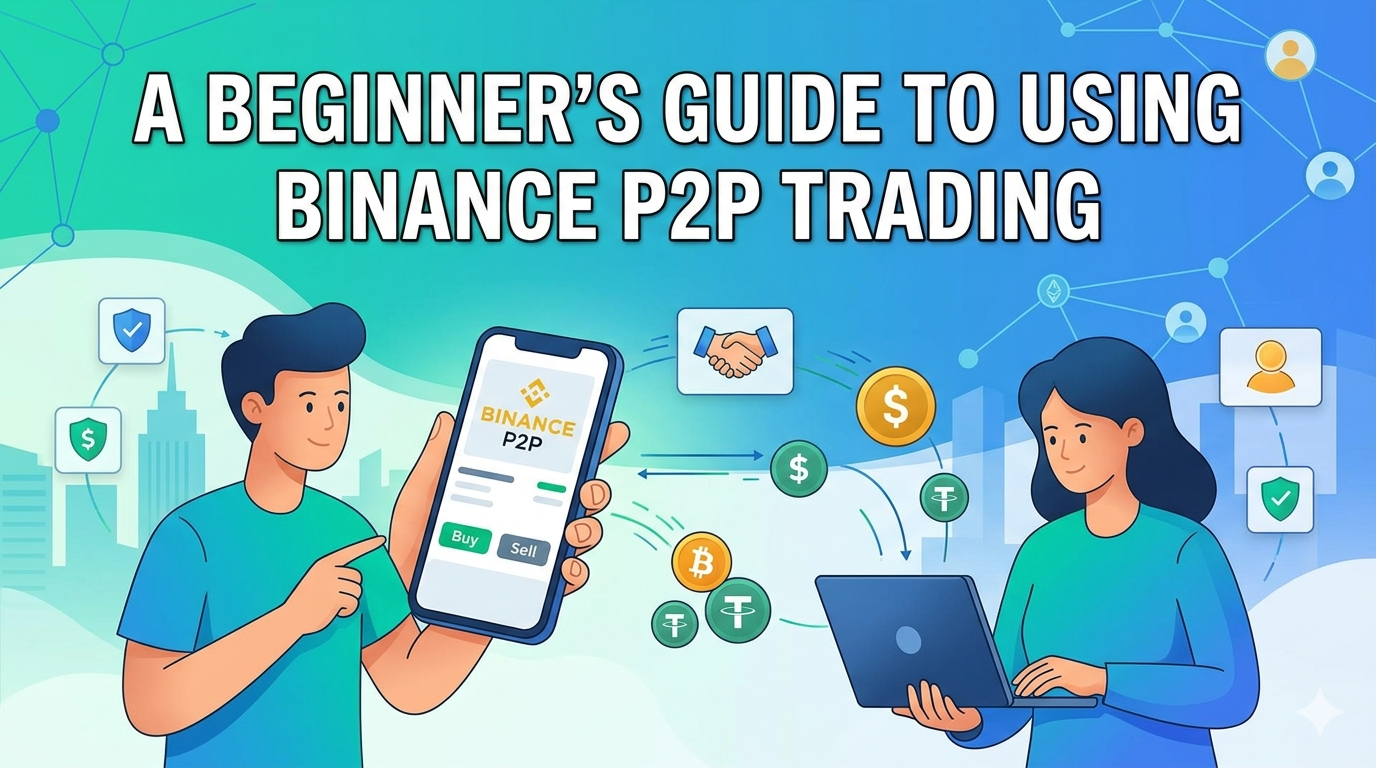
Binance P2P Trading represents a significant innovation in the cryptocurrency landscape, allowing users to buy and sell digital assets directly with one another. This peer-to-peer model facilitates seamless transactions without the intermediary role typically played by centralized exchanges. Essentially, Binance’s P2P trading platform connects buyers and sellers, ensuring that they can engage in cryptocurrency exchanges at mutually agreeable terms.
The operation of Binance P2P is straightforward. Users create buy or sell orders for various cryptocurrencies, and these orders are visible to other users on the platform. Buyers can browse through available offers, consider the pricing and seller ratings, and initiate transactions. Once both parties agree to the terms, the selected cryptocurrency is held in escrow by Binance until payment is confirmed. Only after the payment is successfully completed is the cryptocurrency released, thus minimizing the risks associated with fraud.
The advantages of using Binance for P2P trading are manifold. Firstly, it offers a user-friendly interface that is suitable for both beginners and experienced traders. Additionally, Binance provides a wide range of cryptocurrencies that users can trade, enhancing flexibility and choice. Further, the platform ensures competitive pricing, allowing participants to engage in favorable transactions. The inclusion of an integrated escrow service significantly boosts the security of each transaction, instilling confidence in users. Moreover, Binance’s established presence in the cryptocurrency market adds credibility and encourages more individuals to explore P2P trading options.
With these features, Binance P2P Trading stands as a vital component of the overall trading ecosystem, catering to a growing demand for decentralized exchanges in the ever-evolving cryptocurrency market. This introduction sets the stage for further exploration into how effective Binance P2P trading can be for new and existing cryptocurrency aficionados.
Setting Up Your Binance Account
Creating a Binance account is a straightforward process that begins with visiting the official Binance website. Click on the “Register” button located at the top right corner of the homepage. You will be prompted to enter your email address and create a strong password. Ensure that the password is secure, as this will be the first line of protection for your cryptocurrency trading activities.
After completing your registration, you will receive a confirmation email. Click the link in the email to verify your account. Once verified, log in to your account to proceed with identity verification, also known as Know Your Customer (KYC). This process is crucial for ensuring the security and legality of trading on the platform.
To complete KYC verification, navigate to the “Account” section within your profile. Here, you will find the option to start the identity verification process. You will need to provide personal details including your name, date of birth, and address. Additionally, you will be required to upload a government-issued identification document, such as a passport or driver’s license, along with a selfie for facial recognition.
Another important aspect of account security is enabling Two-Factor Authentication (2FA). This adds an extra layer of protection by requiring a second form of verification when logging in or making withdrawals. Binance offers 2FA through SMS or an authentication app such as Google Authenticator. Selecting the latter is often recommended for enhanced security.
Once you have completed the verification and 2FA setup, take a moment to familiarize yourself with the Binance interface. The dashboard provides access to all features such as trading options, wallet balances, and market trends. Understanding your account settings will help streamline your trading experience and enhance security as you engage in Binance P2P trading.
Understanding P2P Trading Mechanics
P2P (peer-to-peer) trading enables users to buy and sell cryptocurrencies directly with one another, usually facilitated by a trading platform like Binance. A fundamental aspect of P2P trading mechanics is the functioning of buy and sell orders. Buyers and sellers create orders on the platform, stating the amount of cryptocurrency they wish to trade, the price they are willing to accept, and any specific payment methods they prefer.
In the realm of P2P trading, there are two main types of orders: limit orders and instant buy/sell orders. Limit orders allow users to set a specific price at which they are willing to buy or sell their crypto assets. This order remains active until either completed at the specified price or canceled by the user. On the other hand, an instant buy/sell order facilitates quick transactions; users can purchase or sell cryptocurrency at the current market price, ensuring immediate execution but sacrificing control over pricing.
The roles of buyers and sellers are crucial in P2P trading. Buyers seek to acquire cryptocurrency, while sellers look to liquidate their assets in exchange for fiat or other cryptocurrencies. Each party must agree on the transaction details to proceed, which fosters a sense of trust and accountability in the process.
Trade agreements are vital in P2P trading, as they outline the terms and conditions to which both buyers and sellers consent. These agreements provide protection for both parties by establishing expectations regarding the transaction, payment methods, and any contingencies that may arise. Proper understanding and navigation of trade agreements can help mitigate risks associated with P2P trades, contributing to enhanced trader satisfaction and confidence within the cryptocurrency ecosystem.
Finding the Right P2P Trade
Navigating the Binance P2P trading platform can be a straightforward process if users know where to focus their efforts. The first step in finding a suitable trade is to utilize the filtering options available on the platform. Traders can filter through various available offers based on cryptocurrency type, payment methods, and even location. This helps streamline the trading process and allows users to narrow down their options efficiently.
Beyond filtering, understanding trader ratings and reviews plays a crucial role in identifying reliable P2P trades. Each trader listed on the Binance platform has a rating that reflects their trading history and reliability. Reading through recent reviews can provide insight into other traders’ experiences, which helps in assessing the trustworthiness of a potential trading partner. Pay attention to how promptly the trader responds and the overall sentiment of their past interactions.
Pricing is another essential factor when determining a suitable P2P trade. It is beneficial to compare different offers for similar amounts of cryptocurrency, ensuring the prices are competitive. Keep in mind that prices can fluctuate frequently, so it’s advisable to monitor the market to get the best possible deal. Additionally, some traders may offer lower prices but impose stricter payment terms, so evaluating payment methods is crucial. Choose an option that is convenient and aligns with personal preferences to avoid complications in the transaction process.
Ultimately, assessing potential trades involves a careful evaluation of the trader’s reliability, pricing competitiveness, and payment methods. It is essential to take the time to compare offers and make informed decisions, ensuring that the trading experience on Binance P2P is both efficient and secure.
Executing your first peer-to-peer (P2P) trade can seem daunting, but Binance makes the process straightforward and user-friendly. Here’s a step-by-step guide to help you through your initial trade smoothly.
Begin by logging into your Binance account. If you do not have an account yet, ensure that you create one and complete the necessary verification steps. Once logged in, navigate to the P2P trading section found in the main menu. From there, you will have the option to either buy or sell cryptocurrency. For this example, let’s assume you want to buy.
Click on the ‘Buy’ tab, and you will see a list of available trading offers from various sellers. Here, you can filter the offers based on payment method, price, and cryptocurrency type. Select an offer that suits your requirements and click on the ‘Buy’ button next to it.
You will be prompted to enter the amount you wish to purchase. Once you input your desired amount, review the terms of the transaction presented by the seller. It is important to read any additional conditions they may have set, as this will enhance communication and mitigate misunderstandings.
After confirming the details, you will be taken to a chat interface where you can communicate directly with the seller. Use this opportunity to ask any questions and clarify the payment process. Communication is essential for a successful P2P transaction.
Once everything is clear, proceed with the payment as stipulated by the seller. Ensure that you adhere strictly to their instructions, as failure to do so can delay the process. After making the payment, return to the Binance P2P platform and click on ‘I have paid’. This notifies the seller that the payment has been initiated.
The seller will then confirm receipt of the payment, and once confirmed, the cryptocurrency will be released to your Binance wallet. Always check your wallet to ensure the transaction is complete. If any issues arise, use the chat function for immediate resolution. With these steps, you’ll be well-equipped to execute your first trade on Binance P2P successfully.
Understanding Payment Methods
When engaging in P2P trading on Binance, selecting the most suitable payment method is crucial for a seamless transaction experience. Binance offers a variety of payment options, enabling users to choose the one that aligns best with their personal preferences and geographical location.
The most common payment methods used in Binance P2P trading include bank transfers, e-wallets, and cash payments. Bank transfers are widely recognized for their reliability and security, making them a popular choice among traders. Users can initiate direct deposits from their bank accounts to complete transactions. However, depending on the user’s region, this method may sometimes involve longer processing times or additional fees.
E-wallets provide another convenient, faster, and relatively secure method for transactions. Platforms like PayPal, Skrill, and Revolut are commonly supported on Binance P2P, allowing users to quickly send or receive funds without the wait associated with traditional banking. This can be especially beneficial for those who prioritize speed over the potential slight increase in transaction fees.
Cash payments are yet another option; however, they come with their own set of risks. While cash transactions eliminate the need for digital verification, they require a higher level of trust between the trading parties. Users opting for cash payment should consider meeting in safe public locations and ensuring they are interacting with verified traders on the platform to mitigate potential scams.
In navigating these various payment methods, users should assess their individual needs, taking into account factors such as speed, security, and transaction costs. By making an informed decision, traders can enhance their overall Binance P2P trading experience.
Safety and Security Tips for P2P Trading
When engaging in P2P trading on Binance, prioritizing safety and security is essential to mitigate risks. One of the critical steps is to remain vigilant against scams. Scammers often use various tactics, such as impersonation and misrepresentation, to manipulate unsuspecting traders. It is prudent to verify the identity of traders by checking their profiles, transaction history, and feedback from previous trades. This will provide insights into their reliability and reduce the risk of falling victim to fraudulent schemes.
Another best practice is to utilize Binance’s escrow services. The escrow service acts as a safeguard by holding the cryptocurrency being sold until both parties fulfill the transaction’s conditions. This means that the seller cannot access the funds until the buyer has completed their payment, and vice versa. By relying on this secure system, traders can significantly minimize the risk of losing their assets to unscrupulous individuals.
Effective communication plays a vital role in ensuring safety during P2P trades. It is crucial to communicate through the Binance platform instead of external messaging applications. This method not only allows traders to use the built-in features of Binance for chats but also ensures that all communications are recorded and can be reviewed in case of disputes. Avoid sharing personal information or financial details outside the platform, as this may open opportunities for scams.
Lastly, always trust your instincts. If a trade seems too good to be true or if a trader exhibits suspicious behavior, do not hesitate to cancel the transaction. By following these safety and security tips, traders can engage confidently in Binance P2P trading while protecting their assets effectively.
Troubleshooting Common Issues in P2P Trading
Participating in P2P trading on Binance can sometimes involve encountering various issues that may hinder your trading experience. Understanding how to troubleshoot these problems is essential for efficient and effective trading. Common issues can include failed transactions, disputes with other users, and payment delays, each of which requires a specific approach for resolution.
Firstly, failed transactions can occur for several reasons, such as insufficient funds in your account, network issues, or errors in the transaction details. To mitigate this issue, it is advisable to double-check the available balance and ensure all transaction parameters are accurate before proceeding. If a transaction fails, you can attempt to initiate it again after verifying all necessary information.
Disputes between buyers and sellers are another common challenge in P2P trading. These disputes often arise from misunderstandings or differences in expectations regarding payment or asset delivery. If you find yourself in a conflict, it is crucial to communicate clearly with the other party through the Binance chat function and attempt to reach an amicable agreement. Binance also has a built-in dispute resolution feature, which you can use if informal communication fails. Engaging a third-party mediator can often help in resolving the issue.
Payment delays, on the other hand, may stem from various factors including banking issues or payment service provider problems. In such cases, staying in touch with the involved payment services and being patient while allowing transaction times to elapse can be helpful. If delays persist, users should consider reaching out to Binance support for assistance. Binance has a dedicated support team that can provide guidance and solutions tailored to your specific issue.
In summary, navigating the occasional challenges in Binance’s P2P trading can enhance your overall experience and performance. By applying these troubleshooting tips and utilizing Binance’s resources, you can effectively manage and prevent these common P2P trading issues.
Conclusion: Embracing Binance P2P Trading
As we conclude our exploration of Binance P2P trading, it is evident that this platform offers a flexible and user-friendly approach to cryptocurrency trading. The benefits of engaging in P2P trading on Binance are numerous, including access to a vast network of buyers and sellers, competitive pricing, and the independence that comes with direct transactions. All these factors contribute to an ideal environment for beginners looking to navigate the digital assets landscape with confidence.
Moreover, this guide has highlighted crucial aspects such as account security, the importance of choosing reliable traders, and the need for understanding market trends. Continuous learning remains a pivotal part of the trading journey, as the cryptocurrency environment is subject to rapid changes and fluctuations. By consistently staying updated with market developments and refining trading strategies, individuals can harness the potential offered by Binance P2P trading to enhance their financial outcomes.
We encourage readers to actively participate in this trading system and develop their expertise through practice and engagement with the community. The pathways to learning and success in this dynamic market are significant, and with diligent effort, novices can evolve into proficient traders. Ultimately, embracing Binance P2P trading not only empowers individuals to take control of their trading activities but also connects them with a broader ecosystem of cryptocurrency enthusiasts and financial opportunities.