




Introduction to Bitcoin Investment
Bitcoin, created in 2009 by an anonymous individual or group known as Satoshi Nakamoto, is the first decentralized digital currency. It operates on a peer-to-peer network, allowing users to send and receive payments without the need for a central authority or intermediary. Over the years, Bitcoin has gained significant traction, carving out a substantial space in the broader cryptocurrency market. As the foundational cryptocurrency, Bitcoin paved the way for the emergence of thousands of alternative cryptocurrencies, often referred to as altcoins.
Investment in Bitcoin can be an enticing opportunity for individuals and institutions alike, given its potential for high returns. Many early investors reaped substantial profits when the value of Bitcoin surged dramatically over the past decade. Bitcoin offers diversification for investment portfolios, particularly amidst economic uncertainty or inflation concerns, as it is viewed as a hedge against traditional financial systems.
Moreover, Bitcoin’s decentralized nature means that it is not subject to control by any single authority or government. This aspect appeals to many investors who value the independence from traditional banking systems. Additionally, with the increasing institutional adoption of Bitcoin, including from hedge funds and publicly traded companies, confidence in its legitimacy and stability has grown significantly.
However, as with any investment, Bitcoin carries its own set of risks. The market can be highly volatile, with rapid price fluctuations posing challenges for those who may be unprepared. Therefore, understanding the landscape and selecting the right environment for investment is crucial. This comprehensive guide will delve into the best countries for Bitcoin investment and highlight the conditions that make them favorable for potential investors.
Criteria for Evaluating Countries
Creating a framework to evaluate the best countries for Bitcoin investment involves considering several key criteria. Each of these factors plays a critical role in determining the viability of a country as a favorable environment for cryptocurrency investments.
First and foremost, the regulatory environment is paramount. Countries that have clear regulations regarding Bitcoin and other cryptocurrencies tend to attract more investors. A positive regulatory framework not only provides legal clarity but also protects investors from fraud and scams, thereby enhancing confidence in the market. Countries like Switzerland and Malta are often highlighted for their pro-cryptocurrency legislation, which cultivates a thriving Bitcoin ecosystem.
Taxation policies represent another essential criterion. Countries that offer favorable tax treatment for cryptocurrency transactions are more appealing to investors. This may include lower capital gains tax rates, exemptions for certain forms of cryptocurrency trading, or other incentives. As such, examining the tax obligations on Bitcoin gains within a country can provide critical insight into its attractiveness for investment.
Accessibility to cryptocurrency exchanges is also vital. A robust infrastructure for buying, selling, and trading Bitcoin is necessary for both novice and experienced investors. Countries with well-established cryptocurrency exchanges and banking partnerships enable smoother transactions and facilitate easier entry into the Bitcoin market. Hence, understanding the availability and reliability of exchanges in a country can affect the overall investment experience.
Market maturity is another important aspect. A mature market with established investors, businesses, and usage of Bitcoin reflects a healthier investment environment. Countries that support innovation and technology often witness rapid growth in Bitcoin adoption and consequently offer better opportunities for investors.
Finally, the overall economic stability of a nation cannot be overlooked. Countries with stable economies are less likely to experience drastic currency fluctuations, making them safer bets for Bitcoin investments. High economic instability can lead to erratic changes in Bitcoin value, posing a significant risk for investors.
Top Countries for Bitcoin Investment
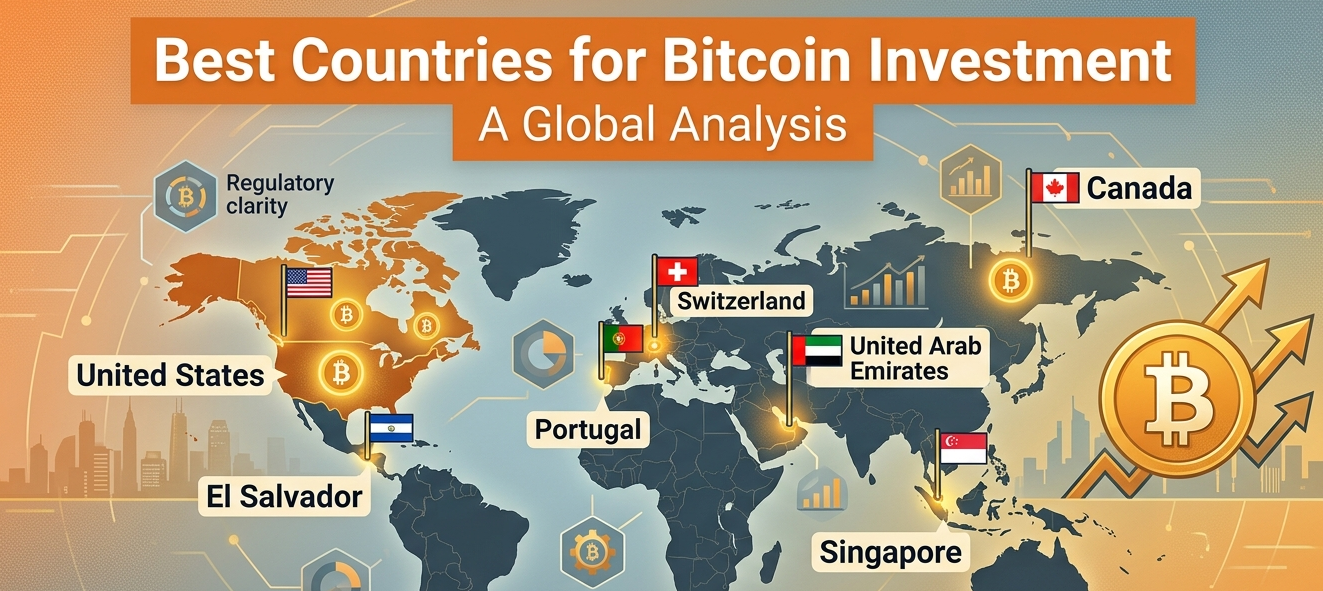
The landscape of Bitcoin investment is ever-evolving, with certain countries standing out as particularly favorable for both new and seasoned investors. A blend of supportive regulations, robust infrastructure, and active communities makes these countries ideal for those looking to delve into the world of cryptocurrency.
One of the leading countries in Bitcoin investment is Switzerland. Renowned for its pro-cryptocurrency stance, Switzerland has introduced regulations that create a secure environment for digital currencies. The nation’s financial stability and innovation make it a primary destination for investors. In addition, cities like Zug, often referred to as “Crypto Valley,” have fostered a vibrant community of blockchain and cryptocurrency projects.
Another notable contender is Singapore, which has become a hub for cryptocurrency exchanges and startups. The Monetary Authority of Singapore has implemented a regulatory framework that nurtures innovation while ensuring consumer protection. Investors benefit from a tax-friendly environment and access to a plethora of educational resources, enhancing overall investment ease.
Germany also deserves mention, particularly for its regulatory clarity regarding Bitcoin. The Federal Financial Supervisory Authority recognizes Bitcoin as a form of currency. This recognition not only legitimizes Bitcoin but also promotes its widespread usage. Additionally, cities like Berlin are thriving with a supportive ecosystem for crypto enthusiasts, making it easier for investors to engage with local communities.
Lastly, the United States, particularly states like Wyoming and Texas, has introduced laws that encourage Bitcoin investment. With a rapidly expanding cryptocurrency community and a variety of exchanges operating within its borders, the U.S. offers multiple avenues for investment. However, prospective investors should remain vigilant about the varying regulations across different states.
Regulatory Framework for Bitcoin
The regulatory environment for Bitcoin and other cryptocurrencies varies significantly from one country to another. Understanding this landscape is crucial for investors seeking to engage safely and effectively with digital currencies. Countries with favorable regulatory frameworks often encourage the growth of cryptocurrency markets, while those with stringent regulations may impose restrictions that hamper potential investment opportunities.
For instance, nations like Switzerland and Singapore have established themselves as leaders in cryptocurrency regulation. In Switzerland, the Financial Market Supervisory Authority (FINMA) has created a clear legal structure for cryptocurrency operations, offering a balanced approach that promotes innovation while protecting investors. Similarly, Singapore’s Monetary Authority has developed regulations that facilitate a healthy cryptocurrency ecosystem, supporting both startups and established firms alike.
In contrast, countries such as China and India have adopted much stricter regulations. China has implemented comprehensive bans on cryptocurrency trading and Initial Coin Offerings (ICOs), significantly impacting the global cryptocurrency market. India’s approach has fluctuated, with the central government proposing regulations that could affect the trading and use of Bitcoin. Such regulatory uncertainty can present challenges for investors, making it essential to stay informed about the current legal standing on cryptocurrencies in these regions.
Other countries fall somewhere in between, with ongoing discussions and evolving regulations. The United States, for example, has a varied regulatory framework that includes both federal and state-level regulations, resulting in a complex environment for Bitcoin investment. Each state may have different laws that could either facilitate or restrict cryptocurrency trading.
In summary, the regulatory framework for Bitcoin investments around the world is diverse and continually evolving. Investors need to conduct thorough research and stay updated on regulatory changes in the countries they wish to invest in, ensuring compliance while identifying the most favorable conditions for their Bitcoin ventures.
Tax Implications of Bitcoin Investment
Investing in Bitcoin can lead to significant financial rewards, but it is imperative for investors to be aware of the tax implications associated with this form of cryptocurrency. Different countries have varying regulations and laws regarding how Bitcoin is taxed which can greatly influence an investor’s net gain. In many jurisdictions, Bitcoin is classified as property rather than currency. Consequently, this classification often means that any gains made from buying and selling Bitcoin are treated as capital gains.
For instance, in the United States, Bitcoin investments are subject to capital gains tax when sold for a profit. This ranges from 0% to 20% depending on the investor’s income bracket and the duration for which the Bitcoin was held. Long-term holdings, defined as assets held for over a year, usually qualify for reduced capital gains tax rates. Conversely, short-term gains from Bitcoin sold within a year of purchase are taxed at the investor’s ordinary income tax rates.
Similarly, in countries like Germany and Switzerland, cryptocurrency gains can be tax-free if certain conditions are met, such as holding the investment for over a year in the case of Germany. Other nations, like Portugal, have opted for more favorable regulations, treating Bitcoin transactions involving private investors with much lower tax implications. This means that profits from Bitcoin sales may not be taxed if they do not exceed a specified threshold.
Understanding the tax regime in the respective country of investment is crucial for Bitcoin investors. Knowledge of capital gains taxes, income taxes, and any exemptions can help in effective planning and ensuring compliance with taxation laws, thus avoiding heavy penalties. Investors should consider seeking professional tax advice to navigate these complex regulations efficiently.
Cryptocurrency Exchanges and Accessibility
Access to cryptocurrency exchanges is a critical factor for investors looking to participate in the Bitcoin market. Different countries offer various exchange platforms, characterized by their unique features, trading pairs, and overall usability. In assessing the best countries for Bitcoin investment, it is essential to examine the types of exchanges available and how effectively they cater to both novice and experienced investors.
There are generally three types of cryptocurrency exchanges: centralized, decentralized, and peer-to-peer platforms. Centralized exchanges, such as Coinbase and Binance, are the most common, providing a user-friendly interface and a wide range of trading pairs. These platforms often emphasize security, incorporating measures like two-factor authentication and cold storage to protect users’ assets. Moreover, they generally allow high liquidity levels, facilitating quick transactions and ease of trading.
Decentralized exchanges, such as Uniswap and SushiSwap, operate differently by allowing users to trade directly with one another. They usually offer lower fees and greater privacy but may lack the extensive customer support commonly found in centralized platforms. In terms of accessibility, decentralized exchanges can be used in any country with internet access, making them readily available for many investors.
Peer-to-peer exchanges, such as LocalBitcoins, provide a unique platform where traders can buy and sell directly with minimal intermediary involvement. These exchanges cater well to users in regions with limited access to traditional banking services, enabling broader participation in the cryptocurrency market.
Overall, the effectiveness of these exchanges varies across countries, impacted by regulatory environments and the level of cryptocurrency adoption in each region. Countries with favorable regulations often see a proliferation of exchanges, drastically improving accessibility for investors. As the cryptocurrency landscape continues to evolve, evaluating the security measures, trading options, and user experience of these exchanges is paramount for informed investment decisions.
Community and Support for Bitcoin Investors
The landscape of Bitcoin investment is not solely defined by financial metrics; the strength of the community plays a crucial role in shaping the experience for investors. In various countries identified as prime locations for Bitcoin investment, particularly progressive nations such as Germany, Switzerland, and Singapore, there exists a vibrant ecosystem of support structures tailored specifically for investors.
Local meetups and gatherings serve as significant forums where Bitcoin enthusiasts and investors can network, share insights, and learn from one another. These meetups, often organized through platforms like Meetup.com or dedicated cryptocurrency forums, allow individuals to engage directly with experts and fellow investors, fostering a sense of camaraderie and collective learning. Such events frequently feature presentations from industry leaders, discussions on market trends, and workshops designed to enhance understanding of Bitcoin and investment strategies.
Educational resources are another facet of community support recognized in top Bitcoin investment countries. Many cities have established educational organizations focused on blockchain technology and cryptocurrency, offering courses for various skill levels. Online platforms also host webinars, tutorials, and certification programs that are accessible globally, catering to an expanding audience keen on understanding the mechanics of Bitcoin investment.
Additionally, numerous online forums and social media groups exist where investors can discuss market developments, exchange tips, and seek advice. Platforms like Reddit and Telegram have become common spaces for investors to ask questions and share experiences, contributing significantly to the overall knowledge base and enhancing investor confidence.
Ultimately, the community and support structures present in countries favorable to Bitcoin investment not only enrich the investor experience but also pave the way for a more informed and engaged investor base.
Investment Risks and Considerations
Investing in Bitcoin presents a unique set of challenges that potential investors should seriously consider before engaging in this volatile market. One of the primary risks is market volatility. The price of Bitcoin can experience significant fluctuations over short periods, driven by factors such as market sentiment, regulatory news, and economic changes. Such volatility can lead to substantial gains but can also result in considerable losses, making it essential for investors to have a robust risk management strategy.
Another key consideration is the evolving regulatory landscape surrounding Bitcoin and cryptocurrencies in general. Different countries have varying approaches to cryptocurrency regulation, which can directly impact the security and legality of Bitcoin investments. In countries where Bitcoin is heavily regulated or outright banned, investors may face legal repercussions or difficulties in executing transactions. Thus, understanding the regulatory environment in each jurisdiction is crucial for ensuring compliance and minimizing risks.
Furthermore, there are inherent differences in investment security across countries that must be taken into account. Some nations have well-established frameworks for cryptocurrency exchanges and wallets, offering better protection for investors, while others may lack these safeguards, leaving investors vulnerable to fraud or cyberattacks. It is advisable for investors to conduct thorough research on the security measures in place in their chosen jurisdiction before committing funds.
In essence, while Bitcoin presents a remarkable investment opportunity, it is accompanied by significant risks tied to market behavior, regulatory frameworks, and security. Investors are encouraged to weigh these factors carefully, as well-informed decisions can lead to more favorable investment outcomes in the long run.
Conclusion: Making the Right Choice
In assessing the best countries for Bitcoin investment, it is vital to take into account various factors such as regulatory environments, economic stability, taxation aspects, and accessibility to cryptocurrency services. Each country examined in this guide offers unique advantages and challenges that cater to different types of investors. For instance, countries like Switzerland and Singapore have established themselves as leaders in fostering a conducive atmosphere for cryptocurrency enthusiasts, thanks to their friendly regulations and innovative technologies.
On the other hand, nations with emerging markets present an intriguing opportunity for risk-tolerant investors willing to navigate volatility for potential high rewards. Countries such as Nigeria and Brazil have demonstrated significant increases in Bitcoin adoption, suggesting a burgeoning potential for investment despite existing uncertainties.
Furthermore, understanding local cultural attitudes toward Bitcoin can also play a crucial role in your investment strategy. Favorable public perception and widespread acceptance of Bitcoin can enhance liquidity and provide a safer investment milieu. Therefore, your decision must align with not only the external economic and regulatory landscapes but also your individual circumstances, risk tolerance, and investment goals.
Ultimately, the key to successful Bitcoin investment lies in conducting thorough research and continuously monitoring market trends within the chosen country. Engaging with local communities and experts can provide invaluable insights that can shape a well-informed investment strategy. As the cryptocurrency landscape evolves, adapting your approach and being aware of changes in regulations or market dynamics can substantially benefit your investment journey. With careful consideration and strategic foresight, you can make informed decisions that best suit your investment profile in the exciting world of Bitcoin.