




Introduction to Bitcoin Transactions
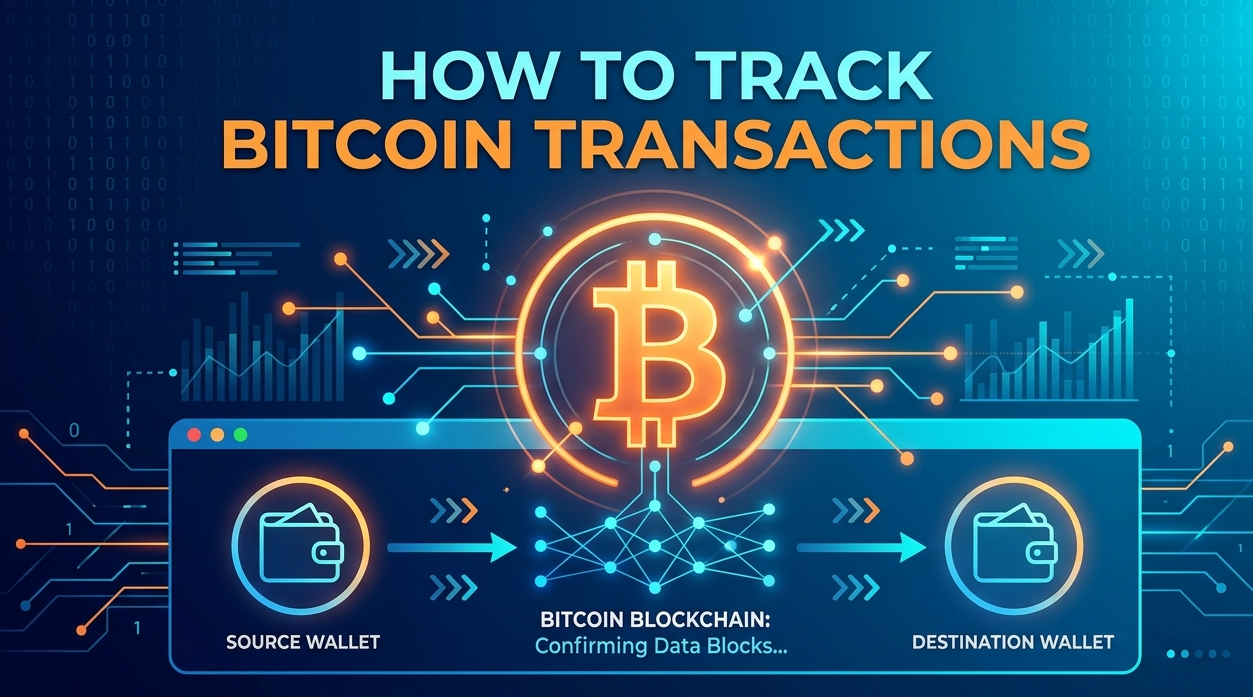
Bitcoin transactions serve as the backbone of the cryptocurrency ecosystem, facilitated by a decentralized technology known as blockchain. Each transaction is a record of the exchange of Bitcoin from one user to another, recorded chronologically on the blockchain. This digital ledger is maintained by a network of nodes, allowing anyone to view the transaction history while ensuring user anonymity through pseudonymous addresses.
The process begins when a user initiates a transaction, which then enters the mempool, where it awaits confirmation by miners. Miners are individuals or entities that use computational power to solve complex mathematical problems and validate transactions. Once confirmed, the transaction is added to a block. Miners play a crucial role in maintaining the integrity and security of the Bitcoin network by preventing double-spending and ensuring that all transactions are conducted accurately and transparently.
Upon validation, each block is timestamped and linked to the previous block, creating a chain that forms the blockchain. This design not only enhances security but also makes it nearly impossible to alter previous transactions without the consensus of the network. Understanding how these transactions work is vital for users, especially for those involved in trading or investing in Bitcoin. Knowledge of transaction tracking allows users to monitor funds, confirm successful transfers, and assess transaction fees, which can fluctuate based on network activity.
In summary, Bitcoin transactions are integral to the functioning of this cryptocurrency, hinging on blockchain technology, the efforts of miners, and secure transaction validation. Grasping the fundamentals of how these elements interact equips users with the essential information necessary for effective Bitcoin management.
Importance of Tracking Bitcoin Transactions
Tracking Bitcoin transactions plays a vital role in ensuring personal security and legal compliance for cryptocurrency users. Given the decentralized and pseudo-anonymous nature of Bitcoin, individuals must actively monitor their transactions to safeguard their assets effectively. By doing so, they can identify unauthorized transactions or potential security breaches, which is essential in protecting their digital wealth.
Additionally, understanding spending patterns is crucial for users to manage their finances effectively. By diligently tracking their Bitcoin transactions, individuals can visualize their income and expenditure trends, allowing better budgeting and financial planning. This insight can lead to more informed decisions regarding investments and spending, making it easier to set financial goals and assess overall cryptocurrency portfolio health.
Moreover, tracking transactions has significant implications for tax reporting. As regulations surrounding cryptocurrencies evolve, governments are increasingly emphasizing the need for transparency in Bitcoin transactions. Users must accurately report their earnings and losses to comply with tax laws, which can often be complex. By recording Bitcoin transactions meticulously, individuals can ensure they fulfill their tax obligations without facing penalties or audits. This practice not only aligns with legal requirements but also fosters responsible financial behavior.
Furthermore, transaction tracking may also enhance trust and reliability among peers when engaging in trading or transaction activities. A transparent transaction history can help establish credibility and create a safer trading environment in the cryptocurrency community.
In conclusion, the importance of tracking Bitcoin transactions cannot be overstated. From enhancing personal security and financial management to fulfilling legal obligations, monitoring these transactions is a fundamental practice for all Bitcoin users.
Tools for Tracking Bitcoin Transactions
As the cryptocurrency landscape continues to evolve, many users seek effective ways to track their Bitcoin transactions to ensure transparency and security. Various tools are available to help individuals monitor their Bitcoin activities and manage their holdings efficiently. One of the most widely recognized options is Blockchair, a versatile multi-blockchain explorer that allows users not only to track transactions but also to access detailed analytics on various cryptocurrencies, including Bitcoin. Its user-friendly interface makes it easy for both beginners and experienced users to navigate through transaction histories and wallet balances.
Another popular choice is Blockchain.info, which serves as both a wallet and a block explorer. It provides insights into transactions and allows users to view their Bitcoin balances in real-time. This platform is particularly useful for those who conduct regular Bitcoin transactions, as it offers features such as transaction alerts and the ability to set up notifications for significant price changes.
In addition to web-based tools, mobile apps have gained traction for the convenience they provide. Blockfolio is a mobile application that allows users to track their cryptocurrency portfolios and maintain an overview of their investments. It offers real-time updates on Bitcoin prices and market performance, allowing users to make informed decisions on-the-go. Moreover, tools like Whale Alert, which specializes in monitoring large transactions, can provide meaningful insights into the market by alerting users to significant movements in Bitcoin.
Lastly, for those looking for analytical support, various analytical tools and dashboards are available. Services like Glassnode and CryptoQuant offer comprehensive data analysis on blockchain metrics and market trends, empowering users to grasp the overall market outlook. Together, these tools provide an array of options for tracking Bitcoin transactions, ensuring users can stay informed about their investments.
Using Block Explorers to Track Transactions
Block explorers are essential tools for tracking Bitcoin transactions. They provide transparency by allowing users to view any transaction on the blockchain, verifying its status and history. To effectively use a block explorer, it is important to understand its features and how to navigate them efficiently.
To get started, you first need to find the transaction ID (TXID) of the Bitcoin transaction you wish to track. This ID is a long string of letters and numbers unique to each transaction, and it can be obtained from your Bitcoin wallet or transaction receipt. Once you have the TXID, go to a credible block explorer, such as Blockchair or Blockchain.com, which are user-friendly options.
Upon accessing the block explorer, locate the search bar, typically situated at the top of the page. Enter the transaction ID in the search field and press enter. The explorer will retrieve information related to that specific transaction. Here, you will find important details such as the confirmation status, which indicates how many confirmations the transaction has received. A higher number of confirmations typically reflects that the transaction is secure and irreversible.
In addition to transaction specifics, block explorers allow users to delve deeper into transaction history. You can view all associated addresses, the number of Bitcoins transferred, and timestamps. This transparency ensures that users stay informed about their transactions and the overall health of the network.
By utilizing block explorers judiciously, Bitcoin users can easily monitor transactions in real time, making it a vital skill for anyone involved in cryptocurrency. Learning to navigate these platforms is a valuable investment in your cryptocurrency literacy and overall trading experience.
Understanding Transaction IDs and Addresses
In the world of Bitcoin, transaction IDs and addresses serve as pivotal elements for tracking and identifying transactions on the blockchain. A transaction ID, often referred to as a TxID, is a unique string of characters that represents a specific transaction once it has been processed on the Bitcoin network. This ID is generated when a transaction is created and is crucial for reviewing the transaction history on various blockchain explorers.
Bitcoin addresses, on the other hand, are similar to email addresses but serve as a destination for Bitcoin transfers. A Bitcoin address is a hashed version of a public key, consisting of a string of alphanumeric characters. Public addresses are publicly visible on the blockchain and allow users to send and receive Bitcoin. In contrast, private addresses are kept confidential and are needed to access the funds associated with the corresponding public address. The complexity of these addresses acts as a security measure, designed to protect user information and assets.
The generation of both transaction IDs and addresses involves cryptographic techniques that enhance security and anonymity in transactions. Bitcoin relies on public-key cryptography, which ensures that each address is exclusive and aids in preventing double spending. While anyone can view transactions on the public blockchain using the TxID, the anonymity of users is preserved as their identities are not exposed. However, the need for caution is paramount; maintaining the confidentiality of private addresses is crucial. If someone gains access to a private key, they can control the associated funds.
How to Track Transactions by Address
Tracking Bitcoin transactions associated with a specific address can be accomplished using various tools available online. The most common and straightforward method is through the use of block explorers. These are web-based tools that allow users to view the complete transaction history of any Bitcoin address. Some of the popular block explorers include Blockchain.com, Blockstream.info, and Blockchair.com.
To begin tracking, you simply need to enter the Bitcoin address into the search bar of the chosen block explorer. Once submitted, the explorer will retrieve and display all transactions related to that address. This includes both incoming and outgoing transactions, transaction IDs, timestamps, and amounts. Additionally, it provides details on the number of confirmations, which indicates how secure the transaction is within the network.
For those looking for more advanced functionalities, various dedicated tracking services come equipped with enhanced features to monitor Bitcoin addresses more comprehensively. These services often offer real-time alerts for any transactions made to or from the selected address, making it easier to stay updated. Tools like Whale Alert or CryptoQuant allow users to follow large transactions from significant Bitcoin wallets, providing insights into market movements.
Moreover, some tracking tools provide visual representations of transaction flows, making it simpler to analyze patterns or trends related to specific addresses. By utilizing these resources, users can develop a deeper understanding of Bitcoin transactions relevant not only to their holdings but also to broader market dynamics. Understanding transaction flows and patterns can be particularly useful for traders and investors aiming to make informed decisions.
Privacy Considerations in Tracking Bitcoin Transactions
Bitcoin transactions are known for their pseudonymous nature, where users are identified by their public addresses rather than personal information. While this provides an illusion of privacy, it is essential to understand that Bitcoin’s blockchain operates on a system of transparency. Every transaction is recorded and visible to anyone who accesses the blockchain, making the tracking of Bitcoin transactions a double-edged sword.
When tracking Bitcoin transactions, users must be cautious of their privacy implications. Each time a transaction is made, the sender’s and receiver’s wallet addresses are publicly visible, potentially allowing skilled analysts to trace transaction flows back to individuals, especially if these addresses are linked to identifiable information on exchanges or platforms that require user identification. Therefore, an essential consideration for users is to implement privacy tools, such as mixing services, which obscure transaction trails by blending multiple transactions together.
Moreover, as regulatory scrutiny on cryptocurrencies increases, there are ongoing risks associated with using public blockchain information. Governments and regulatory bodies are exploring ways to impose compliance measures that could require users to reveal their identities linked to their Bitcoin transactions. This evolving landscape makes it vital for Bitcoin users to stay informed about privacy-enhancing technologies and practices.
Tools such as CoinJoin and privacy-focused wallets can assist users in maintaining a higher degree of anonymity. Additionally, employing best practices such as avoiding address reuse and employing dynamic addresses can further enhance personal data security. In the ever-evolving cryptocurrency sphere, balancing transparency and privacy remains a significant concern, prompting users to navigate carefully while tracking their Bitcoin transactions.
Potential Challenges in Tracking Bitcoin Transactions
Tracking Bitcoin transactions can present several challenges that users need to be aware of to effectively follow the flow of their digital currency. One of the most significant difficulties arises from transaction delays. Bitcoin operates on a decentralized network, and the time taken for a transaction to be confirmed can vary depending on network congestion. During times of high traffic, transactions may take longer to process, leaving users in uncertainty regarding their transaction status. It is important for users to be patient and monitor the mempool, which is the collection of all pending transactions, as a way to gain insight into transaction times.
Another notable challenge is the use of privacy-focused wallets and technologies, such as CoinJoins or mixers. These methods are designed to enhance user privacy by obscuring the trail of transactions, making it exceedingly hard to trace funds back to their original source. While these strategies can protect user identities, they complicate tracking efforts. Users can overcome this challenge by resorting to blockchain analysis tools that specialize in de-anonymizing transaction data, although the effectiveness can vary based on the specific technique used.
Lastly, unconfirmed transactions pose a unique issue for tracking Bitcoin. When a transaction is initiated, it is sent to the network, but it may remain unconfirmed for various reasons, including insufficient transaction fees. Users can resolve this by using a transaction accelerator, a service designed to expedite the confirmation of unpaid transactions by paying a higher fee to miners. Staying informed about prevailing transaction fee rates can help users adequately estimate the fees required for timely confirmations. By understanding these challenges and employing the appropriate strategies, users can improve their experience in tracking Bitcoin transactions.
Conclusion and Future of Bitcoin Transaction Tracking
In summary, tracking Bitcoin transactions is critical for ensuring security, transparency, and accountability within the cryptocurrency ecosystem. As discussed, there are various methods available for tracking these transactions, including the use of blockchain explorers, analytical tools, and third-party tracking services. Each approach offers unique advantages, but they all serve the same fundamental purpose: to provide users with insights into the movement of Bitcoin across the network.
Looking forward, the future of Bitcoin transaction tracking will likely be shaped by several factors, including advancements in blockchain technology and potential regulatory frameworks. Emerging technologies, such as artificial intelligence and machine learning, have the potential to enhance the efficiency and accuracy of transaction tracking. These innovations could make it easier for users to monitor their transactions while simultaneously providing authorities with better tools to combat fraudulent activities.
Additionally, as governments and regulatory bodies around the world continue to develop policies related to cryptocurrency, there will likely be an increased emphasis on transaction transparency. This regulatory pressure may drive innovation in tracking solutions, encouraging developers to create more sophisticated tools that cater to compliance requirements while maintaining user privacy.
Furthermore, as Bitcoin adoption grows, so does the importance of enhancing customer trust through reliable transaction tracking mechanisms. Users increasingly demand tools that offer real-time visibility into their transactions, thereby fostering trust and confidence in the cryptocurrency market. Overall, the future of Bitcoin transaction tracking appears promising, with continuous improvements in technology and regulatory landscapes that ensure safer and more transparent financial interactions.