





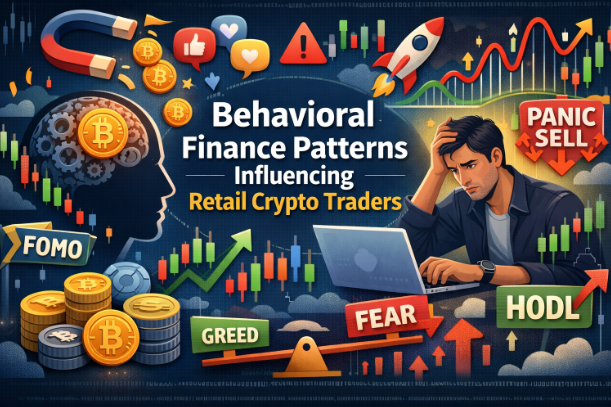
Introduction to Behavioral Finance
Behavioral finance is an interdisciplinary field that merges psychological theories with traditional financial analysis to better understand the decision-making processes of investors. This innovative domain of finance examines the ways in which cognitive biases and emotional influences skew the judgment of traders. Unlike classical finance, which typically presumes that all market participants behave rationally and make decisions purely based on available information, behavioral finance acknowledges that human psychology plays a significant role in financial decision-making.
One of the foundational concepts in behavioral finance is the idea that people do not always act in their best financial interest. Psychological phenomena such as overconfidence, loss aversion, and confirmation bias can lead investors to make irrational decisions. For instance, an investor exhibiting overconfidence might overestimate their ability to predict market movements, thereby increasing their risk exposure. Similarly, loss aversion can cause traders to hold onto losing assets for too long, hoping to recover their losses rather than cutting their losses and reallocating their capital to more promising investments.
This exploration of psychological influences is particularly pertinent in the realm of retail crypto trading, where market volatility and rapid fluctuations can amplify emotional responses. Retail traders, who often lack the experience and resources of institutional participants, can be particularly susceptible to such biases. Their decisions may be swayed by social media sentiment, peer influence, and market trends rather than objective analyses. Therefore, understanding behavioral finance becomes essential for retail traders aiming to navigate the complexities of cryptocurrency markets effectively.
Common Cognitive Biases in Crypto Trading
Cognitive biases significantly influence the decision-making processes of retail traders in the cryptocurrency market. One prevalent example is confirmation bias, where traders tend to seek out and give disproportionate weight to information that confirms their pre-existing beliefs about a particular cryptocurrency. For instance, if a trader believes that a specific coin will increase in value, they might focus solely on news articles, social media posts, or expert opinions that support this bullish view, while disregarding negative information that could indicate risk. This bias can lead to poorly informed trades and substantial financial losses.
Another common cognitive bias among crypto traders is anchoring. This occurs when individuals anchor their decisions based on specific reference points, often historical prices or previous performance. For example, a trader may mentally fixate on a past high price of Bitcoin, leading them to irrationally expect similar performance in the future. When the price drops, they may hold onto their investment longer than rational analysis suggests, hoping for a return to that anchored price. This fixation often leads to missed opportunities, as traders neglect other market signals that may indicate it’s time to sell.
Overconfidence is yet another cognitive bias observed in retail crypto traders. Many investors overestimate their knowledge and ability to predict market movements. This overconfidence can result in excessive trading, where traders frequently buy and sell based on their misguided belief in their expertise. For instance, a trader might confidently increase their exposure to a volatile altcoin because they have had a few successful trades, often ignoring broader market indicators that suggest caution. Such behavior can lead to devastating losses when the market shifts unexpectedly.
Herd Behavior and Its Impact on Trading Decisions
Herd behavior refers to the tendency of individuals to mimic the actions of a larger group, often leading to consequential decision-making in trading scenarios. In the context of retail crypto traders, this phenomenon becomes particularly pronounced due to the inherent volatility and rapid price fluctuations associated with cryptocurrencies. When traders observe others making specific moves in the market, they may feel pressured to follow suit, often disregarding their own analytical assessments.
The crypto market, characterized by its fast-paced nature, encourages herd mentality as information spreads quickly through social media platforms and online forums. Traders often witness dramatic price movements and, fearing that they might miss out on potential gains, they tend to buy or sell assets based on the prevailing sentiment rather than thorough analysis. This behavior can exacerbate existing price trends, causing sharp upward or downward movements that further entice others to join the fray. Such collective activity can lead to bubbles, where prices soar beyond intrinsic values, or crashes, where overreaction to negative sentiments can decimate asset values.
Moreover, herd behavior in the cryptocurrency market often leads to a cycle of confirmation bias, whereby traders selectively gather information that aligns with the prevailing market sentiment. This reinforcement of shared beliefs creates an echo chamber effect, amplifying irrational trading decisions. The emotional aspect of trading, combined with the urgency and fear associated with potential losses, solidifies herd behavior as a crucial factor influencing market trends. Hence, understanding this behavior becomes vital for traders who aim to make well-informed decisions amidst the tumultuous dynamics of the crypto landscape.
The Role of Emotions in Trading Decisions
Emotions play a pivotal role in the decision-making processes of retail crypto traders. These traders often find themselves navigating a highly volatile market, where prices can surge or plummet within minutes. This environment heightens emotional responses, which can significantly impact trading choices. One prominent emotional factor is the fear of missing out (FOMO), where traders panic as they perceive others profiting from sudden price increases. This anxiety can lead them to enter trades impulsively, often at unfavorable prices, contributing to a cycle of emotional trading.
Loss aversion is another crucial emotional factor affecting traders in the cryptocurrency market. According to behavioral finance principles, individuals tend to feel the pain of losses more intensely than the pleasure of gains. Consequently, retail traders may hold onto losing positions, hoping for a turnaround, rather than accepting a loss. This tendency can result in significant financial detriment, as traders become paralyzed by the fear of realizing their losses, often failing to act on informed strategies that could mitigate their risks.
Moreover, the intensity of emotions can lead to overtrading, where traders execute numerous transactions in a short period, driven by excitement or despair. This frequent trading often incurs additional transaction costs and may further compound losses. Emotional biases, such as overconfidence in trading decisions after a few successful trades, can also influence the judgment of retail traders. They may disregard market indicators and allow their emotions to dictate their strategies, ultimately worsening their trading performance.
Decision Fatigue and Its Effects on Traders
Decision fatigue is a psychological phenomenon that occurs when an individual is faced with numerous choices over a period of time, leading to a decline in the quality of decisions made. In the context of retail crypto traders, the vast array of cryptocurrencies, trading platforms, and investment strategies can be overwhelming. This inundation of options can result in suboptimal trading decisions, often leading to poor performance and increased stress.
The crypto market is characterized by its volatility and rapid changes, which necessitate quick thinking and timely decision-making. When traders experience decision fatigue, they may resort to simplifying their choices, which can result in hasty decisions rather than informed ones. For instance, a trader might neglect thorough analysis in favor of impulse trading, potentially leading to losses. Furthermore, the mental strain from continual decision-making can also cause traders to avoid making decisions altogether, resulting in missed opportunities.
To mitigate the effects of decision fatigue, traders can employ several strategies. First and foremost, establishing clear trading goals and parameters can significantly reduce the cognitive load associated with decision-making. By setting specific entry and exit points for trades, the need to constantly assess market conditions is minimized. Additionally, traders may benefit from limiting the number of cryptocurrencies they actively monitor or trade. By concentrating on a select few, they can allocate their mental resources more effectively.
Another useful technique involves scheduling regular breaks. Taking time away from continuous data analysis allows the mind to refresh, ultimately improving decision quality when traders return to the markets. Finally, maintaining a trading journal can help analyze past decisions, fostering reflective learning and reducing the likelihood of repeating costly mistakes. By recognizing the signs of decision fatigue and implementing these strategies, retail crypto traders can enhance their trading performance while navigating this complex landscape more effectively.
The Influence of Social Media and News Trends
In recent years, social media platforms and news trends have emerged as significant influences on the behavior of retail crypto traders. These platforms facilitate the rapid dissemination of both accurate information and misinformation, impacting perceptions and trading decisions in real time. Social media, including Twitter, Reddit, and various dedicated cryptocurrency forums, serve as avenues through which both retail traders and influencers share insights, speculations, and market trends. The immediacy of these communications leads to a sense of urgency, often resulting in impulsive trading actions.
Moreover, the viral nature of content shared on social media can amplify both positive and negative narratives surrounding specific cryptocurrencies or the market as a whole. Traders frequently rely on trending hashtags or community sentiments before making crucial investment decisions. The phenomenon known as “FOMO” (Fear of Missing Out) is particularly prominent; as traders observe others discussing significant gains or new innovations in the crypto space, they may hastily enter the market without conducting thorough research.
Similarly, news trends can significantly affect crypto valuations. Positive developments, such as institutional investments or technological advancements, often lead to surges in prices as retail traders react to optimistic news. Conversely, negative reports, including regulatory crackdowns or security breaches, can trigger widespread panic selling. The speed at which such information is circulated means that market responses can occur almost instantaneously, often leaving little time for traders to process the information logically.
This intricate dance between social media trends, news cycles, and trader behavior underscores the importance of discernment and critical thinking among retail investors. Understanding how these external factors influence decisions can empower traders to develop more effective strategies, minimizing the emotional impact of rapid market changes.
Case Studies: Behavioral Patterns in Action
Behavioral finance patterns significantly impact the trading decisions of retail crypto traders. An examination of specific cases can elucidate how emotions such as fear and greed, as well as cognitive biases, drive market behavior.
Consider the case of a retail trader who navigated the 2017 cryptocurrency boom. Initially, this trader was hesitant and cautious about investing. However, as Bitcoin’s price skyrocketed, an overwhelming fear of missing out (FOMO) took hold. This psychological trigger led to impulsive buying, resulting in substantial short-term gains. However, when the market correction occurred in early 2018, the same trader succumbed to panic selling, demonstrating loss aversion—an intrinsic behavioral finance concept. This case illustrates how emotional reactions can fundamentally alter investment decisions, often leading to unfavorable outcomes.
Another interesting case revolves around a group of traders during the 2020 DeFi (Decentralized Finance) summer. This period saw a surge in new projects and tokens, prompting widespread exuberance among holders. Many retail traders observed social media sentiment and the hype surrounding various altcoins, often falling into the bandwagon effect. They invested heavily without conducting proper research, driven by the cognitive bias of overconfidence. When many projects failed to deliver on promises, this herd mentality resulted in significant financial losses for those who failed to recognize the risk. This scenario underlines the importance of recognizing how social influences can affect decision-making processes.
These case studies reveal the complexities of trading behaviors among retail investors in the crypto market. Behavioral finance patterns, such as FOMO, panic selling, and the bandwagon effect, play a crucial role in shaping these traders’ experiences. Understanding these patterns can aid in developing more strategic, rational approaches to crypto trading.
Strategies for Overcoming Behavioral Biases
In the rapidly evolving landscape of cryptocurrency trading, retail traders often find themselves under the influence of various behavioral biases that can skew their decision-making processes. To counteract these biases, adopting effective strategies is essential. One viable technique is to enhance self-awareness. Retail traders must take the initiative to recognize their emotional responses to market fluctuations. This can be achieved by maintaining a trading journal, where traders can document their thoughts and feelings during trades. Reviewing these entries helps identify recurring patterns of behavior, enabling traders to develop a more rational approach.
Another practical strategy involves creating a comprehensive trading plan. This plan should outline specific entry and exit points, risk tolerance levels, and criteria for making trades. By having a well-defined strategy, retail traders can mitigate impulsive decisions driven by fear or greed. Moreover, a clear plan fosters discipline and enables traders to adhere to predetermined strategies regardless of market volatility. In addition, it is advantageous to incorporate risk management tools within the trading plan. Utilizing stop-loss orders is a crucial aspect of this, as it helps in protecting gains and minimizing losses.
Moreover, leveraging technology can significantly aid in reducing emotional decision-making. Various trading platforms now offer tools for setting alerts, which notify traders of significant market shifts without requiring constant monitoring. Furthermore, algorithmic trading systems can execute trades based on predetermined criteria, effectively removing the emotional element from the decision-making process. By combining these technologies with self-awareness practices and well-defined trading strategies, retail crypto traders can enhance their performance and minimize the detrimental effects of behavioral biases, leading to more sustainable trading outcomes.
Conclusion: Embracing Rationality in Crypto Trading
In the dynamic landscape of cryptocurrency trading, understanding behavioral finance emerges as a critical element for retail investors seeking to navigate the market effectively. Throughout this discussion, we’ve explored various behavioral patterns that often influence traders’ decisions, such as overconfidence, herd behavior, and loss aversion. Recognizing these psychological factors can empower individuals to approach their trading strategies with greater awareness and a more rational mindset.
The cryptocurrency market, characterized by its volatility and speculative nature, can induce emotional responses that cloud judgment. Retail traders must remain vigilant against the pitfalls of impulsive decision-making, which often leads to suboptimal trading outcomes. By integrating principles of behavioral finance, investors can cultivate a disciplined approach, prioritizing research and strategy over reactionary behaviors driven by market fluctuations.
It is essential for traders to develop a comprehensive understanding of their own psychological tendencies and biases, as well as those prevalent in the broader trading community. Embracing tools such as sound risk management practices and diversified investment strategies can significantly enhance one’s ability to make well-informed decisions. Furthermore, fostering a long-term perspective can alleviate the pressure to react to short-term price movements, promoting more rational trading decisions.
Ultimately, the journey toward successful crypto trading involves a balance between technical analysis and the psychological aspects of trading behaviors. By committing to increased self-awareness and education in behavioral finance, retail traders can aspire to minimize irrational tendencies and improve their trading outcomes in the cryptocurrency arena. The road to rationalized crypto trading is not merely about profits; it is a path towards informed decision-making, resilience, and sustained growth in an ever-evolving market.