





Introduction to Bitcoin and Its Importance
Bitcoin, first introduced in 2009 by an individual or group utilizing the pseudonym Satoshi Nakamoto, represents one of the pioneering concepts in the realm of cryptocurrencies. As a decentralized digital currency, it operates without the need for a central authority or intermediaries, making it a revolutionary alternative to traditional fiat currencies. This unique characteristic has significantly influenced its adoption and utility in the global financial landscape.
Designed to facilitate peer-to-peer transactions, Bitcoin offers lower fees compared to conventional money transfer services, particularly for international payments. As more individuals and businesses embrace this cryptocurrency for their transactions, its importance in facilitating global commerce and remittances continues to grow. With Bitcoin’s encapsulation of security and transparency through blockchain technology, it ensures that transactions are immutable and verifiable, establishing trust among users.
The growing acceptance of Bitcoin by various sectors—including technology, finance, and retail—demonstrates its potential not only as a medium of exchange but also as a store of value. Corporations are increasingly recognizing Bitcoin as a viable alternative asset, further embedding it into the mainstream financial ecosystem. As a result, understanding the functionalities, advantages, and the transaction fees associated with Bitcoin is crucial for anyone looking to navigate this evolving market effectively.
This blog post aims to elaborate on Bitcoin transaction fees, examining their implications for users and the broader impact on the cryptocurrency’s accessibility and usability. A comprehensive overview will clarify the mechanisms at play behind these fees, guiding potential users through the financial obligations associated with Bitcoin transactions.
What Are Bitcoin Transaction Fees?
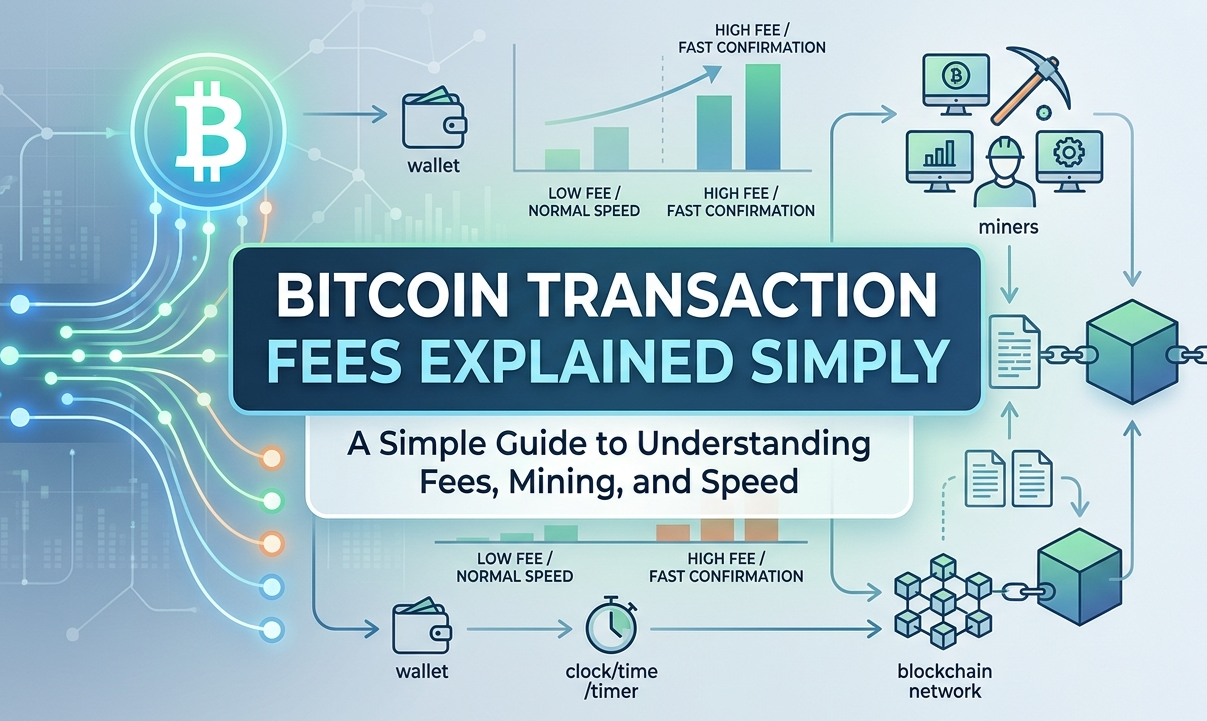
Bitcoin transaction fees are the charges that users pay to have their transactions included in the blockchain. These fees are not fixed and can vary according to the demand for processing transactions. When users initiate a Bitcoin transaction, they can specify a fee they are willing to pay to miners—those who validate transactions and secure the network. The higher the fee, the more likely a transaction will be prioritized by miners.
The calculation of Bitcoin transaction fees is based on the size of the transaction data in bytes and the current demand on the network. Each transaction occupies a certain amount of space in a block, and miners tend to select transactions that offer higher fees per byte, particularly during times of high congestion on the network. This means users may modify their transaction fees based on current network conditions, opting for higher fees to expedite processing or lower fees when the network is less busy.
Transaction fees serve several essential functions in the Bitcoin ecosystem. Firstly, they incentivize miners to allocate resources towards validating transactions. As mining can be resource-intensive, fees ensure that miners remain motivated to contribute their computational power, thus enhancing the network’s security. Moreover, transaction fees help manage the limited block size, as they influence the order in which transactions are processed. By creating a market for fees, the Bitcoin network permits users to adjust their costs according to their urgency for transaction confirmation.
Understanding Bitcoin Transaction Fees
Bitcoin transaction fees play a crucial role in the process of sending and receiving cryptocurrencies. These fees are determined by several factors, primarily by the size of a transaction in bytes and the demand for network resources at any given time. When users initiate a Bitcoin transaction, they have the option to specify a fee, which can impact how quickly their transaction is confirmed by miners.
Bitcoin transactions are bundled into blocks, which miners subsequently verify and add to the blockchain. Each block has a limited capacity, which creates a competitive environment among transactions vying for inclusion. Miners prioritize transactions that offer higher fees, as they receive these fees as part of their incentive for securing and validating the network. Therefore, during times of high demand, users may need to increase their transaction fees to ensure a speedy confirmation.
Fee estimation typically relies on historical data and can vary widely based on network congestion. Wallet applications usually calculate suitable fees automatically, allowing users to choose between multiple options depending on their urgency. Users looking for faster confirmations may opt for higher fees, while those willing to wait can select lower fees to save on costs. This flexibility ensures that Bitcoin remains accessible while optimizing prioritization among numerous transactions.
The dynamic nature of transaction fees encourages users to stay informed about network conditions. Various online tools and platforms offer real-time insights into average fees and suggested rates based on current network activity. Understanding how these fees work can enhance the efficiency of Bitcoin transactions and provide users with greater control over their cryptocurrency interactions.
Factors Influencing Bitcoin Transaction Fees
Bitcoin transaction fees are an essential aspect of the cryptocurrency ecosystem, directly influencing the speed and efficiency with which transactions are processed. Several factors play a crucial role in determining these fees, including network congestion, transaction size, and market demand.
Network congestion occurs when there is a high volume of transactions waiting to be confirmed on the Bitcoin network. During periods of increased activity—such as when there is a surge in trading or when a popular event occurs—transaction fees can rise significantly. This is because miners, who process and confirm Bitcoin transactions, prioritize transactions with higher fees. As more users compete to have their transactions confirmed, those willing to pay more are likely to see their transactions processed more quickly.
Another critical factor is the size of the transaction itself. Bitcoin transactions are measured in bytes, and more complex transactions require more data. For example, a transaction involving multiple inputs and outputs will take up more space compared to a simple single-input and single-output transaction. Consequently, larger transactions often incur higher fees as they require more resources from miners to verify and include them in a block.
Finally, market demand significantly influences Bitcoin transaction fees. When demand for Bitcoin increases, so does the number of transactions on the network, intensifying competition for block space. Users willing to pay higher fees can ensure they are prioritized by miners. Conversely, during periods of low demand, fees may decrease, allowing users to transact with minimal costs.
Understanding these factors is essential for users looking to manage their Bitcoin transaction fees effectively, ensuring timely and cost-efficient transactions in the dynamic cryptocurrency market.
How to Calculate Your Bitcoin Transaction Fee
Calculating the appropriate transaction fee for Bitcoin is essential to ensure timely confirmations without overpaying. The fee can fluctuate based on network demand, thus assessing the right amount is fundamental for effective transactions. Here’s a step-by-step guide to help you determine your Bitcoin transaction fee efficiently.
First, you should check the current average fees on the Bitcoin network. Websites like Blockchain.com and Mempool.space provide real-time data on transaction fees. These sites display current and historical data, helping you gauge the ideal fee for your transaction speed needs. There are also various wallets that integrate this data and suggest fees automatically based on the transaction size.
Next, understand the size of your transaction in bytes. Bitcoin transaction fees are calculated based on the transaction’s size rather than its value. You can use blockchain explorer tools to estimate the size of your transaction, which is crucial in calculating the total fee. The formula for calculating your transaction fee is: Transaction Fee = Transaction Size (in bytes) x Fee Rate (in satoshis per byte).
Once you have the transaction size, multiply it by an appropriate fee rate, which you can determine from the averages noted earlier. A higher fee may be necessary during network congestion if you seek quicker confirmation times. Conversely, if speed is not an immediate concern, a lower fee may suffice. Many wallets allow you to customize this fee, providing flexibility depending on network conditions.
Finally, always revisit the fee settings before finalizing the transaction. As network conditions change, the recommended fees can also fluctuate. Therefore, staying informed through available tools and settings will aid in maintaining cost-effectiveness while ensuring your Bitcoin transactions process smoothly.
Comparing Bitcoin Transaction Fees with Traditional Payment Systems
When considering the financial landscape, Bitcoin transaction fees present a unique alternative to traditional payment systems such as credit cards and bank transfers. Bitcoin operates on a decentralized network, meaning it does not rely on a central authority to facilitate transactions. This is a key distinction from traditional payment systems, where financial institutions often manage and process transactions, incurring various fees.
One of the significant advantages of Bitcoin is the lower transaction fees associated with cryptocurrency transfers. While credit card fees typically range from 1.5% to 3% of the transaction amount, Bitcoin fees can fluctuate based on network congestion but often remain more cost-effective for larger transactions. On average, Bitcoin fees may vary from a few cents to a few dollars, depending on demand, thereby providing a more transparent cost structure for users compared to the often obscure fee schedules of banks and credit card companies.
However, there are drawbacks to Bitcoin transactions that must be acknowledged. Transaction speeds can be slower than those of traditional payment systems, especially during peak times when the network becomes congested. This can result in extended waiting periods for transaction confirmation. In contrast, credit card transactions are processed almost instantly, offering immediate access to funds for the recipient. Additionally, traditional systems may provide consumer protection features such as chargebacks, which can be crucial in disputing fraudulent activities — a function that is largely absent in Bitcoin transactions.
In considering these factors, potential users of Bitcoin must weigh the benefits of lower fees against the foregoing challenges. Understanding these differences is essential for making informed decisions about payment methods. This context is vital for users transitioning to Bitcoin, as it helps highlight the overall landscape of transaction costs and user experience across both platforms.
The Impact of Bitcoin Fees on Users and Adoption
Bitcoin transaction fees play a crucial role in shaping the user experience and influencing the overall adoption of Bitcoin as a viable payment method. These fees are the incentivization mechanism for miners who validate transactions on the network. However, as the popularity of Bitcoin has surged, so too have the transaction fees associated with processing these transactions, particularly during peak usage periods.
High transaction fees can disproportionately impact users making smaller transactions. For instance, individuals wishing to use Bitcoin for microtransactions or small purchases may find the fees outweigh the benefits of using the cryptocurrency. This can result in less favorable perceptions of Bitcoin among potential users, thereby hindering its adoption as a commonplace payment option. When fees rise significantly, users seeking to transact smaller amounts may resort to alternative payment methods that carry lower fees, deterring them from using Bitcoin altogether.
Merchant acceptance of Bitcoin also hinges on transaction fees. Merchants considering the integration of Bitcoin as a payment option must evaluate the cost-effectiveness of accepting the cryptocurrency. If transaction fees are high, merchants might be reluctant to embrace Bitcoin, particularly for low-margin products or services. This creates a further barrier to Bitcoin’s widespread adoption as a mainstream transaction medium.
Moreover, the volatility in transaction fees can create uncertainty for users, which can be detrimental to Bitcoin’s image as a reliable currency. Users may hesitate to adopt Bitcoin if they cannot predict transaction costs, making it harder for Bitcoin to gain acceptance as a stable payment method. Therefore, addressing Bitcoin transaction fees is essential for enhancing user experience and fostering its broader acceptance among both consumers and businesses.
Future Trends in Bitcoin Transaction Fees
The landscape of Bitcoin transaction fees is continually evolving due to technological advancements and the wider adoption of cryptocurrencies. As the Bitcoin network grows, various innovations are being developed to enhance transaction efficiency and mitigate high fees that users often face. One such innovation is the Lightning Network, which is designed to facilitate off-chain transactions while retaining the security features of the Bitcoin blockchain.
The Lightning Network allows users to create payment channels between each other, enabling numerous transactions to be executed without congesting the main blockchain. This off-chain approach reduces the load on the Bitcoin network, substantially lowering transaction fees and improving speed. As this technology matures, it is expected that the overall cost of transactions will decline, making Bitcoin more accessible for everyday use.
Moreover, trends in scalability, such as Schnorr signatures and Taproot, are poised to optimize Bitcoin’s transaction structure. These technologies aim to allow multiple transactions to be bundled together, resulting in reduced data storage on the blockchain. Consequently, users may experience faster confirmations and lower fees as the efficiency of the network increases.
Furthermore, increased participation from institutional investors may influence the future of Bitcoin transaction fees. More sophisticated trading platforms and mechanisms could emerge, facilitating the flow of investments into Bitcoin, which would help diminish transaction costs through improved liquidity and lower volatility.
In summary, the future of Bitcoin transaction fees is likely to be shaped by technological advancements, an enhanced understanding of scalability, and increased institutional participation, all of which could contribute to more efficient and cost-effective transactions in the Bitcoin ecosystem.
Conclusion: Understanding Bitcoin Transaction Fees
In today’s digital economy, Bitcoin has established itself as a prominent cryptocurrency, facilitating peer-to-peer transactions without the need for intermediaries. However, one aspect that can often be overlooked by new users is the concept of Bitcoin transaction fees. These fees, which are paid to miners for processing transactions, play a crucial role in the Bitcoin ecosystem.
Throughout this article, we explored the factors influencing Bitcoin transaction fees, including network congestion, transaction size, and the overall volatility in the cryptocurrency market. A clear understanding of how these variables impact fees will enable users to make informed decisions when sending or receiving Bitcoin. For example, during periods of high demand, such as market rallies or significant news events, transaction fees may rise sharply, leading to increased costs for users aiming to have their transactions processed more quickly.
It’s also important to note that Bitcoin transaction fees are not fixed and can vary widely based on individual requirements for speed and priority. Users can often optimize their experience by selecting appropriate fee levels based on their urgency. Utilizing wallet software that provides fee estimation tools can significantly enhance the efficiency of transactions, ensuring that users can navigate the network without overspending on transaction costs.
As the Bitcoin network continues to evolve, so too will the dynamics surrounding transaction fees. Staying updated with current trends and tools will empower users to make the most of their Bitcoin transactions. As you embark on your journey with Bitcoin, consider these insights into transaction fees as you plan your transactions, aiming for a balance between cost efficiency and transaction speed.