




Introduction to Crypto Charting Software
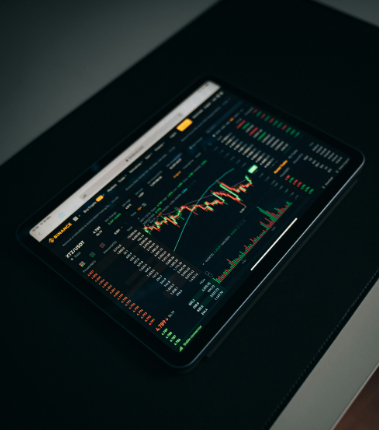
Crypto charting software serves as an essential tool in the trading and investment landscape, particularly within the volatile realm of cryptocurrencies. By providing users with the ability to visualize market data and identify trends through various technical indicators, these tools play a crucial role in enhancing decision-making processes for traders. The primary purpose of crypto charting software is to offer comprehensive insights into price movements, volume dynamics, and market conditions, allowing users to make informed trading choices based on analytical data.
High-performance charting tools often come equipped with a plethora of features that enhance their usability and effectiveness. Key features include real-time data feeds, customizable chart types, and a wide array of technical indicators such as moving averages, Bollinger bands, and Relative Strength Index (RSI), among others. The integration of social sentiment analysis and news feeds also helps traders understand the broader market context, adding another layer to their analysis. Such functionalities empower users to conduct both short-term and long-term analyses, catering to various strategies such as day trading or swing trading.
The significance of utilizing reliable crypto charting software cannot be understated. As the cryptocurrency market experiences rapid fluctuations, having access to accurate and timely data becomes paramount for success. Effective charting tools equip traders with the insights needed to navigate market challenges, capitalize on opportunities, and manage risks effectively. In essence, adopting high-performance crypto charting software is not merely a choice but a vital component of a trader’s toolkit aimed at achieving financial goals in an increasingly complex trading environment.
Importance of High-Performance Tools in Cryptocurrency Trading
In the fast-paced world of cryptocurrency trading, the use of high-performance charting software is essential for both novice and seasoned traders. These advanced tools enable users to analyze real-time market trends, making it possible to make informed decisions that can significantly impact trading outcomes. With the volatility of the cryptocurrency market, having access to efficient charting solutions can be the difference between profit and loss.
High-performance charting software provides traders with comprehensive data visualization features that allow them to identify trends, patterns, and potential entry and exit points. By interpreting complex market data through visually appealing charts, traders can react quickly to price movements. This capability promotes a proactive trading strategy, as traders can capitalize on fleeting opportunities that the market presents. Moreover, these tools often include indicators and trend analysis features that enhance market understanding and decision-making.
Real-world examples illustrate the importance of effective charting software in successful trades. For instance, a trader using a robust platform might recognize an upward trend in a specific cryptocurrency due to the insightful chart analysis it provides, prompting them to invest ahead of a potential price rise. In contrast, another trader without access to similar tools may miss this trend and subsequently lose out on profitable opportunities. Such scenarios highlight how high-performance charting software directly correlates with trading success.
Ultimately, as the cryptocurrency market continues to evolve and attract participants, leveraging high-quality charting tools will remain pivotal. The capability to conduct thorough market analysis not only enhances trading strategy but also fosters long-term profitability. Thus, integrating high-performance tools into the trading process is not just an option; it is a necessity for those seeking success in the cryptocurrency landscape.
Key Features to Look for in Charting Software
When evaluating crypto charting software, several key features are paramount to ensuring that the tool aligns with a trader’s specific requirements and trading strategy. The first essential attribute is real-time data feeds. High-performance charting software must provide real-time market data to enable traders to make informed decisions swiftly. Delayed information can lead to missed opportunities and financial losses, particularly in the fast-paced cryptocurrency market.
An equally important feature is the availability of customizable indicators. Every trader has unique strategies and preferences; therefore, charting software should allow users to adapt indicators based on their trading styles. This customization capability not only enhances usability but also empowers traders to pinpoint entry and exit points more effectively.
Usability is another critical factor to consider. A user-friendly interface can significantly enhance the trading experience, allowing users to navigate and access tools effortlessly. A steep learning curve can deter beginners and hinder experienced traders from executing their strategies efficiently. Therefore, look for software that balances advanced capabilities with intuitive design.
Backtesting capabilities are also vital. This feature allows traders to create and test trading strategies using historical data, giving them insight into potential performance without financial risk. Effective backtesting can inform future trades and improve overall strategy development.
Finally, the mobile compatibility of charting software cannot be overlooked. Given the increasing trend of mobile trading, having a responsive design ensures that traders can access their charts and make decisions on the go. The combination of real-time data, customizable features, user-friendly interfaces, backtesting options, and mobile accessibility makes for a comprehensive and effective charting software solution tailored to both novice and experienced crypto traders.
Comparison of Popular Crypto Charting Software
In the rapidly evolving world of cryptocurrency trading, having access to high-performance crypto charting software is essential for making informed investment decisions. Various charting platforms are available, each boasting unique features that cater to different trading styles and requirements. This analysis will highlight several prominent tools in the market, focusing on their respective offerings, usability, pricing, and user feedback.
One of the leading options is TradingView, known for its comprehensive charting capabilities and vast social networking features that allow users to share insights and strategies. Offering a free tier with limited functionality, its premium versions provide additional features such as advanced technical indicators and multi-device access, making it suitable for both novice and seasoned traders.
Another contender is Coinigy, which integrates multiple exchanges into one platform. Coinigy excels in its extensive charting tools and trading capabilities. Users appreciate its ease of navigation and seamless order execution across exchanges. Pricing may be on the higher side compared to some competitors, but many find the service worthwhile for its powerful features.
Cryptowatch by Kraken is appreciated for its user-friendly interface, providing a clean layout that is easy to navigate. Users can customize their charts and set alerts for price movements, making it appealing for traders who prefer simplicity without compromising functionality. This platform is available for free, although premium features unlock additional insights.
In contrast, CoinMarketCap serves a different purpose, primarily tracking prices and market capitalization data. Its charting capabilities are more basic than the others listed but are beneficial for users seeking to monitor market trends without in-depth analysis tools.
User feedback suggests that the best crypto charting software ultimately depends on individual needs, with some preferring more robust features while others value simpler interfaces. These makeshift comparisons assist traders in determining which platforms align best with their trading strategies.
User Experience and Interface Design
User experience (UX) and interface design are critical components in the effectiveness of high-performance crypto charting software. A well-designed interface not only facilitates the navigation of complex data but also enhances a trader’s ability to make swift and informed decisions. Essential to this experience is the software’s layout. A clean and intuitive layout allows traders to effortlessly access vital information without unnecessary distractions.
Effective crypto charting software should prioritize user-friendly features that simplify trading processes. For instance, customizable dashboards enable users to tailor their displays to focus on relevant metrics, such as price trends or volume changes. This personalization enhances usability, allowing traders to efficiently analyze market conditions. Furthermore, the integration of real-time data feeds is crucial; any delays in data updates can result in missed trading opportunities, underscoring the importance of a responsive interface.
Moreover, interactive charts play a significant role in user engagement. The ability to zoom in on specific time frames, as well as the option to apply different technical indicators, enables traders to conduct detailed analyses of price movements. These interactive elements empower users to gain deeper insights and develop informed trading strategies.
In addition to functional features, aesthetic considerations should not be overlooked. Clear visual hierarchies, appropriate color contrasts, and readable fonts contribute to a positive user experience. A software interface that is visually appealing can enhance a trader’s focus and minimize error rates during trading sessions.
In conclusion, the user experience and interface design are integral to maximizing the effectiveness of crypto charting software. A well-designed interface fosters efficiency and empowers traders to navigate the complexities of the cryptocurrency market while making timely trading decisions.
Integration with Other Trading Tools and Platforms
The ability to integrate crypto charting software with various trading platforms and additional tools is a crucial aspect that can significantly enhance a trader’s efficiency and productivity. Seamless integration allows traders to maintain a comprehensive view of their trading activities across several platforms, minimizing the chances of missing vital information and timely opportunities. By connecting their charting software with other trading applications, such as order management systems and analytical tools, users can achieve a cohesive trading experience that is both streamlined and effective.
One of the primary advantages of using integrated crypto charting software is the efficacy it brings to data analysis. Traders can access real-time data from multiple exchanges and sources, allowing them to perform technical analysis without toggling between disparate systems. This holistic perspective enables informed decision-making, as traders can visualize price movements, indicators, and trends in one unified environment.
Furthermore, the integration facilitates automation in trading strategies. Many traders rely on algorithmic trading systems that require constant data feeds. By using charting software that can automatically sync data with other tools, traders can execute orders based on predefined criteria without manual intervention, significantly reducing the response time in volatile markets. This not only streamlines their workflow but also enhances their competitive edge.
In addition to improving workflow efficiency, integrated trading environments foster collaboration among traders. Sharing insights, strategies, and real-time data across platforms becomes significantly easier when applications are interconnected. By leveraging the power of integration, traders can create a marketplace of ideas, contributing to a more enriqueced trading strategy.
Overall, the integration of high-performance crypto charting software with other trading tools and platforms is essential for any serious trader seeking optimization. It enables a more efficient workflow, facilitates better analysis, and encourages collaborative strategies, all of which contribute to improved trading outcomes.
Security Considerations for Crypto Charting Software
In the rapidly evolving landscape of cryptocurrency, security has emerged as a critical concern for both developers and users of crypto charting software. Given the sensitive nature of the data being handled, including financial transactions and trading strategies, protecting user information and ensuring data integrity are paramount. The implications of inadequate security measures can be severe, leading to significant financial losses and erosion of trust within the crypto community.
One of the primary considerations in evaluating crypto charting software is the implementation of robust data protection protocols. This includes the use of encryption technologies to safeguard data in transit, ensuring that any information exchanged between the user and the platform remains confidential. Developers typically employ advanced encryption standards (AES) and secure socket layer (SSL) protocols to provide an added layer of security. Regular updates to these encryption methods are also crucial to protect against emerging threats from malicious actors.
User privacy is another vital aspect that developers must prioritize. Transparency regarding data collection and usage policies is essential, as users should be aware of what information is being gathered and how it will be utilized. Implementing features such as anonymized user accounts and two-factor authentication (2FA) can further enhance user protection. These measures not only help to secure individual accounts but also mitigate the risk of unauthorized access.
Moreover, rigorous testing and compliance with industry standards set by regulatory bodies are necessary steps that software developers must take to safeguard their platforms. Regular security audits and vulnerability assessments can identify potential weaknesses in the software that require attention. The inclusion of incident response protocols also ensures that developers can swiftly react to any security breach, minimizing potential damage.
Overall, as the frequency of cyber threats continues to increase within the crypto space, the importance of security in crypto charting software cannot be overstated. By prioritizing data protection and user privacy, developers can foster a secure trading environment that inspires confidence among users while navigating the complexities of cryptocurrency markets.
Pricing Models and Subscription Options
When evaluating high-performance crypto charting software, understanding the various pricing models is essential to making an informed decision. These models generally fall into three main categories: free versions, one-time purchases, and subscription plans. Each option presents distinct advantages and limitations that can influence a user’s choice based on their trading needs and budget.
Free versions of crypto charting software often serve as an excellent starting point for novice traders. They provide fundamental features necessary for basic charting and analysis. However, users should be aware that these versions frequently come with limitations, such as restricted access to advanced charting tools, limited historical data, or the absence of customer support. For users who are not yet fully committed to cryptocurrencies or trading, free software can be an adequate choice until they decide to invest further.
In contrast, one-time purchase options offer users the chance to pay a lump sum for lifetime access to the software. This model can be appealing as it eliminates ongoing fees. However, potential buyers should carefully evaluate the software’s update policy, as ongoing support and new feature releases are less common with this pricing structure. Additionally, one-time purchases generally do not allow for trial periods, making it crucial to research and review the software before committing.
Subscription plans represent an increasingly popular choice, particularly among serious traders. These plans typically offer tiered pricing, allowing users to select a level of service that aligns with their needs and budget. Subscription models often include regular updates, enhanced features, and customer support, making them more appealing for individuals seeking high-performance capabilities. Nonetheless, it is crucial for users to consider the long-term costs associated with these subscriptions to ensure they are receiving adequate value for their investment. By weighing the available options, traders can select the software best suited to their financial strategies.
Conclusion: Choosing the Right Charting Software for Your Needs
In the realm of cryptocurrency trading, selecting the right charting software is crucial for achieving success. The variety of charting tools available can significantly influence your trading strategies and outcomes. It is essential to reflect on your trading goals, style, and preferences when evaluating these options. Each trader operates under unique circumstances, necessitating a careful assessment of which features align best with individual trading methods and requirements.
Throughout this guide, we have highlighted the critical features to consider when choosing high-performance crypto charting software, such as ease of use, functionality, support for various cryptocurrencies, real-time data access, and analytical tools. Whether you are a novice trader looking for straightforward platforms or an experienced trader requiring advanced charting capabilities, understanding these aspects can facilitate better decision-making.
Key takeaways include the importance of prioritizing software that supports your specific trading strategy, ensuring it has an intuitive interface, and evaluating the software’s reliability in providing real-time data. By doing so, you can enhance your trading experience and make informed decisions that align with your investment goals.
As you make your choice, consider engaging with trial versions of these charting tools, as they can provide firsthand experience and help you determine if the software meets your needs. Additionally, reviewing user feedback can offer valuable insights into the software’s performance.
With comprehensive evaluations in mind, we invite you to explore the various crypto charting software options available. Selecting the right software tailored to your needs can significantly impact your trading performance and overall success in the cryptocurrency market.