




Understanding Automated Trading Bots
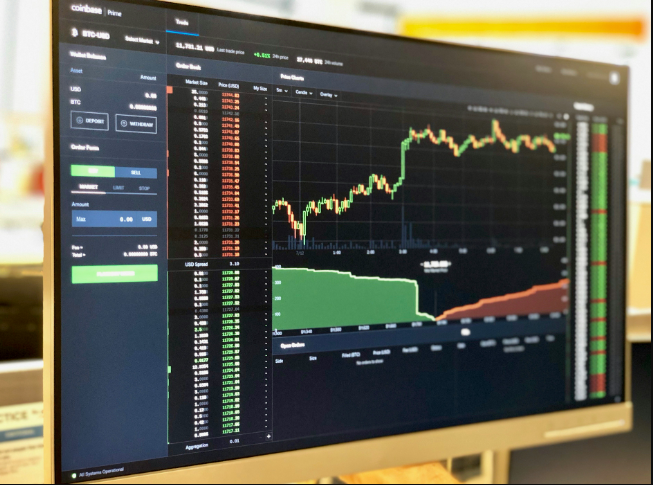
Automated trading bots represent an essential innovation in the cryptocurrency trading landscape, designed to enhance trading efficiency and accuracy. These bots operate on sophisticated algorithms that analyze vast amounts of market data to make informed trading decisions without human intervention. The primary purpose of these bots is to execute trades based on pre-defined strategies, allowing traders to optimize their trading outcomes in the often volatile crypto market.
The core functionality of automated trading bots revolves around their ability to assess market trends, detect price movements, and predict future price fluctuations. By employing advanced analytical techniques, these bots can quickly process real-time data, making them invaluable to traders who seek to capitalize on fleeting market opportunities. Unlike manual trading, which relies heavily on human discretion and emotional judgment, automated trading ensures that trades are executed consistently according to specific parameters set by the trader.
One of the key advantages of using automated trading bots over manual trading is their capacity to operate 24/7 without the need for breaks. This continuous operation enables traders to seize opportunities at any time, particularly in dynamic markets where conditions may change rapidly. Furthermore, automated trading bots can execute trades at a speed that is unattainable by humans, ensuring that traders can enter and exit positions at optimal prices. Additionally, these bots help mitigate the psychological impact of trading decisions, reducing the likelihood of emotional trading mistakes.
Moreover, the technology behind automated trading bots is continually evolving, with improvements in machine learning and artificial intelligence enabling more sophisticated market predictions and trade execution strategies. As the cryptocurrency landscape continues to develop, understanding the intricacies of these bots becomes increasingly important for traders seeking to enhance their trading efficiency and profitability.
The Importance of Optimization in Trading Bots
In the competitive landscape of cryptocurrency trading, optimization of automated trading bots has emerged as a crucial factor that can significantly influence their performance and profitability. To maximize trading strategies, it is essential to refine these bots through consistent optimization, ensuring they adapt effectively to the ever-changing market conditions. An optimized bot can notably improve decision-making processes, allowing traders to capitalize on market volatility more efficiently.
One of the primary benefits of optimization is its direct impact on profitability. For instance, an unoptimized trading bot may execute trades based on ineffective algorithms or outdated data, resulting in missed opportunities or even significant losses. In contrast, a well-optimized bot employs refined algorithms that respond promptly to market indicators, ensuring that trades are executed at optimal times. This ability to react swiftly can be the difference between a profitable trading experience and a detrimental one.
Moreover, optimization enhances trading speed, which is paramount in the fast-paced cryptocurrency market. A poorly optimized bot may suffer from lag in execution, thereby missing critical moments to purchase or sell assets. By leveraging advanced optimization techniques, traders can ensure their automated bots operate with minimal latency, granting them the upper hand in executing high-frequency trades.
Real-world examples underscore this point. For instance, a trading bot that consistently utilizes inefficient strategies may incur greater losses compared to a well-optimized counterpart that employs machine learning techniques to predict price movements. Conversely, many traders report significant gains after optimizing their bots, showcasing the importance of continual performance assessments. In conclusion, the vital role of optimization in automated trading bots cannot be overstated, as it measurably enhances profitability, decision-making, and execution speed for more favorable trading outcomes.
Key Metrics for Measuring Bot Performance
In the realm of automated trading, the evaluation of bot performance is a crucial aspect that traders must consider. Various metrics serve to provide a quantifiable assessment of how well a trading bot operates, enabling users to make informed decisions regarding their strategies and functionalities. Among the most significant metrics are return on investment (ROI), win rate, drawdown, and the Sharpe ratio, each offering unique insights into performance.
Return on investment (ROI) is one of the primary indicators of a bot’s effectiveness in generating profit relative to the initial investment. This metric helps traders understand how much they stand to gain or lose over a specific period, reflecting the bot’s capability in optimizing trading entries and exits. A high ROI signals a well-performing bot, while a low ROI may prompt users to reconsider their strategies.
The win rate is another essential metric that quantifies the percentage of successful trades made by the bot. A higher win rate generally indicates greater accuracy in trading decisions. However, it is vital to analyze this metric alongside others, as a high win rate with a low ROI could suggest that the gains from winning trades are minimal compared to the losses incurred from unsuccessful ones.
Drawdown measures the decline from a peak to a trough in the asset’s value, reflecting the risk associated with the bot’s trading strategy. By analyzing drawdown, traders can gauge the potential for loss during adverse market conditions, allowing for better risk management.
Lastly, the Sharpe ratio assesses the risk-adjusted return of a trading bot, providing insights into how much excess return one is receiving for the additional volatility endured. A higher Sharpe ratio indicates a more favorable risk-return profile.
By comprehensively considering these metrics, traders can effectively measure bot performance and refine their trading strategies to enhance profitability and minimize risk in the competitive crypto market.
Strategies for Bot Optimization
In the realm of automated trading, optimizing trading bots is essential for enhancing performance in the dynamic cryptocurrency market. This optimization includes various strategies such as parameter tuning, backtesting, and the implementation of machine learning techniques. Each of these strategies plays a significant role in the effective adjustment of settings and algorithms to maximize trading outcomes.
Parameter tuning is a critical first step in the optimization process. By fine-tuning the settings of the trading algorithm, traders can identify which parameters yield the most favorable results. This process may involve altering variables, such as stop-loss levels, take-profit targets, and indicators to strike a balance between risk and reward. It is important to approach this process systematically, using methods like grid search or randomized search to comprehensively explore the parameter space.
Backtesting is another vital strategy for bot optimization. It entails running the trading algorithm against historical data to evaluate its performance. This allows traders to assess the effectiveness of their strategies without risking capital in the live market. A critical consideration during backtesting is ensuring that the data used is representative of current market conditions, as past performance does not guarantee future results. Traders should also pay attention to overfitting, which can occur when a model is excessively complex and tailored too closely to historical data.
Incorporating machine learning techniques enhances the ability of trading bots to adapt and optimize in real-time. Algorithms can learn from previous trades and market conditions, improving their decision-making processes over time. While machine learning introduces additional complexity, it holds the potential to significantly improve the efficacy of trading strategies by enabling more informed predictions of market movements.
In conclusion, effective optimization of trading bots involves a multifaceted approach that includes parameter tuning, thorough backtesting, and the integration of machine learning. By employing these strategies, traders can enhance their automated bots’ performance, ultimately leading to better trading outcomes in the ever-evolving cryptocurrency landscape.
The Role of Backtesting in Optimization
Backtesting is a crucial component in the optimization of automated trading bots within the cryptocurrency market. It involves the process of simulating a trading strategy using historical market data to assess its effectiveness. By employing backtesting, traders can analyze how their trading algorithms would have performed under various market conditions before committing real capital.
The primary purpose of backtesting is to evaluate the viability of a trading strategy. This is achieved by applying the algorithm to past data and observing hypothetical outcomes. For example, traders may utilize market data spanning several years and simulate trades made by the bot under these conditions. Through this practice, it becomes possible to uncover strengths and weaknesses of the bot, as well as to determine whether adjustments are necessary for improved performance.
To conduct effective backtests, several best practices should be followed. Firstly, it is essential to utilize a robust dataset that reflects realistic market scenarios, including periods of high volatility and low liquidity. This enhances the credibility of the backtest results. Secondly, avoid overfitting the trading strategy to historical data. Overfitting occurs when a strategy is customized excessively to past data, resulting in poor real-time performance. A balance must be struck between optimization and generalizability.
Furthermore, it is also beneficial to incorporate a variety of performance metrics in backtesting. Instead of relying solely on profit factors, metrics such as the maximum drawdown, Sharpe ratio, and win/loss ratios can provide a more nuanced view of a bot’s performance. This comprehensive analysis formed through backtesting contributes significantly to the refinement and enhancement of automated trading bots, leading to more informed trading decisions when applied to real market conditions.
Common Pitfalls in Automated Trading Bot Optimization
Automated trading bots have gained significant traction among traders in the cryptocurrency market, primarily for their potential to execute trades based on predefined strategies efficiently. However, the optimization of these bots is fraught with challenges, and many traders fall victim to common pitfalls that can hinder performance.
One of the primary mistakes is overfitting the trading algorithm to historical data. While it might seem beneficial to tweak a bot to achieve exceptional results based on past price movements, this can lead to an algorithm that performs poorly in live trading conditions. When overfitted, the bot may learn noise rather than the underlying trends, resulting in significant losses when faced with real market dynamics.
Another prevalent issue is the failure to account for changes in market conditions. The cryptocurrency market is notoriously volatile and subject to rapid changes due to external factors such as regulatory news, technological advancements, and market sentiment. Automating a strategy without periodic reviews and updates can render a trading bot ineffective, as it fails to adapt to new market realities.
Technical misconfigurations also pose a significant risk. Even minor errors in the coding or setup of the trading bot can lead to unintended consequences, such as incorrect trade execution or excessive slippage. Traders should ensure that their trading environment is well-configured, thoroughly tested, and that the trading algorithms are free from bugs.
To avoid these issues, traders should approach automated trading bot optimization with a balanced mindset. It is crucial to perform thorough backtesting while being mindful of the risks of overfitting, continuously adjust strategies according to market conditions, and meticulously check technical setups before deploying any bot. By being aware of these pitfalls, traders can optimize their bots for more effective performance in the competitive landscape of the crypto market.
Real-World Case Studies and Success Stories
In recent years, the cryptocurrency market has become increasingly dynamic, prompting many traders to turn to automated trading bots for enhanced efficiency and precision. Several traders have successfully optimized their trading bots, leading to significant financial gains. Here, we highlight a few noteworthy case studies that demonstrate the efficacy of optimized automated trading solutions.
One successful example is that of a trader known as Alex Kim, who integrated advanced algorithmic trading strategies into his bot. By leveraging machine learning techniques, Alex was able to analyze vast amounts of market data, identify key price patterns, and execute trades with remarkable speed. His bot, named CryptoSmart, was optimized not only for profitability but also for risk management, enabling it to achieve an impressive 250% return on investment over a span of 12 months. Through rigorous backtesting and ongoing adjustments based on market conditions, Alex underscored the importance of continuous optimization in automated trading.
Another inspiring story is that of a group of traders who pooled their resources to develop a collaborative trading bot called TeamTrader. This bot was designed to take advantage of arbitrage opportunities across various exchanges. The team utilized a decentralized approach to optimize the bot, allowing real-time adjustments based on performance metrics and market trends. Within just six months, TeamTrader yielded an average monthly return of 18%, proving that collective wisdom and shared data can vastly improve trading bot performance.
These case studies illustrate that with the proper optimization techniques, traders can effectively harness the capabilities of automated trading bots. The successful strategies shared highlight the importance of continual learning, data analysis, and responsiveness to market fluctuations. By embracing these principles, more traders stand to benefit from enhanced financial outcomes, showcasing the transformative power of technology in today’s crypto markets.
Future Trends in Automated Trading Optimization
The landscape of automated trading optimization is continuously evolving, driven by advancements in technology, shifts in market dynamics, and the increasing sophistication of trading strategies. As we look ahead, several emerging trends stand out, shaping the future of automated trading bots in the cryptocurrency markets.
One significant trend is the integration of artificial intelligence (AI) and machine learning algorithms into trading bots. These technologies enable traders to analyze vast amounts of data with unprecedented speed and accuracy. By leveraging AI, trading bots can adapt to changing market conditions, learn from historical price patterns, and optimize their trading strategies in real-time. This dynamic capability represents a leap forward in automation, making trading bots more competitive in the fast-paced crypto market.
Another important direction is the increasing emphasis on data analytics and quantitative trading. As the crypto market continues to mature, the ability to process and interpret market data will become crucial. Automated trading solutions that harness advanced analytical techniques are expected to yield more accurate predictions and precise executions. Furthermore, as decentralized finance (DeFi) ecosystems expand, trading optimizations that cater to these platforms will gain traction, enabling traders to capitalize on new opportunities.
Finally, the rise of regulatory scrutiny in the cryptocurrency space is likely to impact automated trading. Compliance measures will require trading bots to incorporate risk assessment features and adhere to legal standards, affecting how optimization strategies are developed. In response, we are likely to see a proliferation of bot designs that prioritize compliance while maintaining efficiency. The interplay of these factors suggests a transformative phase for automated trading bot optimization, where adaptability and innovation will be paramount.
Conclusion and Key Takeaways
In conclusion, the optimization of automated trading bots in the cryptocurrency market emerges as a critical factor for success. Throughout this blog post, we have highlighted various strategies for enhancing the performance of these sophisticated trading systems. From adjusting trading parameters to implementing rigorous backtesting techniques, the need for continuous improvement is paramount. Each trader must engage in an ongoing process of optimization, where their strategies are regularly updated based on market conditions and personal performance metrics.
The cryptocurrency market is characterized by its volatility and ever-changing dynamics. As such, it is essential for traders to remain adaptable and proactive in refining their trading approaches. Automated trading bots can provide significant advantages, but their efficacy is contingent upon well-defined optimizations that align with the trader’s goals and risk tolerance. By embracing an iterative approach towards optimization, traders can harness the full potential of these tools, facilitating more informed trading decisions.
Moreover, learning from previous outcomes, both successes and failures, is vital. Each trade provides valuable insights that can inform future adjustments to trading algorithms. As traders delve deeper into the world of automated trading, they should prioritize education, keeping abreast of both market trends and technological advancements. This commitment to lifelong learning will enable them to evolve their strategies continually.
In essence, the journey of automated trading is not static; rather, it is an ongoing expedition characterized by constant learning, adaptation, and strategic refinement. By focusing on optimization, traders can enhance their performance in the competitive crypto landscape, ensuring they remain agile and informed amidst the rapid changes that define this market.