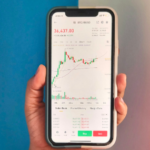






Introduction to Crypto Exchanges
Crypto exchanges play a pivotal role in the cryptocurrency ecosystem, acting as platforms where users can buy, sell, and trade various digital assets. These exchanges facilitate the liquidity of cryptocurrencies, allowing users to transition between fiat currencies and different cryptocurrencies. By connecting buyers and sellers, crypto exchanges are fundamental to the functioning of the blockchain economy.
There are two primary types of exchanges in the crypto market: centralized and decentralized. Centralized exchanges (CEXs) are managed by third-party organizations, which means they have the authority to control transactions and user information. Users typically create accounts on these platforms, depositing their funds to be traded. While CEXs often provide a user-friendly interface and enhanced performance, they are sometimes criticized for security vulnerabilities and the potential for regulatory issues due to their centralized nature.
Conversely, decentralized exchanges (DEXs) operate without a central authority, allowing users to trade cryptocurrencies directly with one another. This creates a more secure and private trading environment, as users retain control over their funds throughout the transaction process. DEXs do not require user accounts or personal information, which can be appealing for those valuing privacy. Nonetheless, they may pose challenges related to liquidity, user experience, and the complexity of use when compared to their centralized counterparts.
With these distinctions, it is essential to comprehend the operational mechanisms and implications of both centralized and decentralized exchanges. Understanding these differences enables users to make informed decisions about which platform best suits their investment strategies and risk tolerances, setting the stage for the comparative analysis that will follow.
Understanding Centralized Exchanges
Centralized exchanges (CEXs) play a pivotal role in the cryptocurrency trading landscape, acting as intermediaries where users can buy, sell, and trade digital assets. By operating under a centralized authority, these exchanges streamline the trading process, offering a manageable interface for users to engage with the complex world of cryptocurrencies.
One of the defining characteristics of CEXs is the requirement for users to create accounts on their platforms. This process involves verifying personal information and depositing funds to facilitate trading. Such procedures ensure that exchanges comply with regulatory standards, enhancing security but also necessitating trust in the intermediaries involved. The reliance on these intermediaries often makes for a user-friendly experience, as they provide essential services like order matching, trade execution, and liquidity provisioning.
The trading process on centralized exchanges is generally straightforward. Users can place orders for cryptocurrencies at market prices or set specific limits to optimize trade execution. Additionally, CEXs typically offer various trading pairs, enabling users to exchange one cryptocurrency for another seamlessly. On the security front, many centralized exchanges implement extensive measures, including encryption and two-factor authentication, to protect user assets and data; however, they remain prime targets for cyberattacks due to their centralized storage of funds.
Customer support is another vital aspect of centralized exchanges, with many platforms providing comprehensive assistance through chat services, email support, or extensive knowledge bases. Although the reliance on a centralized authority might raise concerns regarding transparency and control over funds, these platforms often attract users due to their convenience and accessibility.
Understanding Decentralized Exchanges
Decentralized exchanges (DEXs) represent a paradigm shift in the trading of cryptocurrencies, fundamentally differing from traditional centralized exchanges. Unlike their centralized counterparts, DEXs operate without a central authority, allowing users to trade directly with one another through a peer-to-peer model. This operational framework is realized through the use of smart contracts, which are self-executing contracts with the terms of the agreement directly written into code on the blockchain. This innovation ensures that trades can be conducted without intermediaries, providing a transparent and secure environment for users.
A crucial component of DEXs is the implementation of liquidity pools. These pools are essentially collections of funds locked in smart contracts, which allow users to provide liquidity for trading pairs. Instead of relying on order books as seen in centralized exchanges, DEXs utilize these pools to facilitate transactions, enabling more efficient trading and minimizing slippage. Users who contribute to liquidity pools are often rewarded with a portion of the trading fees, incentivizing participation and enhancing overall liquidity in the market.
One of the most significant advantages of decentralized exchanges is the enhanced autonomy they offer users. DEXs empower individuals to retain complete control over their funds, as private keys are held by the user rather than a third party. This model significantly reduces the risk of hacks and thefts that can often plague centralized platforms where user funds are stored in a centralized wallet. Furthermore, the user’s anonymity is preserved, as DEXs typically do not require extensive verification processes, allowing for greater privacy in trading activities.
Comparative Analysis: Security
When comparing the security features of centralized and decentralized exchanges (CEXs and DEXs), a range of elements merits consideration, especially in the context of the digital asset landscape. Centralized exchanges typically operate under a business model wherein user assets are stored in a centralized wallet managed by the exchange itself. This centralized control can lead to risks such as hacking and fraud. High-profile cases have demonstrated that centralized exchanges can be enticing targets for cybercriminals, given the substantial volume of assets they hold. If a CEX is compromised, users may lose access to their funds, often with limited recourse available for recovery.
Furthermore, users of centralized exchanges forfeit control over their private keys. This is a critical consideration, as the custodianship of private keys inherently signifies a degree of trust in the exchange’s security measures. Should the exchange be hacked or mismanaged, users face complete loss of their assets without any guarantee of restitution.
In contrast, decentralized exchanges offer an alternative approach to asset security, emphasizing user control and transparency. DEXs allow users to retain ownership of their private keys, minimizing the risks of hacking associated with custodial systems. However, while this decentralized model mitigates certain risks, it introduces unique challenges as well. Smart contracts, which are the backbone of DEX functionality, can harbor vulnerabilities due to programming errors or untested conditions. Exploits that take advantage of these vulnerabilities can lead to significant financial losses, demonstrating that security considerations in the cryptocurrency realm are multifaceted.
Ultimately, both centralized and decentralized exchanges present distinct security advantages and threats. Users must weigh these factors, aligning their choice of exchange with their security preferences and risk tolerance in the rapidly evolving world of cryptocurrencies.
User Experience in Centralized and Decentralized Exchanges
The user experience when trading on centralized versus decentralized exchanges varies significantly, impacting the overall efficiency and satisfaction of traders. Centralized exchanges (CEXs) typically offer a more streamlined experience, designed to cater to a wide range of users, from novices to seasoned traders. Their interfaces are often polished and user-friendly, providing features like intuitive navigation, fast onboarding processes, and responsive customer support. This focus on user experience makes it easier for individuals to engage in trading activities and to understand the complexities of cryptocurrency markets.
One significant aspect that enhances the user experience on centralized exchanges is the availability of fiat on-ramps. CEXs allow traders to deposit and withdraw traditional currencies seamlessly, enabling users to convert their fiat assets into cryptocurrencies without cumbersome processes. This feature reduces barriers for newcomers who may feel overwhelmed navigating the crypto landscape. Conversely, decentralized exchanges (DEXs) may lack these fiat integration options, forcing users to find alternative methods for acquiring digital assets, which can be an inconvenience for some.
When it comes to transaction speed, centralized exchanges typically outperform their decentralized counterparts. CEXs leverage powerful infrastructure and optimized processes that allow for swift transactions, which is crucial for traders looking to capitalize on market movements. In comparison, DEXs can face slower transaction times due to their reliance on blockchain technology and varying network conditions. Liquidity is another critical factor where centralized exchanges generally excel. With higher trading volumes and a broad user base, CEXs often provide tighter spreads and better market depth, as liquidity providers actively contribute to a more robust trading environment.
However, decentralized exchanges offer users additional benefits such as enhanced privacy and greater control over their funds, which can enhance the user experience for privacy-focused traders. Understanding these different aspects is essential for individuals when selecting which type of exchange to use based on their specific trading needs and preferences.
Comparative Analysis of Trading Fees
When evaluating trading platforms within the cryptocurrency domain, one critical factor that influences user choices is the fee structure associated with centralized and decentralized exchanges. Understanding these fees can greatly affect overall trading profitability and user satisfaction. Centralized exchanges, often known for their user-friendly interfaces, typically implement a tiered fee structure based on users’ trading volumes. This means that traders who execute larger volumes may enjoy significantly lower trading fees as they progress to higher tiers.
For instance, users might encounter trading fees ranging from 0.1% to 0.3% on centralized exchanges, which are relatively low compared to traditional financial platforms. However, these exchanges may also impose various additional charges, such as withdrawal fees, funding costs, and transaction fees, which can accumulate and impact net profits. With these multiple costs, users must consider not only the nominal trading fees but also the total financial obligations incurred on these platforms.
In contrast, decentralized exchanges present an alternative model where trading fees can vary significantly, depending largely on network conditions and the underlying blockchain platform. On decentralized exchanges, users are often subject to gas fees that fluctuate based on network congestion, which can lead to higher trading costs during peak times. Despite this variability, many traders are drawn to decentralized exchanges due to their lower trading fees and the appeal of maintaining direct control over their funds.
Furthermore, while centralized exchanges typically handle deposit fees, decentralized platforms may involve costs through smart contract interactions. This complexity necessitates careful consideration of fee implications by traders, who must balance the benefits of control and decentralization against potentially higher costs. Ultimately, an informed decision regarding choice between centralized or decentralized exchanges hinges not only on trading fees but also on the broader aspects of user experience and individual trading strategies.
Comparative Analysis: Regulatory Compliance
Regulatory compliance is a critical aspect of cryptocurrency exchanges, significantly affecting their operational frameworks and overall credibility. Centralized exchanges (CEXs) usually adhere strictly to regulatory requirements by implementing Know Your Customer (KYC) policies and anti-money laundering (AML) measures. These platforms often require users to provide personal identification documents before they can trade or withdraw funds, ensuring that their operations align with established financial laws. Such requirements enhance the platform’s trustworthiness among users and regulatory authorities but can deter those who prioritize anonymity in their cryptocurrency transactions.
On the other hand, decentralized exchanges (DEXs) typically operate with minimal regulatory oversight, allowing users to trade directly without the need for KYC documentation. This feature appeals to users who value privacy and decentralization. However, the lack of regulatory compliance can lead to increased risks, including exposure to money laundering and fraudulent activities. DEXs must navigate a complex legal environment, especially as governments worldwide consider regulating the burgeoning crypto space. As a result, while many DEXs promote a decentralized ethos, they may face scrutiny that could impact their adoption and sustainability in the market.
The implications of these contrasting approaches are significant. Centralized exchanges often experience enhanced user access due to their compliance with regulatory frameworks, which can attract institutional investors looking for secure trading environments. Conversely, the laissez-faire nature of decentralized exchanges might limit their mainstream acceptance, as potential users may hesitate due to the perceived risks associated with unregulated trading. Thus, the approach to regulatory compliance between centralized and decentralized exchanges fundamentally shapes user experience, platform effectiveness, and the broader acceptance of cryptocurrency as a legitimate financial system.
Advantages and Disadvantages of Each Model
Centralized cryptocurrency exchanges (CEXs) are typically user-friendly, offering streamlined interfaces and comprehensive support features. One significant advantage of these exchanges is their liquidity, which is essential for executing large trades effectively. CEXs facilitate quick transactions, allowing users to buy or sell cryptocurrencies instantly, thanks to their centralized nature, which enables a high transaction volume. Additionally, many centralized platforms provide enhanced security measures such as two-factor authentication and insurance protections, helping to mitigate some risks associated with holding crypto assets.
However, the reliance on a central authority comes with notable disadvantages. Primarily, CEXs require users to trust the exchange with their funds, making them vulnerable to hacking incidents or organizational mismanagement. Furthermore, users often face issues related to data privacy, as centralized platforms collect and store personal information. Regulatory scrutiny is also a concern, as changes in legislation can impact user experiences and operational capabilities.
On the other hand, decentralized exchanges (DEXs) present a distinct set of advantages. They operate without a central governing entity, allowing for greater user autonomy and privacy. Users retain control of their private keys, significantly reducing the risks associated with custodial storage of funds. DEXs also foster a more inclusive trading environment, supporting a broader variety of cryptocurrencies, including lesser-known tokens that might not be available on CEXs.
Nevertheless, DEXs have their downsides. The lack of a centralized authority can lead to issues related to liquidity, making it more challenging to execute large trades swiftly. Additionally, user interfaces on decentralized platforms may not be as intuitive, posing obstacles for newcomers to the crypto world. Moreover, due to their relative novelty, DEXs may expose users to greater risks associated with smart contract vulnerabilities, which could potentially lead to loss of funds.
Conclusion and Future Trends in Crypto Exchanges
The comparative analysis of centralized and decentralized crypto exchanges highlights several key takeaways. Centralized exchanges often provide enhanced liquidity, user-friendly interfaces, and a wider range of available services. However, these platforms face criticism regarding security vulnerabilities, regulatory scrutiny, and the centralization of user funds, which can expose traders to higher risks. On the other hand, decentralized exchanges offer greater control over assets, lower counterparty risks, and enhanced privacy. That said, they often grapple with issues such as lower liquidity, complex user interfaces, and an evolving regulatory landscape.
As the cryptocurrency market continues to mature, several trends are likely to emerge in the realm of both exchange types. Technological advancements such as improvements in blockchain scalability and the development of more sophisticated smart contracts could solidify the standing of decentralized exchanges, making them more efficient and user-friendly. This evolution may encourage further adoption among retail users, previously hesitant to participate due to usability concerns.
Regulatory developments also hold significant implications for both centralized and decentralized platforms. As governments around the world formulate clearer regulations for cryptocurrency trading, we may witness a shift in user sentiment. Centralized exchanges are likely to adapt more readily to compliance requirements, while decentralized exchanges may face challenges in ensuring user safety without centralized oversight.
Overall, the future of crypto exchanges will likely be marked by a blend of both centralized and decentralized models, serving varied user needs. As market participants navigate their options, ongoing innovation in technology and regulatory frameworks will play essential roles in shaping the evolution of crypto trading platforms in the coming years.