





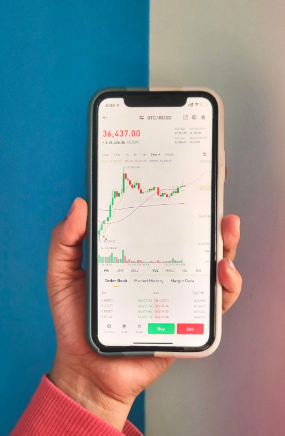
Introduction to Binance API and Trading Algorithms
The Binance API (Application Programming Interface) serves as a powerful tool for developers and traders looking to automate their trading strategies within the Binance ecosystem. The API provides access to various functionalities such as market data retrieval, order placement, and account management. Its high-level security and comprehensive documentation make it a preferred choice for implementing advanced trading algorithms that can operate efficiently in real-time market conditions.
Trading algorithms, in the context of financial markets, are automated systems designed to execute trades based on predetermined criteria. These algorithms can analyze vast amounts of data at high speeds, enabling traders to identify opportunities in the market that might be missed through manual trading. The main objective of implementing a trading algorithm is to enhance trading strategies by eliminating emotional biases and executing trades based on data and accurate calculations.
One of the most significant advantages of using trading algorithms with the Binance API is the ability to operate 24/7 without interruptions. This constant presence in the market allows traders to capitalize on price movements and volatility, even when they are not actively monitoring the markets. Additionally, trading algorithms can help reduce transaction costs through optimized order execution, leading to improved profitability.
Furthermore, trading algorithms can implement complex strategies such as market making, arbitrage, and trend following, thus diversifying the trader’s portfolio. By leveraging the functionalities of the Binance API, traders can build customizable algorithms tailored to their specific trading needs, ultimately enhancing their competitive edge in the cryptocurrency market.
Understanding Market Data and Trading Signals
In the realm of algorithmic trading, the importance of market data cannot be overstated. The Binance API provides a rich array of market data types essential for both novice and experienced traders. Primarily, it offers real-time price feeds, which include current prices for various trading pairs. This feature allows traders to track price movements minute-by-minute, aiding in timely decision-making. Additionally, the Binance API also supplies order book data, detailing the accumulation of buy and sell orders at various price levels. This information is critical in understanding market depth and liquidity, enabling traders to assess how much movement can be expected from their trades.
Alongside these, historical market data is an invaluable resource. It allows traders to analyze past price movements and patterns, aiding in the creation of predictive algorithms. Historical data encompasses a variety of time frames, ranging from minutes to days, allowing for flexible strategy development. By studying this data, traders can discern trends and reversals that may not be immediately apparent in real-time data.
To translate this data into actionable trading signals, several techniques are employed. Combining quantitative analysis with indicators, such as moving averages and RSI (Relative Strength Index), can provide insight into potential buy or sell points. Furthermore, algorithmic models can incorporate machine learning, which enhances their ability to detect patterns in real-time data. Such models can adjust to changing market conditions, improving the robustness of trading strategies.
In summary, understanding market data sourced from the Binance API, including price feeds, order book dynamics, and historical data, is vital. By effectively analyzing this data, traders can develop informed trading signals that enhance the performance of their automated trading algorithms.
Choosing the Right Algorithm for Trading Strategies
When engaging in algorithmic trading, the selection of an appropriate trading algorithm is pivotal to the overall success of any strategy. Different algorithms cater to various trading objectives and styles, thus understanding the nuances of each type is crucial. The primary types of trading algorithms include arbitrage, market making, trend following, and sentiment analysis, each serving distinct purposes in the trading landscape.
Arbitrage algorithms are designed to capitalize on price discrepancies across different markets or exchanges. These algorithms expedite the buying and selling process, ensuring that traders can exploit the short-lived opportunities created by fluctuations in asset prices. They are particularly effective in high-frequency trading environments, where speed is essential.
Market making algorithms, on the other hand, enable traders to provide liquidity to the market. By continuously placing buy and sell orders, these algorithms ensure that there is always an active market for various assets. This strategy not only helps in profiting from the bid-ask spread but also enhances overall market efficiency. Market makers benefit from stable market conditions, making them well suited for consistent trading activity.
Trend following algorithms focus on identifying and capitalizing on market trends. By analyzing historical price data, these algorithms seek to determine the direction of price movements, allowing traders to enter and exit positions based on anticipated trends. This approach is particularly advantageous for those looking to align their trades with prevailing market movements.
Lastly, sentiment analysis algorithms delve into market psychology by analyzing news articles, social media feeds, and other public sentiment sources. They help traders gauge market sentiment, which can be a powerful predictor of future price movements. Selecting an algorithm grounded in sentiment analysis may offer an edge, especially during periods of high volatility.
In essence, the choice of trading algorithm should reflect the trader’s specific goals, risk tolerance, and market conditions, enabling the development of a robust trading strategy aligned with individuals’ trading styles.
Setting Up Your Binance API Key and Environment
To implement advanced trading algorithms on Binance, the first essential step is to create a Binance account. Head over to the Binance website and register by providing your email address and creating a strong password. Following the registration, you will have to complete the identity verification process to enhance the security of your account and unlock full functionalities.
Once your account is set up, the next step involves generating an API key. Log in to your Binance account, navigate to the API Management section, which can typically be found under your account profile. In this section, you will be prompted to label the new API key and authenticate the action through two-factor authentication (2FA). It is important to save your API key and Secret key securely, as the secret key will only be shown once.
To ensure a secure environment for your trading algorithm implementation, consider using a development environment such as Jupyter Notebook or an Integrated Development Environment (IDE) like Visual Studio Code. This will enable you to write code efficiently and test your algorithms in real-time. Additionally, utilize environment variables to store your API keys safely instead of hard coding them directly into your scripts. This method protects your keys from being exposed in public code repositories.
Furthermore, it is advisable to set API restrictions within the Binance account settings to limit actions your API key can perform. This could include restricting access to certain IP addresses and limiting API operations, such as enabling only trade actions without withdrawal capabilities. By setting up your Binance API key securely and creating a suitable development environment, you will lay a strong foundation for successful trading algorithm implementation.
Implementing a Basic Trading Algorithm
To begin implementing a basic trading algorithm using the Binance API, you will need to first ensure that you have access to the Binance Trading platform and the necessary API keys. This section will provide a step-by-step approach to creating a simple trading logic that you can build upon.
1. Setting Up Your Environment: Before diving into the code, make sure you have Python installed on your computer. Additionally, you will need to install the Binance API client library, which can be done using pip: pip install python-binance This library will help facilitate communication with the Binance API.
2. Connecting to Binance: After installing the library, use the following code snippet to connect to your Binance account: from binance.client import Client Be sure to replace ‘your_api_key’ and ‘your_api_secret’ with your actual keys.
client = Client(api_key='your_api_key', api_secret='your_api_secret')
3. Defining Your Trading Logic: For a basic trading algorithm, let’s implement a simple moving average crossover strategy. This strategy advises buying when the short-term moving average crosses above the long-term moving average and selling when the opposite occurs. Below is an example of how you can calculate moving averages: import numpy as np
def get_moving_average(symbol, interval, period):
klines = client.get_historical_klines(symbol, interval, "{period} min ago UTC")
closes = [float(kline[4]) for kline in klines]
return np.mean(closes)
4. Executing Trades: To execute trades based on your strategy, use the Binance API functions to place buy or sell orders. For instance: client.order_market_buy(symbol='BTCUSDT', quantity=0.01) This will place a market order to buy 0.01 Bitcoin. Be mindful of the current market conditions and manage your trading risk appropriately.
5. Avoiding Pitfalls: Some common pitfalls include not properly handling exceptions or API rate limits which can lead to API bans or missed trades. It’s crucial to implement error handling and performance monitoring to ensure the reliability of your trading algorithm.
By following these steps, you can successfully implement a basic trading algorithm using the Binance API, laying the groundwork for more sophisticated strategies in the future.
Backtesting Your Trading Algorithm
Backtesting is a crucial step in the development of any trading algorithm, especially within dynamic environments like Binance API systems. It involves using historical market data to assess how a trading algorithm would have performed in the past, thereby offering valuable insights into its potential effectiveness. By running simulations over historical data, traders can understand the intricacies of their trading strategies and identify key performance metrics.
To commence the backtesting process, one must first gather comprehensive historical data relevant to the market and assets intended for trading. Binance provides extensive historical data through its API, which can be utilized to furnish the algorithm with real market conditions. It is essential to choose an appropriate time frame that reflects realistic trading scenarios; this may include both volatile and stable periods.
As the algorithm processes this historical data, various metrics should be evaluated. Common performance metrics include the Sharpe ratio, maximum drawdown, win-to-loss ratio, and total return. The Sharpe ratio helps ascertain the risk-adjusted return, while maximum drawdown informs potential risks associated with the strategy. Monitoring these statistics assists traders in pinpointing areas where their algorithm may falter or outperform expectations.
Based on the results obtained from backtesting, it is often necessary to iterate on the algorithm. This means refining trading parameters, strategies, or risk management rules. Such iterations are essential for enhancing the algorithm’s performance and resilience against changing market conditions. Iterative backtesting can lead to improved strategies, ultimately aiming for maximal profitability while minimizing risk.
Risk Management Techniques for Algorithmic Trading
In the realm of algorithmic trading, effective risk management is paramount to safeguard investments and enhance overall trading performance. Incorporating robust risk management techniques into trading algorithms can help mitigate potential losses and optimize profitability. One of the fundamental strategies in risk management is position sizing. This involves determining the appropriate amount of capital to risk on each trade based on various factors, including the trader’s overall risk tolerance and the volatility of the asset being traded. A well-defined position sizing strategy ensures that no single trade can jeopardize the trader’s entire account.
Moreover, the implementation of stop-loss strategies forms an integral part of risk management in algorithmic trading. Stop-loss orders allow traders to exit a position automatically when it reaches a predetermined price level, thus limiting potential losses. This automated exit strategy not only aids in capturing profits but also plays a crucial role in protecting capital under unfavorable market conditions. Setting the stop-loss level requires careful consideration of the market’s volatility and historical price movements, ensuring that it is neither too tight, risking premature exits, nor too loose, allowing for excessive losses.
In addition to position sizing and stop-loss orders, adjusting trading algorithms based on prevailing market conditions is critical. The financial markets are characterized by varying levels of volatility and liquidity, which can impact the performance of trading strategies. By incorporating dynamic adjustments to trading algorithms, such as reducing position sizes during high volatility or increasing them during stable market conditions, traders can effectively navigate the complexities of the market landscape. These adaptable risk management techniques are essential for sustaining profitability in algorithmic trading on platforms like Binance.
Monitoring and Maintaining Your Trading Algorithm
In the dynamic world of cryptocurrency trading, the performance of a trading algorithm can significantly fluctuate due to market conditions. Therefore, constant monitoring is essential to ensure that your trading algorithm operates efficiently and meets the expected objectives. One of the primary aspects of monitoring your algorithm is keeping an eye on performance metrics. Key performance indicators (KPIs) such as the algorithm’s win rate, maximum drawdown, and profitability ratio can provide invaluable insights about its efficiency. Regularly reviewing these metrics allows traders to determine whether the algorithm continues to function in alignment with their trading goals.
Another important element of algorithm maintenance is implementing timely updates. As market conditions evolve and new trading strategies emerge, your existing algorithm may require adjustments to stay competitive. This could include refining the algorithm’s parameters, adding new data sources, or employing advanced analytical techniques. Continuous backtesting is vital here, as it allows traders to simulate their strategies against historical data before deploying changes in live conditions.
Furthermore, being proactive about handling unexpected market events is crucial. During periods of high volatility, algorithms may behave unpredictably, necessitating real-time adjustment or temporary suspension of trading activities. It is also beneficial to establish alerts and notifications that can prompt immediate action when certain thresholds are reached. Additionally, integrating a feedback loop that allows the algorithm to learn from past trades can enhance its adaptability over time.
In conclusion, diligent monitoring and regular maintenance of trading algorithms are paramount for sustaining their effectiveness. By focusing on performance metrics, embracing timely updates, and being prepared for market fluctuations, traders can ensure that their algorithms remain robust and aligned with market realities.
Conclusion and Future Trends in Algorithmic Trading
In conclusion, the implementation of advanced trading algorithms on Binance API systems has proven to be a significant advancement in the world of trading. The systems we discussed leverage complex algorithms and machine learning techniques to analyze vast amounts of market data, execute trades with precision, and capitalize on market opportunities. Traders using these systems can benefit from reduced emotional bias, increased efficiency, and the capacity to execute trades at a speed unmatched by manual trading practices.
As we look to the future, several trends are likely to shape the landscape of algorithmic trading. The continued rise of artificial intelligence (AI) and machine learning (ML) will enhance the ability of trading algorithms to make predictions based on historical data patterns more accurately. Algorithms will increasingly adapt to market conditions in real-time, which could lead to a new era of dynamic trading strategies that are both responsive and resilient.
Moreover, the integration of blockchain technology and decentralized finance (DeFi) platforms presents exciting opportunities for algorithmic trading systems. By enabling peer-to-peer transactions and reducing reliance on traditional financial intermediaries, these technologies could allow for greater transparency, efficiency, and security in trading processes. Algorithmic traders may need to adapt their strategies to navigate these evolving digital landscapes effectively.
In essence, advances in technology and the continuous evolution of market dynamics will undoubtedly influence trading strategies on platforms such as Binance. As traders embrace these innovations, the potential for enhanced profitability and risk management will increase, emphasizing the importance of staying informed and adaptable in this rapidly changing field of algorithmic trading.