




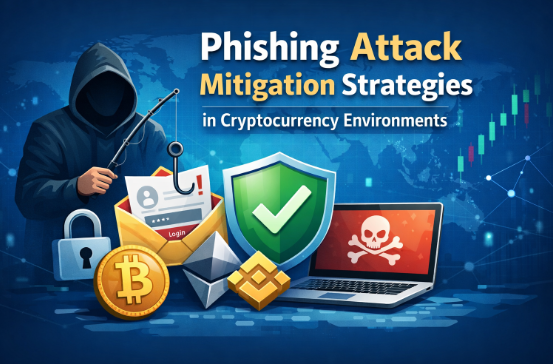
Introduction to Phishing in Cryptocurrency
Phishing attacks are a form of cybercrime where malicious actors impersonate legitimate entities to deceive individuals into providing sensitive information, such as passwords, credit card details, or personal identification numbers. In the context of cryptocurrency, phishing has evolved into a significant threat, exploiting the unique aspects of blockchain technology and the decentralized nature of cryptocurrencies.
Unlike traditional phishing, which often targets individuals through email or fake websites, cryptocurrency phishing can manifest in various forms, including deceptive websites, fraudulent software applications, and even social media impersonations. Attackers often create bogus websites that closely mimic well-known cryptocurrency exchanges or wallet providers. By luring individuals onto these sites, they can capture private keys and other critical data needed to access one’s cryptocurrency assets.
The prevalence of phishing attacks within the cryptocurrency landscape has risen dramatically in recent years. As the adoption of cryptocurrencies grows, so does the interest of cybercriminals looking to exploit unsuspecting users. Reports indicate that phishing attempts aimed at crypto investors have surged, reflecting the lucrative nature of digital currencies. Moreover, the lack of comprehensive regulations surrounding cryptocurrencies can make users more vulnerable, as many individuals are not fully aware of the security risks involved.
In conclusion, understanding the nuances of phishing in cryptocurrency environments is crucial for both new and experienced users. Recognizing how these attacks differ from traditional phishing methods is the first step in protecting one’s assets and ensuring a secure experience in the digital currency realm. As the cryptocurrency market continues to expand, so must the efforts to educate users about potential threats and mitigation strategies to safeguard their investments.
Understanding the Types of Phishing Attacks
Phishing attacks have become a prevalent threat in the cryptocurrency landscape, with various tactics designed to deceive users out of their digital assets. Understanding these types is crucial for anyone participating in the crypto market.
One of the most common forms of phishing is email phishing. In this method, attackers send fraudulent emails that appear to come from legitimate sources, such as cryptocurrency exchanges or wallet services. These emails often contain links that lead users to spoofed websites. For example, a user might receive an email claiming their account requires verification, directing them to a site that mimics a trusted exchange’s interface. Unsuspecting users who enter their login credentials may have their accounts compromised.
Spear phishing is a more targeted approach where attackers focus on specific individuals or organizations, often using information gathered from social media or previous interactions. For instance, an employee at a cryptocurrency company might receive a personalized email from an attacker posing as a colleague, asking for sensitive information. The targeted nature of spear phishing makes it particularly dangerous, as it can bypass general security awareness that users may have.
In addition, social engineering tactics are employed to manipulate individuals into divulging confidential information. This could occur through direct communication, where an attacker may call a user, posing as tech support from a cryptocurrency platform, and request sensitive information under the guise of helping the user recover their account. Such tactics exploit human psychology, making it essential for users to remain vigilant.
Overall, recognizing the different forms of phishing attacks—email phishing, spear phishing, and social engineering tactics—is fundamental for cryptocurrency users to protect themselves against potential threats.
The Impact of Phishing Attacks on Cryptocurrencies
Phishing attacks pose a significant threat to the integrity of cryptocurrency markets and the personal security of individual users. When successful, these attacks can result in severe financial losses, often with little recourse for victims. Unlike traditional bank fraud, transactions in the cryptocurrency realm are irreversible, meaning that once funds are transferred to malicious actors, they are typically lost forever. This attribute of cryptocurrency systems renders them particularly susceptible to phishing schemes, where attackers impersonate legitimate entities to steal sensitive information such as private keys or wallet credentials.
Financial losses from phishing attacks can vary widely, impacting not only individual victims but also the broader market. Large-scale breaches can lead to substantial sell-offs, eroding investor confidence and triggering market volatility. Such activities may lead to a ripple effect, causing prices to fluctuate unpredictably as investors react to the news. Consequently, successful phishing attacks can erode trust in cryptocurrencies, thus affecting overall adoption rates and hindering the industry’s growth potential.
Reputational damage extends beyond the immediate victims. Cryptocurrency exchanges and wallet providers that fall prey to phishing attacks may suffer severe public backlash. Users expect robust security measures, and when these are compromised, it can lead to long-lasting harm to the platform’s reputation. The fallout can result in decreased user engagement, loss of revenue, and even legal challenges as users seek restitution for their losses.
Additionally, the psychological impact on victims should not be underestimated. The loss of funds can lead to feelings of betrayal, anxiety, and fear, which can deter individuals from engaging in cryptocurrency transactions in the future. Victims may develop a lingering mistrust of electronic transactions, limiting their participation in an innovative financial landscape.
Recognizing Red Flags of Phishing Attempts
Phishing attacks represent a formidable threat within the cryptocurrency environment, and recognizing the red flags of these malicious attempts can greatly enhance user security. Scammers continually adapt their tactics to deceive unwitting victims, but several common indicators can help users identify potential phishing incidents.
One prevalent tactic employed by attackers is the creation of spoofed websites that closely resemble the authentic cryptocurrency platforms. These counterfeit sites often use similar logos, web addresses, and layouts, which can mislead users. Therefore, it is vital for individuals to carefully inspect the URL for any discrepancies. If there are slight variations or unfamiliar characters in the website address, this should immediately raise suspicion.
Moreover, phishing emails are frequently disguised to appear as official communications from reputable exchanges or wallets. Users should be cautious of unsolicited messages that request sensitive information, prompt urgent action, or contain links encouraging immediate login attempts. Legitimate organizations rarely ask users for personal data through email, thus any request for sensitive information should be seen as a significant warning sign.
Another common red flag is the presence of grammatical errors and awkward phrasing within the communications. Many phishing attempts stem from non-native speakers seeking to exploit unsuspecting users. If an email or message contains unusual language or formatting errors, it is prudent to question its authenticity.
Lastly, unfamiliar attachments or links requesting downloads may be part of a phishing scheme. These elements often contain malware, designed to compromise the user’s devices or personal details. Users should exercise extreme caution before interacting with any files or hyperlinks, especially those received unexpectedly.
By being mindful of these red flags, cryptocurrency users can foster a more secure environment, thus effectively mitigating the risk posed by phishing attacks.
Mitigation Strategies for Cryptocurrency Holders
In a rapidly evolving digital landscape, cryptocurrency holders must adopt robust mitigation strategies to safeguard their assets from phishing attacks. These malicious attempts target individuals seeking to access their cryptocurrency accounts through deceptive means. One of the most effective measures is the utilization of hardware wallets. Unlike software wallets, which may be vulnerable to online threats, hardware wallets store your private keys offline, significantly reducing the risk of exposure to phishing attacks.
Furthermore, employing two-factor authentication (2FA) can bolster security for accounts associated with cryptocurrency transactions. When combined with strong, unique passwords, 2FA provides an additional layer of protection against unauthorized access. It is advisable that users employ reputable 2FA applications, as some SMS-based 2FA solutions can be prone to interception.
Awareness and education are paramount in the ongoing battle against phishing scams. Cryptocurrency holders should familiarize themselves with common phishing techniques, such as spoofed emails or malicious links. Regularly scrutinizing email addresses, verifying URLs before clicking, and considering direct navigation to websites instead of relying on links can be beneficial practices.
Additionally, cryptocurrency holders must exercise caution when engaging in online forums or social media platforms. Scammers frequently exploit these channels to impersonate legitimate entities. It is crucial to recognize red flags such as requests for private information and offers that seem too good to be true.
Finally, keeping software, browsers, and security systems updated is a fundamental yet often overlooked aspect of protection. Updates frequently contain patches addressing vulnerabilities that could be exploited in phishing attacks. By remaining vigilant and implementing these strategies, cryptocurrency holders can greatly reduce their susceptibility to phishing threats and secure their digital investments.
Enhancing Security Protocols for Cryptocurrency Platforms
In the rapidly evolving landscape of cryptocurrency, exchanges and platforms play a crucial role in safeguarding user assets against an ever-increasing prevalence of phishing attacks. These attacks often exploit human vulnerabilities, necessitating a robust institutional approach to security. Implementing strict security protocols can significantly mitigate these risks, thereby enhancing user trust and engagement.
One primary measure is the incorporation of multi-factor authentication (MFA). By requiring users to verify their identity through multiple methods, such as text message codes or biometric scanning, platforms can create an additional layer of security that is difficult for attackers to bypass. Furthermore, the use of hardware security keys can provide another strong defense, offering an added dimension of protection that is not easily compromised.
Cryptocurrency platforms should also focus on proactive user education. Regular training and awareness programs can assist users in recognizing phishing attempts and understanding safe online practices. This initiative, when combined with clear communication strategies during security breaches, can effectively bolster platform integrity and user confidence.
Additionally, implementing stringent email verification practices is vital. Users should only receive communications from verified accounts and platforms should utilize email authentication protocols such as DMARC, DKIM, and SPF. These measures not only help prevent phishing attempts but also reinforce the legitimacy of the communications users receive.
Moreover, using advanced algorithms for threat detection can help identify suspicious account activities and phishing scripts. Machine learning systems can analyze historical data and user behavior to flag anomalies, allowing the platform to respond swiftly to potential threats. Such proactive measures can significantly deter attackers and safeguard user funds.
In conclusion, enhancing security protocols at the institutional level is essential for cryptocurrency platforms to protect users from phishing attacks. By implementing comprehensive strategies that include multi-factor authentication, user education, strict email verification, and advanced threat detection, cryptocurrency exchanges can create a secure environment for their users. Through these initiatives, the integrity of the cryptocurrency ecosystem can be significantly bolstered.
Education and Awareness Initiatives
In the rapidly evolving landscape of cryptocurrency, phishing attacks pose significant threats to users and organizations alike. Education and awareness initiatives are crucial in preventing these attacks by equipping individuals with the necessary knowledge to recognize and respond to potential threats. Promoting a culture of cybersecurity awareness within the cryptocurrency community can serve as a formidable defense against phishing schemes.
One effective educational initiative is the development and distribution of comprehensive training programs focused on cybersecurity best practices. These programs can be tailored for various audience levels, from beginners to advanced users. Topics might include understanding how phishing works, recognizing suspicious emails and messages, and employing secure practices when accessing cryptocurrency wallets or exchanges. Regular workshops and webinars can be hosted, featuring experts in cybersecurity who can share insights and answer questions from participants.
Another valuable approach is the utilization of informative materials such as brochures, infographics, and blog posts that explain the nature of phishing attacks in the context of cryptocurrency. Additionally, organizations should leverage social media platforms to disseminate timely alerts about new phishing tactics, aiding in real-time education. Collaboration with cryptocurrency exchanges and wallets can amplify these efforts by incorporating educational content directly into their platforms, thereby reaching users at critical junctures.
Moreover, gamification can play a role in enhancing learning experiences. By creating interactive simulations of phishing attempts, users can engage with scenarios that test their response to potential threats in a controlled environment. This method not only makes learning more enjoyable but also reinforces the skills needed to identify phishing attempts effectively.
Ultimately, increasing education and awareness among cryptocurrency users is a fundamental strategy for mitigating phishing attacks. By fostering a well-informed user base, the propensity for falling victim to such scams can be significantly diminished, thereby enhancing the overall security of the cryptocurrency ecosystem.
Case Studies of Phishing Attacks and Responses
In recent years, the cryptocurrency space has experienced a notable increase in phishing attacks, preying on inexperienced users and established investors alike. One prominent example occurred in 2021, when a large cryptocurrency exchange fell victim to a sophisticated phishing scheme. Attackers created a fraudulent site mimicking the exchange’s interface, tricking users into entering their account credentials. As a result, numerous individuals lost substantial amounts of funds. Following this incident, the exchange implemented more stringent security protocols and initiated an extensive user education campaign to raise awareness about phishing tactics.
Another significant case involved a popular cryptocurrency wallet, where attackers employed a method known as “social engineering.” They contacted users through official-looking emails, requesting account verification. Many users, believing the communication was legitimate, unknowingly provided sensitive information. The wallet developers responded by enhancing email filters to flag potentially malicious communications and offered additional security features to users, such as two-factor authentication (2FA). This attack underscored the importance of verifying the authenticity of communications before responding.
Furthermore, in the Defi lending space, a major phishing attack targeted a decentralized finance platform, resulting in severe financial losses for several users. The attackers exploited vulnerabilities in the platform’s communication channels to trick users into approving transactions that drained their accounts. In the aftermath, the platform conducted a comprehensive security audit and advised users to exercise caution when clicking links provided in correspondence. These case studies of phishing attacks illustrate common vulnerabilities within the cryptocurrency environment and highlight the critical need for continuous user education and proactive security measures.
Conclusion and Future Outlook
As the cryptocurrency landscape continues to evolve, so too does the threat of phishing attacks. This blog post has highlighted the various strategies that can be employed to mitigate the risk posed by cybercriminals targeting cryptocurrency users. We examined the importance of education, awareness, and the adoption of strong security measures, such as two-factor authentication and the use of hardware wallets. These practices are pivotal in safeguarding digital assets against malicious attempts to deceive users.
The rise of phishing in cryptocurrency environments is indicative of a larger trend in online security threats, where increasingly sophisticated techniques are used by attackers. For instance, phishing attacks are now often coupled with social engineering tactics to manipulate individuals into divulging their sensitive information. This emphasizes the need for continued vigilance on the part of users and organizations in the cryptocurrency sector. Moreover, as more individuals enter the cryptocurrency market, the pool of potential victims expands, making education and awareness efforts even more crucial.
Looking ahead, it is vital for stakeholders within the cryptocurrency ecosystem to not only stay informed about emerging threats but also to collaborate on best practices for security. The development of advanced anti-phishing technologies and the implementation of regulatory frameworks can play a significant role in curbing the effectiveness of such attacks. Furthermore, the community must foster a culture of transparency and support, where individuals feel encouraged to report phishing attempts and share knowledge on security measures.
In conclusion, while the challenges posed by phishing attacks in cryptocurrency environments are formidable, a proactive approach that combines education, technology, and community support can significantly enhance user security and resilience against malicious activities. The ongoing evolution of cyber threats necessitates continuous adaptation and an unwavering commitment to security practices.