

Understanding NFTs: A Brief Overview
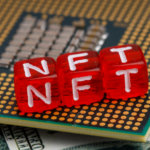
Non-Fungible Tokens (NFTs) represent a significant innovation in the digital landscape, reshaping how ownership and value are perceived online. Unlike cryptocurrency, which is fungible and can be exchanged like-for-like, NFTs are unique digital assets that cannot be exchanged on a one-to-one basis. Each NFT possesses distinct information or attributes that make it irreplaceable, allowing it to signify ownership of a specific item, whether it be digital art, music, in-game assets, or even virtual real estate.
The underlying technology of NFTs is blockchain, a decentralized ledger that ensures transparency and security for transactions. When an NFT is created or minted, it is registered on the blockchain, permanently documenting its origin and ownership history. This process not only verifies authenticity but also provides assurance to buyers regarding the legitimacy of their purchases in an era where digital reproduction is rampant.
In terms of significance, NFTs have garnered widespread attention for their role in empowering creators, allowing artists and content creators to monetize their work directly through sales of digital collectibles. The NFT ecosystem has enabled seamless transactions, giving artists control over their intellectual property and eliminating intermediaries that traditionally benefit from sales. Additionally, NFTs foster community engagement, as ownership often confers access to exclusive events, content, or experiences.
As the NFT market continues to evolve rapidly, understanding its core elements is crucial for anyone interested in navigating this newly emerging digital frontier. Whether one is an artist, collector, or investor, a foundational grasp of NFTs—including their characteristics, the technology behind them, and their impact on economies—will enhance one’s ability to make informed decisions in this dynamic space.
The Importance of Keywords in the NFT Space
In the rapidly evolving world of Non-Fungible Tokens (NFTs), the utilization of keywords has emerged as a fundamental aspect for creators, collectors, and enthusiasts alike. Keywords serve as the bridge between the immense digital landscape and the specific audience seeking NFT-related content. By optimizing content with relevant keywords, stakeholders in the NFT space can significantly enhance their visibility on search engines and social media platforms.
The identification and implementation of effective keywords allow NFT creators to articulate their offerings clearly and efficiently. In a sector characterized by a plethora of digital assets, being discoverable is vital. When prospective buyers search for particular NFTs, using the right keywords ensures that their listings or related articles appear prominently in search results. This is not only beneficial for individual sales but also helps in building a recognizable brand within the NFT community.
Moreover, for NFT enthusiasts looking for information or community engagement, keywords help to filter content that aligns with their interests. For instance, terms like “digital art,” “cryptocollectibles,” or “blockchain technology” can direct users to relevant discussions and resources. Consequently, effective keyword usage supports a more informed and interconnected ecosystem.
Furthermore, social media platforms have integrated keyword searches to a significant extent, allowing users to find posts, images, and discussions tied to specific NFT topics effortlessly. Creators and marketers can harness hashtags and keyword phrases to extend their reach beyond organic search engine traffic. This versatility in how keywords are applicable across various platforms amplifies their importance in any NFT-related strategy.
In essence, the art of keyword optimization in the NFT space is not merely about improving search rankings; it is about enhancing interaction and comprehension among digital art enthusiasts and collectors. Their role as a tool for better communication cannot be overstated, making them indispensable in the realm of NFTs.
Top NFT Keywords Explained: What They Mean
Understanding the terminology surrounding non-fungible tokens (NFTs) is crucial for anyone venturing into the digital asset landscape. Here, we explore 25 essential NFT-related keywords, offering clear definitions and practical examples to enhance comprehension.
1. NFT: A non-fungible token is a unique digital asset that represents ownership of a specific item or piece of content, recorded on a blockchain.
2. Blockchain: A decentralized digital ledger that securely records transactions across multiple computers, ensuring transparency and security.
3. Smart Contract: Self-executing contracts with the terms of the agreement directly written into code, facilitating the creation and management of NFTs.
4. Minting: The process of creating new NFTs, which involves uploading digital assets to a blockchain.
5. Gas Fees: Transaction fees paid to miners for processing transactions on the blockchain, particularly relevant during the minting of NFTs.
6. Marketplace: An online platform where NFTs are bought, sold, and traded, such as OpenSea or Rarible.
7. Token Standards: Protocols governing the creation of NFTs on a blockchain, with ERC-721 and ERC-1155 as notable examples.
8. Wallet: A digital tool used to store, send, and receive NFTs and cryptocurrencies.
9. Provenance: The history of ownership of an NFT, crucial for establishing authenticity and value.
10. Utility: The practical applications of an NFT, including access to exclusive content, events, or rights.
11. Airdrop: The distribution of free NFTs to existing holders or new users as part of promotional efforts.
12. Royalties: Payments made to the original creator whenever their NFT is sold in the secondary market.
13. Decentralized Autonomous Organization (DAO): An organization represented by rules encoded as a computer program, which may include NFT voting rights.
14. Rarity: A measure of how unique or scarce an NFT is, impacting its desirability.
15. Virtual Reality (VR): A simulated experience that can be augmented with NFTs, offering immersive environments for owners.
16. Augmented Reality (AR): Technology that overlays digital information onto the real world, enhancing the experience of NFTs.
17. Collectible: An NFT that is designed to be collected, often featuring artwork, music, or moments from sports.
18. Play-to-Earn: A gaming model where players earn NFTs by participating in gameplay.
19. Interoperability: The ability of NFTs to function across various platforms and blockchains.
20. Fractionalization: The practice of dividing ownership of an NFT into shares to allow multiple investors to own a fraction of a high-value asset.
21. Metadata: Information embedded within an NFT that provides context about the digital asset it represents.
22. Whitelist: A predetermined list of individuals or entities that are granted access to an NFT project before general sales.
23. Fork: A split in the blockchain that can create distinct versions of NFTs or marketplaces.
24. Community: A group of individuals actively engaged with NFT projects, contributing to their development and promotion.
25. Roadmap: A strategic plan outlining the development timeline and goals for an NFT project.
Mastering these keywords will greatly enhance your understanding of the NFT ecosystem and facilitate a more informed engagement with this rapidly evolving space.
How to Effectively Use NFT Keywords
In the rapidly evolving world of Non-Fungible Tokens (NFTs), utilizing the right keywords is crucial for maximizing visibility and engagement within the community. Effective keyword incorporation can facilitate improved content creation, marketing strategies, and community networking. Below are some best practices for leveraging NFT keywords in your endeavors.
First and foremost, it is essential to conduct thorough keyword research that aligns with current trends in the NFT space. Tools such as Google Trends, SEMrush, or keyword suggestion tools can help identify popular and relevant keywords associated with NFTs. Once you have compiled a list of effective keywords, aim to integrate them naturally throughout your content. This includes blog posts, social media updates, and even networking messages. Keyword integration is not solely about including terms related to NFTs but also about contextual relevance, enhancing the likelihood of attracting your target audience.
Additionally, consider using long-tail keywords, which are often less competitive and more specific. Phrases like “how to create NFTs” or “top NFT marketplaces” can draw a targeted audience searching for particular information. Incorporating these terms into your SEO strategy can enhance the quality of your content and improve your position in search engine results.
Another best practice is to leverage NFT keywords in your metadata, including titles, descriptions, and tags. Properly optimized metadata can significantly increase the chances of your content being discovered. When creating pithy headlines or engaging descriptions, ensure they are concise while incorporating relevant NFT keywords.
Moreover, participating in forums and communities focused on NFTs provides a unique opportunity to share your insights and content. By naturally incorporating keywords in your discussions or contributions, you can establish authority within the community, which may guide more users toward your work.
In conclusion, mastering the effective use of NFT keywords is fundamental for anyone looking to enhance their presence in the NFT space. By focusing on research, natural integration, long-tail keywords, and strategic metadata usage, you can optimize your content to better engage your target audience and expand your networking opportunities.
Case Studies: Successful Use of NFT Keywords
In the rapidly evolving landscape of non-fungible tokens (NFTs), the effective utilization of keywords is pivotal for brands and individuals seeking optimal visibility and engagement. Case studies of successful marketing strategies reveal how well-chosen NFT keywords can significantly enhance a brand’s marketplace presence.
One notable example is the luxury fashion brand Gucci, which effectively embraced NFT keywords as part of its marketing approach. By conducting targeted campaigns that leveraged terms like “digital collectible” and “blockchain fashion,” Gucci positioned itself at the forefront of the NFT revolution in the fashion sector. The brand launched a digital sneaker line, integrating preventive keywords that not only appealed to their audience but also captured the attention of NFT enthusiasts. As a result, Gucci garnered considerable media coverage and consumer interest, demonstrating the potency of strategic keyword incorporation.
Another prominent case is that of the digital artist Beeple, who achieved international acclaim through his utilization of NFT keywords during the sale of his artwork. Beeple’s choice of keywords such as “limited edition” and “cryptographic provenance” played a crucial role in attracting potential buyers and collectors. By positioning his work within the broader context of NFT-related discussions, he amplified his reach, ultimately leading to the sale of his digital piece for a staggering $69 million. This case serves as a prime illustration of the impact that optimal keyword selection can have on marketability and pricing.
Similarly, sports organizations like the NBA have successfully leveraged NFT keywords to enhance fan engagement. The NBA Top Shot platform employs terms like “moments” and “digital highlights” in its marketing campaigns. This strategic use of keywords not only caters to existing basketball fans but also entices new audiences interested in the growing NFT space. The result has been a thriving marketplace where sports fans can buy, sell, and trade moments, underscoring the effectiveness of keyword implementation.
Tools for Finding NFT Keywords
In the rapidly evolving market of Non-Fungible Tokens (NFTs), it is essential for individuals and businesses to effectively identify and analyze relevant keywords that can enhance their visibility and competitiveness. Various tools and resources are available in the market, catering to different needs and budgets. This section provides a brief overview of some notable tools, both free and paid, which can assist in the process of finding NFT-related keywords.
One of the most popular free tools for keyword research is Google Keyword Planner. This essential tool offers insights into keyword search volumes and trends over time, making it a valuable asset for those looking to explore terms related to NFTs. By inputting general terms such as “NFT art” or “digital collectibles,” users can generate a list of related keywords and their corresponding search data.
An alternative free resource is Ubersuggest. This tool helps users find keyword suggestions along with search volume, cost-per-click estimates, and competition level. It can be particularly useful for gaining insights into what NFT-related terms are gaining traction over time, allowing users to tailor their content strategies accordingly.
For those willing to invest in premium services, Ahrefs is a comprehensive tool that specializes in SEO and keyword research. It provides extensive data on keyword difficulty, click-through rates, and related keywords, making it a powerful asset for those seeking to refine their NFT keyword strategy. Additionally, SEMrush is another premium tool that offers extensive capabilities for keyword analysis, including the ability to track competitors’ keyword usage, which can be particularly beneficial in the dynamic NFT space.
Finally, AnswerThePublic serves as a unique, visually engaging resource that generates questions, prepositions, and comparisons related to input keywords. It can be especially helpful in uncovering the types of inquiries potential customers might have regarding NFTs, informing content creation that resonates with audience needs. In conclusion, leveraging these tools can greatly facilitate the identification and analysis of NFT-related keywords, enhancing digital marketing strategies within this niche marketplace.
The Future of NFT Keywords and Trends to Watch
The landscape of Non-Fungible Tokens (NFTs) continues to evolve at an unprecedented pace, making it essential for industry participants to stay attuned to upcoming trends. As the NFT ecosystem matures, so too will the language we use to describe it. The keywords associated with NFTs will likely experience significant shifts, driven by technological advancements, regulatory changes, and cultural adaptations.
One prominent trend is the increasing focus on utility NFTs. As the market expands, keywords that encapsulate the practical applications of NFTs in various sectors will gain traction. For instance, concepts like “tokenized assets” or “NFT-based memberships” may emerge as common vernacular. This evolution signifies a shift away from solely collectible NFTs towards applications that confer real-world benefits, thereby attracting a broader audience.
Moreover, the integration of NFTs within decentralized finance (DeFi) platforms offers a fertile ground for new keyword development. Terms such as “liquid NFTs” or “collateralized NFTs” may soon become staples in discussions, reflecting the financial innovations that blur the lines between conventional finance and digital assets.
Sustainability is another critical factor influencing the NFT narrative. As awareness around environmental concerns grows, keywords related to “eco-friendly NFTs” or “green minting” are likely to emerge. This shift will not only reflect public sentiment but also influence creators and platforms to adopt more sustainable practices in their NFT offerings.
Finally, community-centric aspects of NFTs, such as “social tokens” or “creator economy,” can also reshape keyword usage. These terms will likely become increasingly relevant as the focus shifts toward decentralized communities and creator-led initiatives, underscoring the pivotal role of authentic interaction in the NFT space.
In conclusion, the evolution of NFT keywords will be significantly influenced by emerging trends such as utility, financial integration, sustainability, and community engagement. Keeping abreast of these shifts will be crucial for stakeholders aiming to navigate the rapidly changing NFT landscape effectively.
Common Mistakes When Using NFT Keywords
When venturing into the world of Non-Fungible Tokens (NFTs), selecting effective keywords is essential for reaching your target audience. However, individuals often make several common mistakes that can hinder their effectiveness and undermine credibility. Understanding these pitfalls can help you navigate the landscape of NFT keyword usage more proficiently.
One prevalent error is the overuse of vague and generic keywords. While it might seem beneficial to choose broad terms, such as “NFTs” or “digital art,” these keywords can lead to increased competition and reduce visibility. Instead, focusing on more specific phrases that accurately describe the uniqueness of a particular NFT project enhances discoverability. For instance, instead of simply using “NFT art,” consider terms like “3D animated NFT art” or “rare collectible NFTs” that capture specific attributes.
Another mistake is neglecting the audience’s search intent. It’s crucial to align your keywords with what potential buyers or collectors are actually searching for. Conducting thorough keyword research can provide insights into popular search queries related to NFTs. Failing to do so may result in keyword choices that do not resonate with the target demographic, ultimately reducing engagement.
Additionally, some individuals commit the error of ignoring the evolution of NFT-related language. The NFT landscape is rapidly changing, and new trends and terminologies emerge frequently. Keeping abreast of the latest jargon and phrases in the NFT community not only helps to maintain relevance but also ensures that your use of keywords reflects current interests. Regularly updating your keyword strategy is vital for maintaining effectiveness.
Furthermore, many overlook the importance of context when utilizing keywords. It’s essential that keywords are integrated naturally within the content rather than being forced into sentences. This ensures a smoother reading experience and enhances the overall quality of the material. Search engines also favor well-structured content, which can lead to better ranking outcomes.
Lastly, individuals often forget to evaluate the performance of their chosen keywords over time. Regularly assessing metrics such as search volume and engagement can provide valuable insights into which keywords are working effectively and which are not. This ongoing evaluation allows for necessary adjustments, ultimately optimizing the use of NFT keywords and maintaining credibility within the space.
Conclusion: Enhancing Your NFT Strategy with Keywords
Understanding and utilizing keywords related to Non-Fungible Tokens (NFTs) is crucial for anyone looking to succeed in this rapidly evolving digital landscape. Throughout this blog, we have explored the top 25 essential keywords that serve as a foundation for navigating the NFT space. These keywords encapsulate the core concepts and terminologies that potential investors, creators, and enthusiasts need to grasp in order to effectively engage with the NFT community.
By being familiar with these keywords, individuals can communicate more effectively in discussions, navigate platforms, and make informed decisions about NFT investments and creations. For example, terms like “minting,” “gas fees,” and “digital ownership” provide insight into the mechanics of how NFTs operate and the associated costs. Moreover, recognizing the significance of concepts such as “smart contracts” and “marketplaces” can enhance one’s understanding of the broader ecosystem surrounding NFTs.
Moreover, incorporating this knowledge is not merely beneficial for comprehension; it can significantly enhance your strategy in the NFT space. By utilizing the right keywords in your listings, promotional materials, and social media engagement, you can improve your visibility and reach within the community. This increased engagement can lead to more successful transactions, collaborations, and an enriched understanding of this innovative market.
As you continue to explore the world of NFTs, apply the insights shared in this blog to refine your approach. The dynamic nature of this sector requires ongoing education and adaptation to new trends and terminologies. By staying informed and strategically incorporating the key terms discussed, you can position yourself to take full advantage of the opportunities that NFTs present.
In conclusion, a solid grasp of NFT-related keywords will empower you in this exciting digital frontier. Embrace these tools to enhance both your comprehension and your engagement within the NFT community, maximizing your potential in this transformative landscape.