

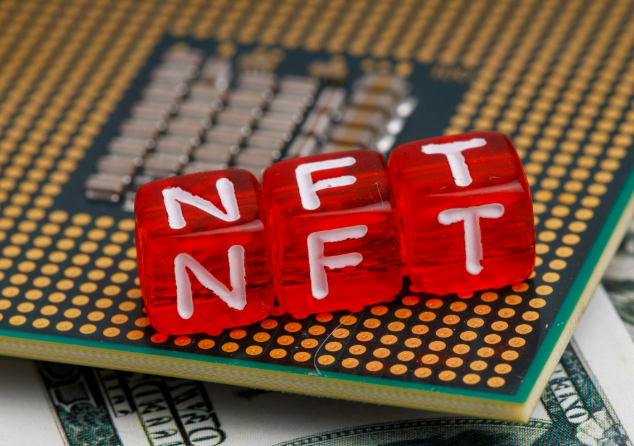
What Are NFTs?
Non-fungible tokens, commonly referred to as NFTs, are a category of digital assets that represent ownership of a unique item or piece of content, verified through blockchain technology. Unlike traditional cryptocurrencies such as Bitcoin or Ethereum, which are fungible and can be exchanged on a one-to-one basis, NFTs are distinctly identifiable and cannot be exchanged on an equal basis due to their unique properties.
The term “non-fungible” signifies that each token possesses different characteristics and values, which cannot be directly substituted for one another. For instance, one NFT representing a digital artwork is not interchangeable for another NFT representing a song. This non-fungibility stands in stark contrast to fungible assets, which are uniform and consistent in nature, allowing for seamless exchange.
At the core of NFTs is the idea of digital ownership. Each non-fungible token is created through a process known as minting and is securely stored on a blockchain, which acts as a decentralized ledger of all transactions. This technology ensures the provenance and authenticity of the digital assets, allowing buyers and sellers to have confidence in the value of their tokens. By owning an NFT, individuals are granted certain rights, which may include the ability to buy, sell, or trade the asset, and sometimes even access or licensing rights related to the content.
Additionally, NFTs can represent various forms of digital media, including art, music, videos, virtual real estate, and even tweets. The versatility of NFTs is one of the key elements that have driven their popularity and adoption across diverse industries. As they continue to evolve, NFTs are reshaping perceptions of ownership and value in the digital realm, thereby challenging traditional concepts of property and asset management.
The Technology Behind NFTs
Non-Fungible Tokens (NFTs) are a revolutionary advancement in the realm of digital assets, made possible primarily through blockchain technology. At their core, NFTs are unique cryptographic tokens that exist on a blockchain, a decentralized ledger system that records transactions across multiple computers. This ensures that the data is secure, transparent, and immutable, which is essential for establishing the authenticity and ownership of digital items.
The blockchain serves as a public registry, allowing everyone to verify the entirety of an NFT’s transaction history. This transparency is crucial as it provides artists, collectors, and investors with confidence in the provenance of the digital asset. Unlike cryptocurrencies such as Bitcoin or Ethereum, which are fungible and can be exchanged for one another, each NFT possesses distinct characteristics that set it apart from other tokens.
Complementing blockchain technology, smart contracts play a significant role in the functionality of NFTs. A smart contract is essentially a self-executing contract with the terms of the agreement directly written into code. It enables creators to embed specific rules and conditions within the NFT, such as royalties for each subsequent sale. This feature not only grants creators control over their work but also ensures that they benefit from the ongoing appreciation in value of their digital assets.
The combination of blockchain and smart contracts results in an ecosystem where authenticity, ownership, and transferability are inherently built into the digital framework of NFTs. By utilizing these technologies, NFTs can provide a sense of security and uniqueness that has not been prevalent in the digital landscape until now. As the adoption of NFTs grows across various industries, understanding the technological foundations will be essential for grasping the broader implications of this emerging market.
Types of Assets Represented by NFTs
Non-Fungible Tokens (NFTs) have revolutionized the concept of ownership in the digital realm, allowing for the unique representation of various assets. These assets can be broadly categorized into digital and physical forms, showcasing the extensive versatility of NFTs in multiple sectors.
One of the most popular types of assets represented by NFTs is digital art. Artists can tokenize their creations, providing proof of ownership and authenticity. This not only enables artists to monetize their work more effectively but also allows collectors to own exclusive pieces of art. Additionally, the rise of platforms specifically aimed at selling digital artwork has made it easier for artists and collectors alike to engage in this vibrant market.
Music is another significant category, with musicians beginning to produce music and albums as NFTs. By doing this, artists gain the ability to maintain greater control over their work and engage directly with their fan base. Collectors can purchase rare tracks or album snippets, enabling a new approach to music ownership. This development illustrates how NFTs can transform traditional industries by providing unique purchasing avenues.
Beyond the art and music spheres, collectibles have emerged as a key asset represented by NFTs. Digital collectibles, such as virtual trading cards, offer fans a way to invest in their favorite franchises or sports teams. These NFTs can increase in value based on rarity and demand, paving the way for a booming market around fandom and nostalgia.
Moreover, virtual real estate has captured attention as a novel application of NFT technology. Users can buy, sell, and develop virtual land within online environments, with ownership verified through NFTs. This concept extends to gaming as well, as players can own and trade in-game assets, ranging from skins to entire ecosystems.
Lastly, NFTs have made their mark in the realm of sports memorabilia. Fans can now own tokenized versions of iconic sports moments or player cards, preserving these memories in a secure and verifiable format.
Overall, the types of assets represented by NFTs encompass a range of creative and commercial possibilities, reflecting the transformational impact of this technology across different sectors.
How NFTs Are Created
The process of creating non-fungible tokens (NFTs) is referred to as minting. Minting involves converting digital files into unique NFTs that reside on a blockchain, allowing them to be bought, sold, and traded on various platforms. This section aims to outline the essential steps involved in minting NFTs and the role played by different platforms and marketplaces.
To begin with, artists and creators must select a blockchain to mint their NFTs. Ethereum is currently the most popular choice due to its robust architecture and established NFT standards. Two notable standards on Ethereum are ERC-721 and ERC-1155. The ERC-721 standard defines a single unique token, making it ideal for distinct digital art pieces or collectibles. In contrast, ERC-1155 allows for the creation of both fungible and non-fungible tokens within the same contract, offering versatility for developers and creators.
Once the blockchain has been chosen, the next step is to create the digital asset, which could be artwork, music, video, or any digital file. After finalizing the asset, creators need to use specialized platforms such as OpenSea, Rarible, or Mintable to upload their files. These platforms provide user-friendly interfaces that guide users through the minting process, typically requiring a digital wallet to manage transactions. Wallets facilitate the transfer of cryptocurrency needed to pay for minting fees, known as gas fees.
Following the upload, users set the terms of their NFTs, including descriptions, royalties for future sales, and pricing. After completing these steps, the digital asset is officially minted into an NFT, becoming part of the blockchain. This minting process not only secures the digital asset’s authenticity but also ensures that ownership and transaction history are verifiable and transparent.
In conclusion, minting NFTs represents a critical process in the world of blockchain technology, blending creativity with technology while leveraging established standards to create unique digital assets. The combination of blockchain and NFT platforms empowers artists and enables them to share their work in novel ways.
Buying and Selling NFTs
The NFT marketplace has rapidly evolved, providing a unique platform where buyers and sellers can interact and trade non-fungible tokens. These digital assets are typically associated with art, collectibles, and virtual real estate, among other categories. The process begins when a seller lists an NFT for sale, which involves choosing a marketplace and setting specific parameters such as the price or auction format.
To list an NFT, sellers generally need to create an account on a designated platform, such as OpenSea, Rarible, or Foundation. After completing an account verification process, they can upload their digital asset, input relevant details, and decide on a fixed price or initiate a bidding system where potential buyers can place offers. The listing itself may incur costs in the form of transaction or “gas” fees, which are charges associated with processing blockchain transactions. Sellers should be mindful of these fees as they can vary significantly based on network congestion and the platform being used.
Purchasing NFTs follows a straightforward interaction process, typically revolving around the buyer’s exploration of the marketplace. Buyers can browse available tokens, filter by various criteria, and select NFTs that interest them. Once a buyer decides to proceed, they may bid on items in an auction or purchase them outright at the listed price. In either case, the buyer must also be aware of any transaction fees applicable at the time of purchase. The successful transaction results in the buyer receiving the NFT in their digital wallet, which serves as proof of ownership. Additionally, buyers should consider the long-term value and market trends, as the volatile nature of the NFT market can impact investments significantly. Overall, understanding buying and selling processes in the NFT marketplace is crucial for those looking to engage in this innovative trading environment.
The Role of Valuation in NFTs
Non-fungible tokens (NFTs) have emerged as significant digital assets within the blockchain ecosystem, primarily due to their unique characteristics and the burgeoning market surrounding them. The valuation of NFTs is a complex process influenced by several key factors that together determine their market price.
One major element contributing to the valuation of NFTs is rarity. Unlike fungible tokens such as cryptocurrencies, NFTs are unique or exist in limited quantities. This scarcity can create significant demand among collectors and investors, thereby driving up the value of specific tokens. For instance, limited-edition art pieces or exclusive digital collectibles can command higher prices simply because there are fewer in circulation, appealing to the collectors’ desire for exclusivity.
Demand plays a crucial role as well. As interest in NFTs has surged, factors like trends in digital art, gaming, and virtual real estate have fueled demand. Limited-time offers or collaborations with influential artists can create urgency among buyers, which often results in bidding wars that escalate the prices of certain NFTs. Additionally, community support can influence the perceived value of NFTs. Active communities often form around particular projects, contributing to their ecosystem’s vibrancy, which can enhance interest and subsequently the market price of their tokens.
The reputation of the artist or creator also significantly affects how NFTs are valued. Well-known artists, like Beeple, have seen their works fetch astronomical prices, not only because of the art itself but also due to their established following and credibility in the art world. Buyers are often willing to invest more in pieces created by recognized figures because of the potential for long-term value appreciation.
In conclusion, understanding the valuation of NFTs requires a multifaceted approach that considers rarity, demand, community backing, and the artist’s reputation. These elements intertwine to shape the marketplace, establishing unique dynamics that define the worth of non-fungible tokens in the ever-evolving digital realm.
Challenges and Concerns Surrounding NFTs
The proliferation of non-fungible tokens (NFTs) has sparked a myriad of discussions about their implications and potential drawbacks. While NFTs offer unique opportunities for creators, collectors, and investors, there are significant challenges and concerns that warrant thorough examination.
One of the primary issues surrounding NFTs is the financial risk associated with investing in such digital assets. The NFT market can be notoriously volatile, with prices fluctuating dramatically within short timeframes. This volatility poses a challenge for investors who may struggle to predict the value of an NFT over time, leading to potential financial losses.
Furthermore, NFTs often rely on blockchain technology, which has come under scrutiny for its environmental impact. The process of minting and trading NFTs typically consumes substantial amounts of energy due to the computational power required to maintain blockchain networks. This has raised concerns among environmentalists who advocate for more sustainable practices within the technology sector.
Copyright issues are another significant area of contention. NFTs can complicate the rights associated with ownership, as purchasing an NFT does not necessarily convey copyright ownership of the underlying content. This has led to instances where creators have found their work tokenized and sold without their consent, raising questions about intellectual property and the ethical implications of such actions.
Lastly, the potential for scams in the NFT marketplace is a pressing concern. As with any emerging market, malicious actors may engage in deceptive practices, such as creating counterfeit NFTs or orchestrating rug pulls. These scams can lead to severe financial losses for unsuspecting buyers and diminish trust in the NFT ecosystem as a whole.
In summary, while NFTs present exciting possibilities for innovation in the digital economy, they also bring forth a set of challenges related to financial risk, environmental sustainability, copyright complexities, and potential scams. Addressing these concerns is essential for fostering a responsible and secure NFT marketplace.
The Future of NFTs
As the digital landscape evolves, the future of Non-Fungible Tokens (NFTs) presents intriguing possibilities across various sectors. Initially, NFTs gained popularity within the art world and collectible markets, but their potential applications extend far beyond these realms. One of the most promising areas for the development of NFTs lies within the gaming sector. Game developers are increasingly incorporating NFTs to allow players to truly own in-game assets. This ownership not only enhances user engagement but also creates new revenue streams for developers through secondary markets.
Moreover, social media platforms are exploring ways to integrate NFTs into their frameworks. As content creators and influencers seek to monetize their work, NFTs can provide a solution by enabling them to sell their digital creations directly to their audience. This shift could redefine content ownership and compensation structures, empowering creators and potentially reshaping the social media landscape.
Virtual worlds, often referred to as the metaverse, are also poised to become significant arenas for the application of NFTs. In environments where users create and interact within digital spaces, NFTs can facilitate the ownership of virtual properties, avatars, and other digital goods. This innovation would not only create new economic ecosystems but also enhance user experiences by offering personalized and customizable elements. The merging of NFTs and virtual worlds implies a new frontier for digital interaction and commerce.
Furthermore, as blockchain technology matures, the integration of NFTs across industries is likely to gain momentum. Sectors such as real estate, music, and entertainment can benefit from NFTs by establishing verifiable proof of ownership and authenticity. These innovations encourage trust and transparency, fostering broader acceptance of NFTs in mainstream markets.
In conclusion, the future of NFTs appears bright, with potential applications in gaming, social media, and virtual environments paving the way for comprehensive integration into everyday life. As technology evolves, so does the opportunity for Non-Fungible Tokens.
Getting Started with NFTs: A Beginner’s Guide
As the digital landscape evolves, non-fungible tokens (NFTs) have gained significant traction. For those new to this space, navigating the world of NFTs can initially seem daunting. However, by following a few essential steps, beginners can confidently embark on their NFT journey.
Firstly, it is crucial to choose an appropriate NFT platform. Numerous marketplaces exist, each offering unique features and types of digital assets. Popular platforms like OpenSea, Rarible, and Foundation cater to diverse audiences and NFT categories. When selecting a marketplace, consider factors such as user interface, transaction fees, and community engagement. Researching the specific platform’s user reviews and functionalities can provide insights into what aligns best with your interests.
After identifying a platform, conducting thorough research is imperative. Familiarize yourself with the different types of NFTs available, ranging from digital art and music to virtual real estate and gaming items. Understanding the specifics of each category will enhance your ability to make informed purchases. Additionally, reviewing past sales data and market trends can provide a clearer understanding of the value and demand surrounding particular tokens.
Engaging with the community is another beneficial step. Joining forums, social media groups, and attending webinars can help you connect with experienced collectors and creators. Participating in discussions can yield valuable tips and insights into the NFT ecosystem, providing an avenue for learning and growth.
Lastly, before committing to a purchase, assess the authenticity of the NFTs you are interested in. Every NFT is unique and linked to its creator, so verifying the credentials of the artist and the provenance of the token is essential. By ensuring that you are acquiring genuine items, you mitigate the risks associated with counterfeit assets.
In conclusion, entering the NFT market requires a combination of careful planning and informed decision-making. By selecting the right platform, conducting in-depth research, engaging with the community, and verifying authenticity, newcomers can enhance their chances of success in the growing world of non-fungible tokens.