

Artificial intelligence is changing the way people interact with technology. From smartphones that anticipate user needs to software that automates complex business processes, intelligent systems are becoming part of everyday digital experiences. One area where this development is particularly interesting is cryptocurrency mining.
For years, mining was associated with specialized computers, technical knowledge and considerable infrastructure. Today, cloud computing and automation are introducing alternative ways to access this technology. IAMiner combines these developments through AI-managed mining robots, offering a different approach to an activity traditionally dominated by hardware ownership.
Why cryptocurrency mining is evolving
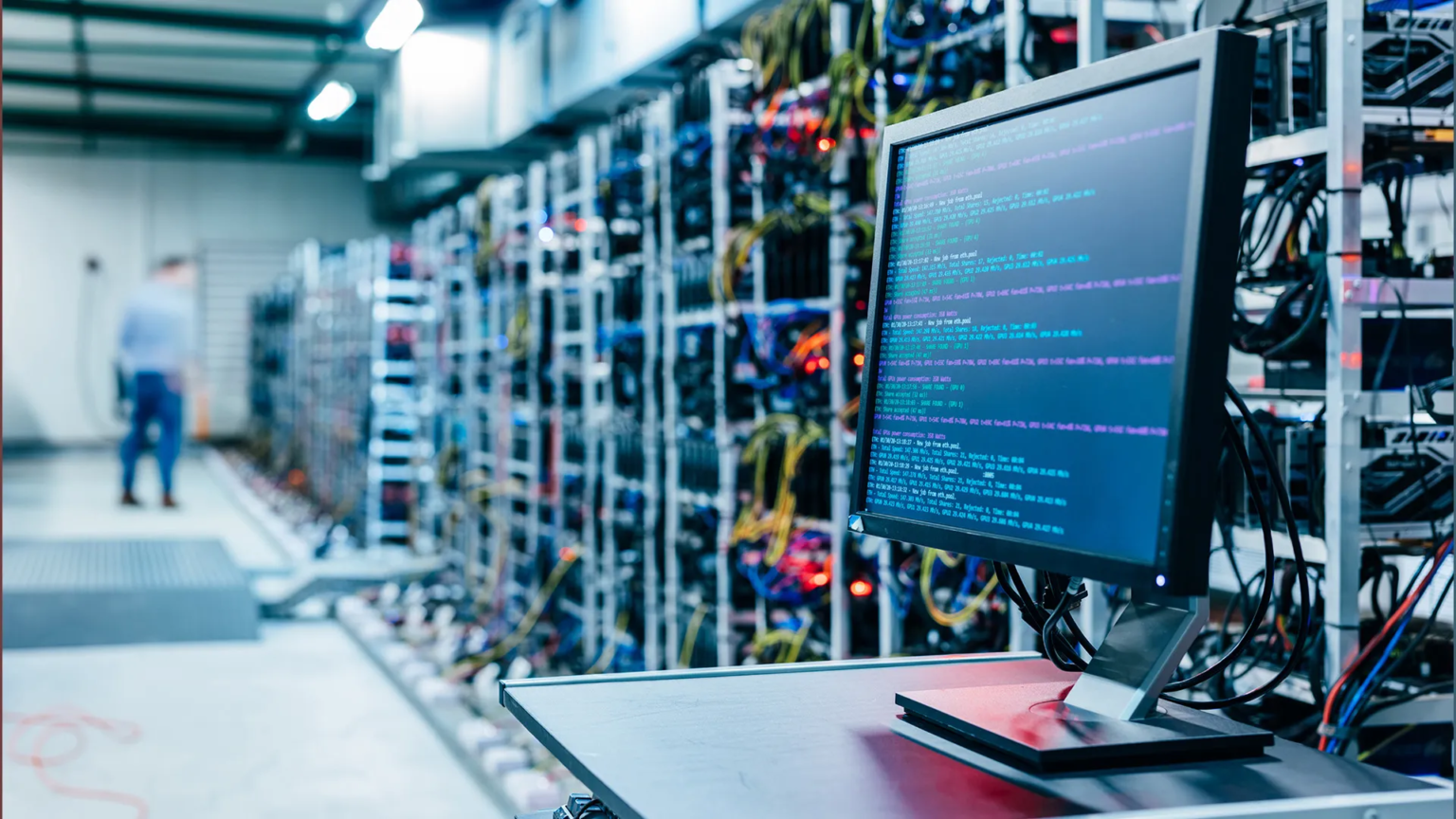
Cryptocurrency mining plays an important role in proof-of-work blockchain networks. Computers contribute processing power to verify transactions and help maintain the network's security. They perform enormous numbers of calculations, competing to solve cryptographic challenges. Participants who contribute valid work can receive rewards according to the rules of the network.
This process, known as cryptocurrency mining, requires substantial computing resources. Mining machines are designed to operate continuously, and their performance is generally measured in hash rate, which indicates how many calculations they can perform per second.
As the industry developed, mining became increasingly specialized. Individual enthusiasts who once experimented with ordinary computer hardware began facing greater competition from professional operations using dedicated machines and large data centers.
The result is an industry where infrastructure, energy efficiency and technical management have become increasingly important.
The limitations of traditional mining
Operating mining equipment at home can involve several challenges.
Specialized machines generate heat and noise, consume electricity and require suitable ventilation. Electricity prices can significantly influence operating costs, while hardware needs maintenance and may lose competitiveness as newer equipment becomes available.
For people interested in understanding blockchain technology, these requirements can make traditional mining difficult to approach.
This is where cloud infrastructure offers an alternative.
How cloud mining works
Cloud mining allows users to access a share of mining power hosted in remote data centers rather than purchasing and operating physical machines themselves.
The concept is similar to cloud storage or remote computing. Instead of maintaining the infrastructure personally, users access its capabilities through an online platform.
This approach can remove practical obstacles such as installing equipment, managing cooling systems and handling the electricity consumption of individual machines.
However, cloud mining does not eliminate cryptocurrency market risks. Network difficulty changes, coin prices fluctuate and actual mining results can differ from initial expectations. Choosing a service therefore requires research and an understanding of its operating conditions.
IAMiner and AI-managed mining robots
IAMiner uses artificial intelligence as part of its cloud mining model.
Its mining robots represent shares of computing power operating in data centers. Customers do not need to purchase or maintain physical mining equipment.
The platform's AI layer selects which cryptocurrency and mining pool to use, seeking the best expected return under changing network conditions.
This introduces an interesting form of automation into mining. Instead of manually monitoring different coins and pools, users rely on the platform's software to handle these technical selections.
The idea is comparable to automatic optimization in modern technology. Smartphones manage battery usage, cameras adjust exposure and computer systems distribute resources according to demand. These systems simplify tasks that would otherwise require continuous manual attention.
Nevertheless, artificial intelligence should not be confused with a guarantee of financial performance. It cannot control market prices, prevent changes in network difficulty or ensure that mining will generate a profit.
A simpler starting point for newcomers
One of the challenges with emerging technologies is finding a practical way to experiment without making a significant initial commitment.
IAMiner addresses this through a free mining robot included with every new account. The robot provides 0.5 TH/s of mining power, and users do not need a credit card to get started.
This gives newcomers an opportunity to explore the dashboard, understand how mining activity is presented and become familiar with estimated earnings.
For people who have never participated in mining, this can be a useful introduction before considering additional computing capacity.
The platform also offers other robot configurations for users interested in exploring different levels of mining power. Payments for paid robots are made in USDT through BNB Smart Chain, Ethereum or Tron. Credit and debit cards are not accepted.
IAMiner states that it does not charge withdrawal fees, and users can follow estimated earnings through the platform's dashboard.
Why understanding estimates matters
Mining performance depends on more than the amount of computing power available.
Network difficulty can rise when more miners participate, increasing the competition for rewards. Cryptocurrency prices can also change considerably, affecting the market value of any rewards generated.
These variables make it impossible to treat projected earnings as certain outcomes.
IAMiner provides an earnings calculator that allows visitors to compare robot configurations and examine estimated results. It can help users understand how different levels of mining power influence projections, but the figures should always be interpreted as estimates.
Anyone considering a paid mining option should research the service, understand the risks and only commit funds they can comfortably afford to lose. Cryptocurrency mining can result in financial losses, and neither automation nor cloud infrastructure removes that possibility.
A technology experience shaped by automation
The development of AI-managed mining reflects a broader shift in the technology industry. More services are making advanced computing capabilities accessible without requiring users to own the underlying hardware or understand every technical detail.
For enthusiasts, this creates opportunities to explore new technologies through simpler interfaces and remote infrastructure.
IAMiner brings together cloud mining and artificial intelligence in a model designed to reduce the operational complexity traditionally associated with mining equipment. Its free robot also provides an opportunity to explore the platform without an initial payment.
As blockchain technology continues to evolve, automation and cloud infrastructure are likely to remain important parts of the conversation. Understanding how these systems work, researching their limitations and maintaining realistic expectations are essential steps for anyone interested in the future of cryptocurrency mining.