

What is NFT Art?
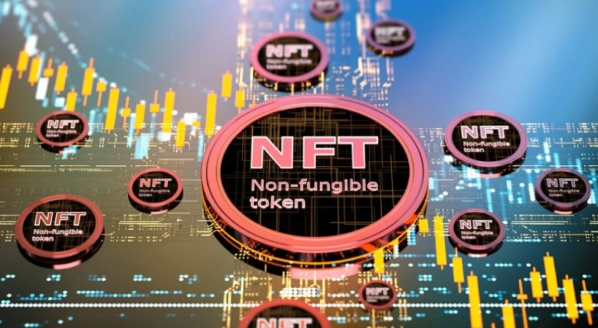
The term NFT, or Non-Fungible Token, refers to a unique digital asset that represents ownership of a specific item or piece of content, primarily on a blockchain. Unlike cryptocurrencies such as Bitcoin or Ethereum, which are fungible and can be exchanged on a one-to-one basis, NFTs are inherently distinct. Each token contains specific information that makes it unique and cannot be replaced with another token of equal value. This concept of non-fungibility is what differentiates NFTs from traditional art forms.
NFT art can be described as digital artwork that is authenticated and owned through the use of NFTs. Artists create digital pieces—ranging from illustrations and animations to music and virtual reality experiences—that are then minted as NFTs. This process transforms a digital file into a unique collectible, enabling artists to sell their work in a way that provides proof of ownership and authenticity. This authenticity is crucial in the art world, as it ensures that the buyer is acquiring an original piece.
The unique characteristics of NFTs make them an appealing medium for both artists and collectors. For artists, NFTs provide an alternative avenue for monetizing their work, allowing them to reach global audiences without the intermediary of traditional galleries. Additionally, artists can embed smart contracts within NFTs, facilitating royalties on future resales that ensure they receive compensation whenever their work changes hands.
For collectors, NFTs offer a new way to invest in art by acquiring digital assets that often hold significant value. The ability to buy, sell, and trade these tokens on various online marketplaces has created an entirely new ecosystem for both creators and collectors. The appeal lies not only in the artwork itself but also in the potential for appreciation over time, akin to traditional art investments.
Thus, NFT art represents a transformative shift in how we conceive of ownership and value in the digital realm, blending elements of art, technology, and investment in unprecedented ways.
The Technology Behind NFTs
Non-fungible tokens, commonly referred to as NFTs, rely on advanced technologies to establish their significance within the realm of digital art and ownership. The primary technology that underpins NFTs is blockchain, a decentralized digital ledger that records transactions across many computers in a way that ensures data integrity and security. Blockchain allows for the existence of unique digital items by linking them to cryptographic keys and making it impossible to alter their status without the consensus of the network.
Each NFT is created through a process known as minting, where details about the digital asset—such as its creator, ownership history, and transaction records—are securely stored on the blockchain. The transparency of this process is vital; it allows artists and collectors to verify the authenticity of their digital artwork. Unlike traditional assets, which can be copied or forged, NFTs offer a verifiable proof of ownership that cannot be tampered with, thanks to blockchain’s inherent properties.
Moreover, smart contracts play a crucial role in the functionality of NFTs. Smart contracts are self-executing contracts with the terms of the agreement between buyer and seller being directly written into lines of code. These contracts enable automatic execution of transactions when predetermined conditions are met, thereby facilitating sales and transfers. The use of smart contracts ensures that artists continue to benefit from their work even after its initial sale, as royalties can be programmed to be paid automatically with each subsequent transaction. This technology fosters a new model of ownership, where provenance and authenticity of digital art are preserved in a secure manner.
In conclusion, the integration of blockchain technology and smart contracts is fundamental to the efficacy of NFTs in establishing authentic digital ownership. These innovations not only create a reliable system for artists and collectors but also revolutionize the way digital content is valued and traded in today’s digital marketplace.
The Rise of Digital Ownership
In contemporary society, the concept of ownership has evolved alongside technological advancements, particularly within the digital landscape. Traditionally, ownership was associated with tangible assets—physical items that individuals could possess. However, the advent of the internet and digital resources has challenged these notions, leading to the emergence of digital ownership.
The introduction of Non-Fungible Tokens (NFTs) has been pivotal in this transformation. NFTs are unique digital tokens that represent ownership of specific items or content on a blockchain, thereby providing a way to establish provenance and authenticity. This technology has revolutionized how we view ownership of digital assets—ranging from art and music to virtual real estate and collectibles. Unlike cryptocurrencies, which are indistinguishable from one another, each NFT possesses distinct attributes and identifiable information. This distinctiveness underpins the ownership claims in the digital realm.
The significance of digital ownership cannot be overstated, especially in the context of artists and creators who now have new avenues to monetize their work. Artists can sell their creations directly to buyers without intermediaries, ensuring a larger share of profits while also maintaining control over their intellectual property. Furthermore, collectors can acquire digital art and other assets with assurance, knowing that the emergent technologies back their investments. This has led to a burgeoning market where digital art is increasingly appreciated as a legitimate form of cultural expression.
As more individuals embrace digital platforms for their interactions and experiences, the demand for secure and verifiable ownership will only intensify. The rise of digital ownership challenges existing paradigms and offers a glimpse into a future where intangible assets will hold significant value. In due course, the importance of NFTs and their role in establishing digital ownership will continue to grow, shaping the dynamics of how we perceive both art and ownership in the digital age.
Benefits of NFT Art for Artists
Non-fungible tokens (NFTs) have revolutionized the art world, particularly for artists, by offering a unique platform for sales and engagement with collectors. One of the most significant advantages is the ability for artists to sell their work directly to consumers. Traditional art sales often involve galleries or intermediaries that take a substantial percentage of the profits. In contrast, NFTs allow artists to bypass these middlemen, retaining a larger share of the revenue generated from their pieces.
Moreover, NFTs provide artists with access to a global market. The digital nature of NFTs means that artists can reach potential buyers from all corners of the world, breaking down geographical barriers that often limit exposure in conventional art markets. This global reach has been particularly beneficial during events like the COVID-19 pandemic, where physical galleries faced restrictions and many artists sought alternative avenues to showcase their work.
Additionally, NFTs open up new possibilities for artists through the potential for royalties on secondary sales. Smart contracts embedded within NFT technology ensure that artists receive a percentage of sales whenever their work is resold. This system not only rewards the original creators but also provides an ongoing revenue stream that is rarely available in traditional art markets. For instance, renowned digital artist Beeple has famously earned millions from both primary sales and subsequent royalties, illustrating the lucrative potential that NFTs present.
Artists such as Grimes, who sold her NFT art for $6 million, and Pak, who generated over $16.8 million through various NFT sales, exemplify the success that can be achieved in this space. Their experiences demonstrate how NFT art can empower creators and enhance their financial independence while fostering deeper connections with audiences worldwide.
Challenges and Criticisms of NFTs
Non-fungible tokens (NFTs) have garnered significant attention in the art world, yet they are not without their challenges and criticisms. One of the primary concerns associated with NFTs is their environmental impact. The majority of NFTs are built on blockchain networks that rely on energy-intensive processes, particularly proof-of-work systems. These mechanisms require large amounts of computational power, which leads to high carbon footprints. Critics argue that this environmental cost poses a significant barrier to the sustainability of NFT art in the long run.
Another considerable challenge facing the NFT market is that of market speculation. The volatility and rapid price fluctuations of NFTs can create a speculative bubble, which raises concerns about the true value of digital artworks. Collectors and investors may be drawn into purchasing NFTs based on trends rather than intrinsic artistic value, leading to potential financial losses when the market corrects itself. Moreover, such speculation may detract from the genuine appreciation of digital art, reducing it to mere commodity trading.
Copyright issues also present a critical challenge within the NFT space. While NFTs grant ownership of a unique digital asset, they do not necessarily confer copyright or intellectual property rights unless explicitly stated. This ambiguity can lead to disputes over ownership, especially when original artworks are sold as NFTs without the consent of the artists. Such copyright infringements raise ethical questions regarding artists’ rights and the commercialization of their work.Furthermore, the potential for unauthorized reproductions of copyrighted material being sold as NFTs could stifle genuine creativity and innovation in the digital art sphere.
As we move forward, these challenges and criticisms will inevitably influence the future trajectory of NFT art. Addressing environmental concerns, regulating market practices, and clarifying intellectual property rights will be essential in establishing a more sustainable and equitable ecosystem for creators and collectors alike.
The NFT Marketplace Landscape
The rise of non-fungible tokens (NFTs) has given birth to a dynamic and diverse marketplace for digital art and ownership. Various platforms have emerged, each catering to different audiences and types of digital assets. Among the leading NFT marketplaces are OpenSea, Rarible, Foundation, and SuperRare, which provide unique environments for creators and collectors alike.
OpenSea is one of the largest marketplaces, offering a wide selection of NFT art, from well-known artists to emerging talents. The platform allows users to mint, buy, and sell NFTs across multiple blockchains, making it accessible to a broad range of users. This liquidity is further enhanced by its user-friendly interface, which facilitates smooth transactions and browsing experiences.
Rarible stands out as a decentralized marketplace focusing on community governance. It empowers users to vote on platform upgrades and decisions through its native governance token, RARI. This blend of art and community fosters engagement, whereby buyers and sellers can influence the development of the marketplace. Rarible’s emphasis on collaboration has attracted numerous artists looking to connect with their audience.
Foundation and SuperRare cater to the high-end market, showcasing curated collections of digital art from established and emerging artists. These platforms emphasize quality over quantity, often requiring artists to receive invitations from existing creators, which adds a layer of exclusivity. Furthermore, they offer features such as bidding and auctions, enhancing the experience for collectors seeking unique pieces.
In addition to the buying and selling of NFTs, these platforms facilitate community engagement through social features, allowing users to follow artists, leave comments, and share artwork. Such interactions not only enhance the visibility of creators but also encourage a sense of belonging within the digital art community. Ultimately, the NFT marketplace landscape continues to evolve, driven by advancements in technology and the growing interest in digital ownership.
Legal Aspects of NFT Ownership
The rise of non-fungible tokens (NFTs) has revolutionized the way digital art is perceived and transacted. As digital ownership mechanisms continue to evolve, understanding the legal implications surrounding NFT art ownership has become increasingly paramount. At the core of this discussion are copyright issues and intellectual property rights that govern both the digital assets themselves and the underlying artwork represented by these tokens.
When an individual acquires an NFT, it is crucial to recognize that the purchase of an NFT does not automatically grant ownership of the copyright to the associated artwork. Typically, copyright remains with the original creator unless explicitly transferred or licensed. This distinction is vital, as it can affect the buyer’s ability to reproduce, distribute, or otherwise use the art. NFT buyers may receive certain rights specified in the smart contract; however, these rights may not be comprehensive and can vary significantly from one NFT to another.
Furthermore, individuals interested in NFTs must consider the legal jurisdictions they operate within, as laws regarding intellectual property and digital ownership can differ widely. Different nations may interpret and enforce copyright law in unique ways, leading to potential conflicts for NFT owners engaging in cross-border transactions. Moreover, the digital nature of NFTs raises questions about authenticity and provenance, as verifying the originality of digital artwork can be complicated in a decentralized environment.
Owning an NFT signifies that one has a unique digital token on the blockchain that acts as proof of ownership. However, this is distinct from owning the physical or digital artwork itself. Therefore, purchasers should conduct due diligence to understand exactly what rights they are acquiring with their NFT purchase. This includes reviewing the specifics outlined in the smart contract and, if necessary, consulting legal experts to navigate the complexities involved.
In conclusion, the legal landscape surrounding NFT art ownership is intricate and nuanced, requiring careful consideration by potential buyers to ensure they are fully informed of their rights and responsibilities.
The Future of NFT Art
The landscape of NFT art and digital ownership is poised for significant evolution as technological advancements and changing consumer behaviors emerge. The integration of blockchain technology offers artists novel ways to authenticate their work and engage with audiences directly. As the technology matures, we can expect changes that extend beyond simple ownership claims, leading to enhanced interactivity and sharing in digital art.
One promising trend is the potential for augmented reality (AR) and virtual reality (VR) to revolutionize how consumers experience NFT art. With advancements in these fields, digital art could transcend the traditional displays encountered in physical galleries. Art enthusiasts might find themselves able to interact with NFT pieces in immersive virtual environments, potentially increasing their appreciation and demand for digital artwork.
Moreover, as consumers increasingly embrace the concept of ownership in the digital realm, we may witness a shift in how people value art. This change could shift the focus from mere aesthetic appreciation to a more multifaceted understanding of art as a collectible asset. Consequently, the rise of NFTs might stimulate market growth as artists explore innovative forms of expression, diversifying genres and styles within the NFT art scene.
Consumer interest and participation in NFT markets are likely to shape future trends. As digital natives, younger generations are more inclined to engage with NFT platforms that offer transparency, community involvement, and new modes of collaboration between artists and patrons. This engagement could galvanize a robust ecosystem where artists not only sell their work but also cultivate relationships with their audiences.
Finally, the future of NFT art is intricately tied to regulatory developments. As governments and institutions begin to craft laws governing digital assets, their decisions will play a crucial role in legitimizing and stabilizing the NFT market. These regulations could instill greater trust among buyers, encouraging wider adoption and potentially reflecting positively on the longevity of NFT art in the broader context of digital ownership.
How to Get Started with NFT Art
Entering the NFT art space can be an exciting venture for both artists and collectors. This unique digital environment offers new opportunities for expression and investment. Here, we will outline the steps to get started, covering the creation, buying, and selling of NFTs as well as tips for effectively navigating the community.
For artists looking to create NFT art, the first step is to choose an appropriate blockchain platform. Ethereum is the most commonly used blockchain due to its robust infrastructure and vast ecosystem. However, alternatives such as Binance Smart Chain or Polygon may also be considered for lower transaction fees. Once a blockchain is selected, the next step is to set up a digital wallet that is compatible with the chosen blockchain. Wallets like MetaMask or Coinbase Wallet provide the necessary functionality to store and manage digital assets.
After establishing a wallet, artists can create their digital art. This can include illustrations, animations, or any digital format. Once the artwork is ready, the artist can then mint the artwork as an NFT. This process typically involves uploading the digital file to an NFT marketplace such as OpenSea, Rarible, or Foundation. The marketplace will guide users through the minting process, which often requires a small fee paid in cryptocurrency. It is essential for artists to include a thorough description and relevant tags to enhance visibility.
Collectors interested in purchasing NFT art should begin by researching different artists and marketplaces. Communities on social media platforms, particularly Discord and Twitter, are valuable resources for discovering upcoming NFT artists and trends. Buying NFTs usually follows the same process as minting, where collectors connect their wallets to a marketplace and select pieces they wish to purchase. Pay attention to transaction fees and verify the authenticity of the NFT before completing a purchase.
Lastly, selling NFTs requires the artist or collector to list their digital assets on a marketplace, setting a price or opting for auctions. Engaging with the NFT community through social media and forums can also help boost exposure and encourage sales. By following these steps, both artists and collectors can successfully navigate the burgeoning world of NFT art.