




5 Hidden Skills Players Develop Through Gaming
Gaming is often viewed primarily as a form of entertainment, but many modern games require players to develop skills that can be useful beyond the screen. Strategy planning, resource management, communication and creative problem-solving are all common elements of interactive games that encourage players to analyse situations and make decisions.
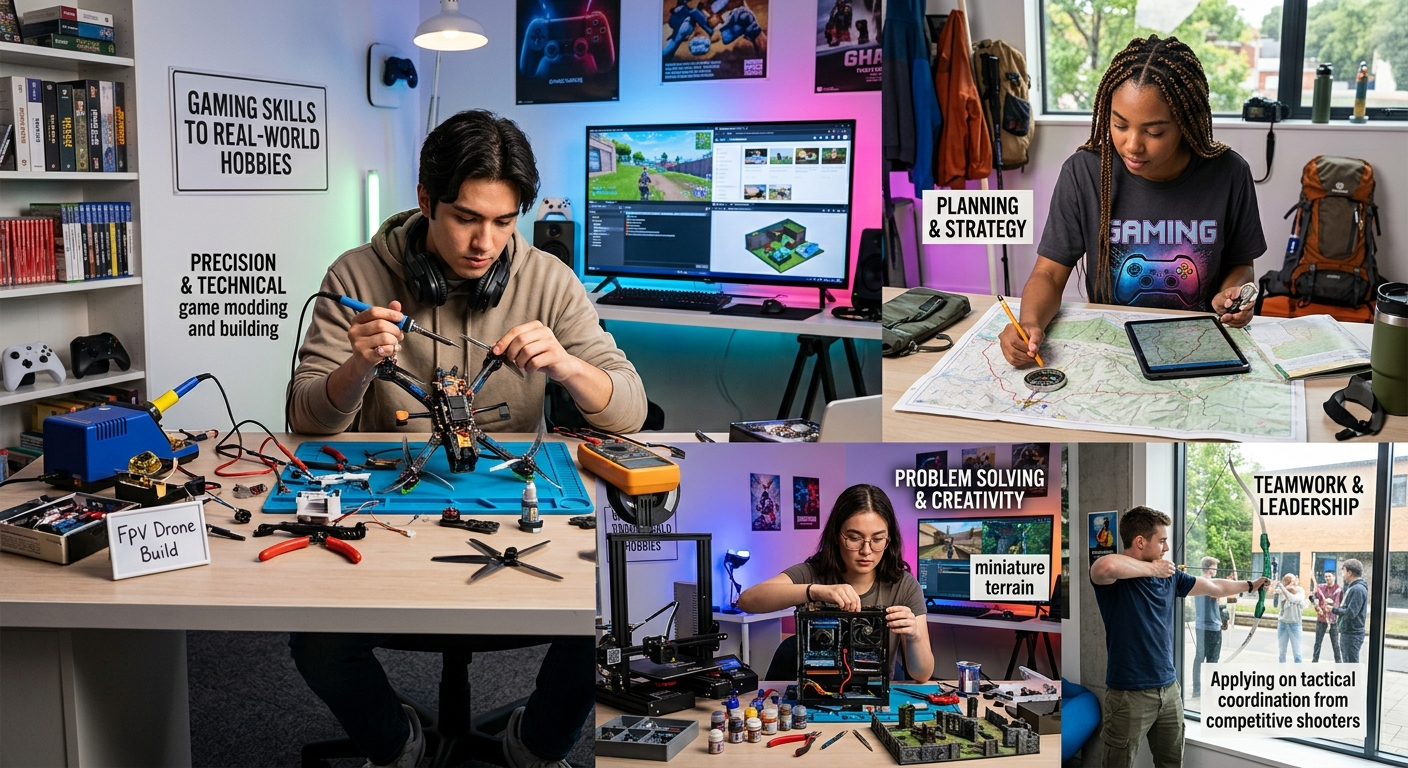
For people exploring different hobbies, gaming can complement other activities by strengthening mental skills that apply to creative projects, sports, learning and social activities. The connection does not come from games replacing traditional hobbies, but from the way certain gameplay mechanics train approaches that are valuable in other areas.
Problem-Solving Skills Developed Through Gaming
Many games require players to identify challenges, evaluate possible solutions and adjust their approach whSpincity casino Spincity casino en the first attempt does not succeed. Whether solving puzzles, managing resources or completing complex objectives, players constantly practise analysing situations before making decisions.
This problem-solving mindset can transfer to other hobbies where planning and adaptation are important. For example, someone learning photography may experiment with different settings, while a person involved in DIY projects may need to adjust plans when unexpected issues appear. Games often motivate players to:
- Break complex challenges into smaller steps.
- Test different approaches and learn from mistakes.
- Identify patterns and predict possible outcomes.
- Adapt strategies based on new information.
- Manage time and resources effectively.
These habits can support a more structured approach to learning new skills outside gaming. They also encourage patience, experimentation and continuous improvement.
Digital Confidence and Learning New Tools
Gaming can also improve familiarity with technology. Players regularly interact with unknown interfaces, settings, online platforms and digital systems, which can make them more comfortable learning new tools.
This confidence can be useful when exploring hobbies that involve technology, such as
- Video editing.
- Content creation.
Gaming can help users master new digital tools and software by improving familiarity with interfaces and features. Within the wider gaming industry, Spincity casino offers interactive formats including slots, table games and live casino experiences, where users engage with different interfaces, visual elements and gameplay mechanics.
Strategy and Planning Beyond the Screen
Strategy-based games require players to think several steps ahead. Managing limited resources, choosing priorities and anticipating future situations are common mechanics that develop planning abilities.
The same principles appear in many hobbies. Board games, team sports, outdoor activities, creative projects and personal goals often involve deciding where to invest time and effort. A player who regularly evaluates risks and rewards in a game may naturally apply similar thinking when organising other activities.
Strategic thinking is especially visible in games where success depends less on quick reactions and more on preparation, timing and decision-making. These experiences can help players become more comfortable with analysing options before acting.
Communication and Teamwork in Multiplayer Games
Online multiplayer games have created communities where cooperation is often essential. Team-based titles require players to share information, coordinate actions and adjust their behaviour according to the needs of the group.
These communication skills can transfer to hobbies involving collaboration, such as team sports, music groups or community projects. Players know how to listen, be flexible and support others to achieve success. This is useful for:
- Clear communication under pressure.
- Understanding different roles within a team.
- Cooperation towards a shared objective.
- Giving and receiving feedback.
These abilities are valuable in social and creative hobbies, from ice hockey, baseball and lacrosse to photography, theatre and other collaborative activities. They help people approach new interests with better communication, flexibility and confidence when working with others.
Creativity and Experimentation Through Games
Open worlds, customisation options and creative tools in modern games encourage experimentation and independent thinking. Players often discover unexpected solutions, combine available resources in new ways and create outcomes that were never directly planned by developers.
This creative approach can influence other hobbies such as writing, design, art or music. Gaming encourages curiosity by allowing players to test ideas, explore possibilities and refine their approach through repeated attempts. Creative problem-solving is also part of many digital hobbies, including content creation and game development. The ability to experiment and learn from results is a skill that applies across different fields.
How Gaming Fits Into Everyday Life
Modern gaming is closely connected with the way people learn, communicate and spend their free time. For younger generations especially, games are not isolated activities but part of a wider lifestyle that includes creativity, communities, content creation and personal interests.
As interactive entertainment continues to expand, gaming will remain an important space where people discover new ideas, build connections and explore different forms of participation. The line between real life and the digital world is becoming increasingly blurred.