





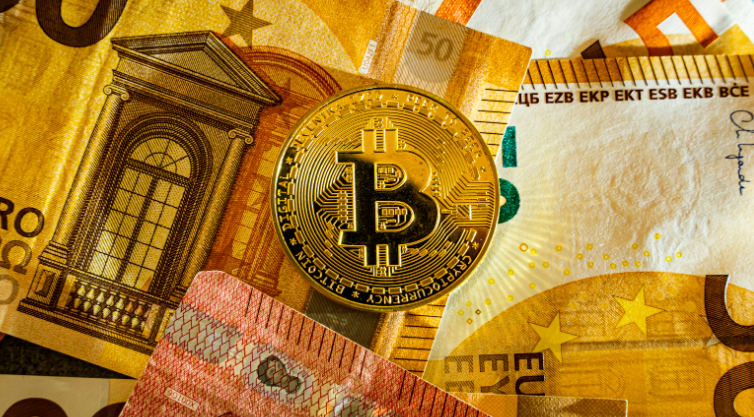
Introduction to Bitcoin as a Global Asset
Bitcoin, often characterized as the pioneer of cryptocurrencies, emerged in 2009 as a decentralized digital currency that is underpinned by blockchain technology. The essence of Bitcoin lies in its ability to facilitate peer-to-peer transactions without intermediaries, thereby enabling users to maintain financial autonomy. The technology utilizes a distributed ledger, which ensures transparency and security by recording all transactions within a public network.
Over the years, Bitcoin’s function has evolved beyond mere transactions. Initially viewed as a medium for speculative investment, it has increasingly been recognized as a valuable asset in the global financial landscape. The popularity of Bitcoin has surged, driven by its potential to act as a hedge against inflation and currency devaluation, especially during periods of economic instability. This unique positioning has attracted both individual and institutional investors, reinforcing Bitcoin’s image as a safe haven asset.
The cryptocurrency’s integration into traditional financial systems signifies a shift in how assets are categorized and valued. Institutions are beginning to explore Bitcoin for its potential role in diversifying portfolios and enhancing liquidity. Furthermore, developments such as the introduction of Bitcoin exchange-traded funds (ETFs) reflect this growing acceptance, allowing retail and institutional investors to gain exposure to Bitcoin within the parameters of regulated frameworks.
As Bitcoin continues to garner attention, discussions around its regulatory environment are becoming increasingly pertinent. Governments and financial institutions globally are tasked with creating frameworks that not only foster innovation but also ensure consumer protection and financial stability. Understanding Bitcoin’s evolution and its implications on macro-financial systems is crucial as we delve deeper into the dynamics of its role within global reserves.
Historical Context of Global Financial Reserves
The concept of global financial reserves has evolved significantly over the course of economic history. Traditionally, nations have relied on assets such as gold, fiat currencies, and government bonds to constitute their reserves. Gold has long served as a universal standard, with its intrinsic value providing a reliable hedge against inflation and currency volatility. This reliance on gold predominated until the mid-20th century when the Bretton Woods system established the U.S. dollar as the primary reserve currency, backed by gold until 1971. This transition marked a significant change in how countries chose to manage their reserves.
In the contemporary context, countries hold reserves primarily in the form of foreign exchange, including the U.S. dollar, euro, and yen. These fiat currencies are coveted for their liquidity and widespread acceptance in international trade. Moreover, government bonds are utilized as a stable investment vehicle, offering moderate returns while maintaining a low-risk profile. Reserve assets are crucial for a country as they provide economic stability, facilitate international trade, and serve as a buffer against potential financial crises.
As evident from the historical framework, nations maintain reserves not just for immediate transactional purposes but also as a safeguard against economic shocks, exchange rate volatility, and geopolitical tensions. The importance of having a diversified reserve portfolio cannot be overstated, as it allows countries to strategically respond to adverse conditions, thereby promoting economic resilience.
In light of this historical context, the integration of Bitcoin into global reserves presents an intriguing contrast. While traditional assets have aimed to offer stability and security, Bitcoin, with its decentralized nature and inherent volatility, challenges the conventional paradigms surrounding reserve currencies. This evolving narrative signifies a transformative moment in global finance.
Bitcoin’s Volatility and Stability Issues
Bitcoin, as a digital asset, has gained tremendous popularity among investors and financial institutions. However, its inherent price volatility poses significant challenges for its acceptance as a reliable reserve asset. The fluctuations in Bitcoin’s price can be dramatic, with values changing by double digits within a single day. This instability is largely influenced by various factors including market sentiment, regulatory news, and macroeconomic developments.
The implications of Bitcoin’s volatility for financial stability cannot be overstated. If Bitcoin were to be considered a part of global reserves, the potential for sharp price corrections could disrupt not only individual portfolios but also broader financial systems. Central banks and financial institutions, which prioritize stability and predictability, may find it difficult to incorporate Bitcoin into their reserve strategies without exposing themselves to undue risk.
Currently, trends in Bitcoin’s price often reflect broader global economic events. For instance, during periods of economic uncertainty or inflationary pressures, investors might flock to Bitcoin as a hedge against traditional financial systems. Conversely, positive developments in the global economy can lead to sell-offs in crypto markets, exacerbating volatility. This interplay has implications for Bitcoin’s role as a reserve asset and raises essential questions about its future in the global financial architecture.
As Bitcoin continues to evolve, understanding its volatility is crucial for policymakers and investors alike. While several mechanisms, such as better regulatory frameworks and market maturity, may enhance its stability over time, the current narrative surrounding Bitcoin remains one of uncertainty, which complicates its positioning in global reserves. The interplay of these market dynamics emphasizes the need for ongoing scrutiny of Bitcoin’s role and its broader economic implications.
Current Adoption Trends in Bitcoin Reserves
As Bitcoin continues to establish itself within the global financial landscape, an increasing number of countries are exploring its integration into their foreign reserves. This trend marks a pivotal shift in how traditional assets are viewed, given Bitcoin’s decentralized nature and potential as a hedge against inflation. Among various nations, El Salvador stands out as a trailblazer; it became the first country to adopt Bitcoin as legal tender in 2021. This decision was driven by the belief that Bitcoin could facilitate financial inclusion and attract foreign investment.
Another significant player is the Central African Republic, which in 2022 designated Bitcoin as an official currency, thus further demonstrating growing global interest in cryptocurrency. The motivations for these nations often include the pursuit of economic independence and diversification of asset reserves. By allocating a portion of their reserves to Bitcoin, countries aim to mitigate the challenges posed by traditional fiat currencies and seek greater stability against global market volatility.
Institutional interest in Bitcoin is mirroring that of sovereign nations. Prominent companies such as MicroStrategy and Tesla have made headlines for their Bitcoin acquisitions, recognizing its value as a strategic asset. Additionally, the establishment of Bitcoin ETFs (Exchange-Traded Funds) in various jurisdictions has made Bitcoin more accessible to institutional investors. These developments highlight the growing acceptance of Bitcoin as a legitimate financial instrument, leading to the establishment of legal frameworks that accommodate its use in various countries.
In many cases, the legal environment surrounding Bitcoin reserves is still evolving. Regulatory bodies are grappling with how to balance innovation with consumer protection, resulting in diverse approaches across different jurisdictions. Thus, the integration of Bitcoin within national reserves reflects not only adoption trends but also surrounding economic policies and frameworks intending to adapt to this emerging asset class.
Benefits of Integrating Bitcoin into Global Reserves
The integration of Bitcoin into global reserves presents several potential benefits that could reshape the landscape of international finance. One notable advantage is diversification. By including Bitcoin, which operates on a decentralized ledger and is independent of traditional banking systems, central banks can enhance their asset portfolios. This diversification can help mitigate risks associated with conventional fiat currencies and other financial instruments, particularly during periods of economic downturn.
Another significant benefit lies in Bitcoin’s capability to act as a hedge against inflation. Historical data suggests that as fiat currencies are subject to inflationary pressures—primarily due to excessive money printing—Bitcoin can serve as a protective measure. Its fixed supply of 21 million coins creates scarcity, hence positioning it as a digital alternative to traditional stores of value like gold. This characteristic is particularly appealing for central banks looking to preserve the value of their reserves amidst fluctuating currencies.
Moreover, integrating Bitcoin into global reserves can promote enhanced financial inclusion. Digital currencies can reach populations that remain underserved by traditional banking institutions. Bitcoin’s existence on a blockchain allows for accessible and secure transactions, which can potentially support economic participation for unbanked communities. Accessibility to a decentralized currency can empower individuals and facilitate economic activities, bridging gaps in financial services.
Furthermore, Bitcoin’s growing acceptance as a means of exchange among various sectors increases its recognition as a strategic asset for central banks. Embracing this digital currency could foster innovation in financial systems, allowing central banks to adapt to an increasingly digital economy while maintaining currency stability.
Challenges and Risks of Bitcoin Integration
The integration of Bitcoin into global reserves presents a unique set of challenges and risks that must be thoroughly examined. One of the foremost concerns lies in regulatory uncertainties. Governments worldwide are still grappling with how to classify and govern Bitcoin, leading to a fragmented regulatory landscape. Different nations have implemented varying degrees of restrictions, which could complicate global collaboration and the adoption of Bitcoin by central banks.
Another significant hurdle is the technological barriers associated with Bitcoin. The blockchain infrastructure, while innovative, requires considerable investment in secure and reliable technology to manage and maintain the digital currency. Many central banks lack the necessary resources or expertise to seamlessly integrate Bitcoin into their operations, which could impede its widespread acceptance as a reserve asset.
A particularly pervasive risk associated with Bitcoin integration is its potential use in illicit activities. Due to its decentralized nature and pseudonymous transactions, Bitcoin can be exploited for money laundering, fraud, and other criminal enterprises. This underscores the necessity for robust regulatory standards and effective monitoring mechanisms to mitigate the risks of misuse, while still respecting individual privacy rights.
Moreover, the inherent volatility of Bitcoin poses a significant threat to its viability as a stable component of global reserves. Sudden price fluctuations can lead to substantial financial exposure for institutions that hold Bitcoin as part of their portfolios. The unpredictable nature of cryptocurrency markets can undermine confidence among investors and hinder long-term planning by central banks aiming to diversify their asset bases.
In exploring the macro-financial integration of Bitcoin, it is crucial to recognize these challenges and risks. Addressing them effectively will determine the extent to which Bitcoin can function as a reliable and stable asset within the global monetary system.
Future Prospects of Bitcoin in Global Financial Systems
The future of Bitcoin within the realm of global financial reserves remains uncertain, yet it is a subject of prolific speculation among economists and analysts. The digital currency has gained significant traction since its inception, particularly as an asset class and a potential reserve currency. Its inherent qualities, such as decentralization, limited supply, and borderless transactions, position it uniquely within the modern financial landscape. However, the path towards its integration into traditional financial systems is fraught with challenges.
Regulatory developments will play a crucial role in determining Bitcoin’s prospects. As governments around the world grapple with how to incorporate cryptocurrencies into their economic frameworks, we can anticipate a variety of regulatory responses. Some jurisdictions have embraced Bitcoin, fostering innovation and adoption, while others impose stringent regulations aimed at mitigating risks. The direction taken by major economies could significantly influence Bitcoin’s role in global reserves.
Technological advancements also hold the potential to reshape Bitcoin’s future. The ongoing evolution of blockchain technology, for instance, may enhance transaction efficiency and security, making Bitcoin a more appealing option for reserve status. Innovations such as the Lightning Network aim to address scalability issues, potentially paving the way for widespread acceptance in everyday transactions. As enhancements in user experience and transaction processing emerge, Bitcoin may solidify its place in the global finance ecosystem.
Furthermore, as institutional investors begin to diversify their portfolios, the growing acceptance of Bitcoin as a legitimate asset class enhances its attractiveness as part of global reserves. The recent influx of institutional capital into Bitcoin markets signals a shift in perception and could lead to broader adoption among financial entities.
In conclusion, while the future prospects of Bitcoin in global financial systems appear promising due to its technological potential and growing legitimacy among investors, the outcome hinges on regulatory frameworks and technological progress. Continued monitoring of these dynamics will be essential for stakeholders looking to understand Bitcoin’s evolving role in global financial reserves.
Case Studies: Countries Incorporating Bitcoin
As countries begin to explore the integration of Bitcoin into their financial ecosystems, various case studies emerge that illustrate the motives and consequences of this integration. One significant example is El Salvador, which made global headlines by adopting Bitcoin as legal tender in September 2021. The primary motive for this decision was to enhance financial inclusion among its population, with approximately 70% of citizens lacking access to traditional banking services. By using Bitcoin, the government aimed to facilitate remittances, attract foreign investment, and stimulate economic growth. However, the rollout faced challenges, including fluctuating Bitcoin prices impacting public sentiment and a steep learning curve for citizens.
Another noteworthy case is the Central African Republic (CAR), which embraced Bitcoin as legal tender shortly after El Salvador. The country’s decision was motivated by the urgent need to stabilize its economy, crippled by years of civil unrest and lack of infrastructure. By adopting Bitcoin, CAR sought to gain access to global financial markets and cryptocurrencies, potentially providing a pathway towards economic recovery. Despite this ambitious initiative, challenges such as regulatory uncertainties and inadequate technological infrastructure have hindered the practical implementation of Bitcoin transactions in everyday life.
On a different continent, the Swiss city of Lugano has also adopted Bitcoin, aiming to promote its use for tax payments and local transactions. This initiative was designed to position Lugano as a digital finance hub, capitalizing on the growing interest in cryptocurrencies. The positive response from local businesses indicated a favorable reception; however, effectively managing the relationship between Bitcoin’s volatility and standard currency stability remains a crucial aspect of implementation.
Through these case studies, it becomes evident that while the incorporation of Bitcoin in national frameworks can offer innovative opportunities, it also presents unique challenges. Nations considering similar paths must evaluate their specific economic contexts and prepare for potential hurdles in this evolving financial landscape.
Conclusion: The Path Forward for Bitcoin and Global Reserves
As we have examined throughout this blog post, Bitcoin represents a dual-faceted dynamic in the context of global reserves. On one hand, it poses significant risks stemming from its volatility, regulatory uncertainties, and potential implications for monetary policy. On the other hand, it offers unique opportunities for diversification and could act as a hedge against traditional currency depreciation. The need for macro-financial integration of Bitcoin into global reserves is imperative as we navigate an increasingly digital financial landscape.
The discussions about Bitcoin’s role highlight several key points. First, the cryptocurrency’s inherent volatility raises important questions regarding its stability and reliability as a reserve asset. Central banks and policymakers need to consider how this volatility impacts their reserve management strategies. Second, regulatory frameworks must evolve to address the challenges posed by Bitcoin, ensuring that its benefits can be harnessed while minimizing potential risks. The development of robust legal and regulatory structures can establish a baseline of investor protection and market integrity.
Future research should focus on quantitative assessments of Bitcoin’s role within portfolios of traditional reserves, exploring correlations with established assets like gold and currencies. Furthermore, regulatory research could spotlight best practices from various jurisdictions that have successfully integrated Bitcoin into their financial systems. Policymakers would benefit from comprehensive guidelines that address how Bitcoin can coexist with existing monetary frameworks.
In conclusion, navigating the integration of Bitcoin into global reserves requires a balanced approach that acknowledges both its risks and opportunities. By fostering an environment conducive to innovation while implementing necessary regulations, stakeholders can better position themselves to leverage Bitcoin in the evolving landscape of global finance.