





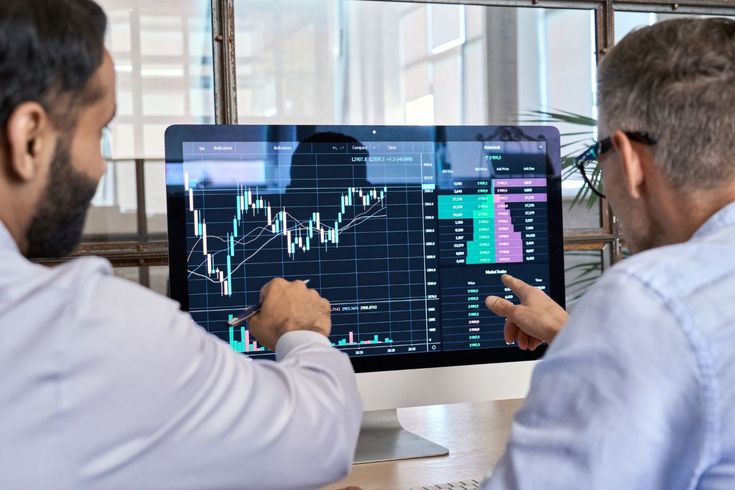
Introduction to Binance and Cryptocurrency Trading
Binance is recognized as one of the largest and most influential cryptocurrency exchanges in the world. Established in 2017, it has quickly gained prominence due to its extensive offering of cryptocurrencies, high liquidity, and user-friendly interface. The exchange supports numerous digital assets, including prominent ones like Bitcoin and Ethereum as well as various altcoins, making it a versatile platform for trading.
The significance of Binance in the cryptocurrency market cannot be overstated. It not only provides a space for trading a wide array of cryptocurrencies but also contributes significantly to overall market accessibility for both novice and experienced traders. With features such as spot trading, futures trading, and staking, Binance appeals to a diverse range of trading strategies and investment approaches, further solidifying its position in the industry.
Before embarking on your cryptocurrency trading journey, it is crucial to understand the fundamental concepts of trading and the market dynamics. Cryptocurrency trading involves buying low and selling high, which contrasts with traditional stock trading in several aspects. The volatility of cryptocurrencies can create significant profit opportunities, but it can also lead to considerable risks. Therefore, it is essential to equip oneself with adequate knowledge about market trends, asset performance, and effective trading strategies.
Trading assets on Binance goes beyond merely selecting cryptocurrencies on a wishlist. Traders must analyze market signals, financial news, and global economic factors influencing cryptocurrency prices. Additionally, the platform offers analytical tools and resources that can help beginners grasp market nuances, enabling informed decision-making. Thus, understanding the market landscape and its intricacies is critical to successful trading on Binance.
Setting Up Your Binance Account
To begin trading on Binance, the first crucial step is to set up your account, a process that is both straightforward and essential for ensuring the security of your funds. Start by visiting the Binance website, where you will find the “Register” button prominently displayed. Clicking this button will lead you to the account creation page.
On this page, you will be required to provide some personal information, including your email address and a secure password. It is imperative to create a strong password that combines letters, numbers, and special characters to enhance security. After entering your information, you will need to agree to Binance’s terms of service and click the “Create Account” button to proceed.
Following this, an email will be sent to the address you provided, containing a verification link. To activate your account, simply click on this link. This email verification step not only confirms the ownership of the email address but also adds an additional layer of security.
Once your email is verified, it is highly recommended to enable two-factor authentication (2FA). This is a vital security measure that helps to protect your account from unauthorized access. 2FA requires a second form of identification in addition to your password, usually through a mobile app such as Google Authenticator or SMS codes. Enabling 2FA significantly reduces the risk of unauthorized access and is a critical step for anyone engaged in trading.
After you have set up your 2FA, your Binance account will be ready for trading. Ensuring your account is properly set up and secured will lay the groundwork for a safe trading experience in the cryptocurrency market.
Understanding Binance’s Interface
Binance is one of the largest cryptocurrency exchanges globally, known for its user-friendly interface that facilitates seamless trading. As a new trader, becoming familiar with the layout of the Binance platform is crucial to enhancing your trading experience. The interface consists of several key sections that provide various functionalities tailored for both novice and experienced traders.
The heart of the Binance trading interface is the market dashboard, where users can view live cryptocurrency prices, trading volumes, and the performance of different asset pairs. The dashboard is equipped with real-time charts that help traders analyze price trends and movements, a feature particularly valuable for making informed trading decisions. Users can customize the layout to suit their preferences, allowing for an improved workflow when monitoring cryptocurrencies.
Another important aspect is the trading pairs. Binance offers hundreds of trading pairs that allow users to trade one cryptocurrency against another. For example, traders can exchange Bitcoin (BTC) for Ethereum (ETH) or any other supported asset. Understanding how to select and identify trading pairs is essential, as this affects not only liquidity but also potential returns on investments.
Furthermore, the order types available on Binance support various trading strategies. Users can place market orders, which execute immediately at the current market price, or limit orders, which are set to execute once a specific price condition is met. Familiarizing oneself with these order types is vital for managing trades effectively and optimizing the buying or selling process.
As you explore Binance’s interface, take advantage of the visual aids, such as tutorials or guides available on the platform. These resources can provide insights into the features of the platform, ultimately empowering you to navigate Binance confidently and enhance your trading capabilities.
Depositing Funds into Your Binance Account
To begin trading on Binance, the first step involves funding your account. Binance offers several deposit methods which cater to various preferences, including bank transfers, credit/debit cards, and direct cryptocurrency deposits. Each method has its own set of instructions and potential issues. Below, we will outline the steps for each method.
For bank transfers, users typically begin by navigating to their Binance wallet and selecting the “Deposit” option. Choose the fiat currency you wish to deposit and select bank transfer as your method. Make sure to follow the provided instructions for transferring the specified amount from your bank account to the designated Binance bank account. Always be aware of the potential delays associated with this method, which can take anywhere from a few hours to a few days, depending on your bank’s processing times.
Another popular method is using credit or debit cards. Binance allows users to quickly deposit funds using major cards. To do this, head to the “Deposit” section and select the option for credit/debit cards. After entering your card details and the amount to be deposited, Binance will process the payment instantly. However, it is crucial to ensure that your card is enabled for online transactions to avoid unnecessary complications. Additionally, while this method is convenient, be mindful of any associated fees that may apply.
Lastly, cryptocurrency deposits are straightforward for those who already own crypto. Users can deposit cryptocurrencies by navigating to the “Deposit” section, selecting the cryptocurrency, and copying the wallet address provided. Once you send the chosen cryptocurrency to this address, it generally reflects in your Binance account within a short period, though confirmations on the blockchain can cause delays. Ensure to double-check the wallet address before proceeding to avoid any loss of funds.
Choosing Your Trading Pair
When embarking on your trading journey on Binance, one of the pivotal decisions you will make is selecting your trading pair. A trading pair comprises two cryptocurrencies, where one is exchanged for the other. For example, in the BTC/USDT pair, Bitcoin (BTC) is traded against Tether (USDT), a stablecoin that mirrors the value of the US dollar. Understanding the mechanics of trading pairs is essential for successful trading.
There are numerous trading pairs available on Binance, each offering varied market dynamics. The primary distinction lies between fiat-to-crypto pairs and crypto-to-crypto pairs. Fiat-to-crypto pairs, such as USD/BTC, enable users to trade traditional currency against cryptocurrencies. In contrast, crypto-to-crypto pairs, such as ETH/BNB, allow for trading between two different cryptocurrencies. The choice of trading pair can significantly influence your trading strategy and potential profitability.
When selecting a trading pair, it is crucial to conduct comprehensive research on two main factors: market trends and news. Market trends provide insights into the performance of specific cryptocurrencies over time, allowing traders to determine which pairs may offer the best opportunities. Additionally, staying updated with the latest news can help you gauge market sentiment and identify potential volatility that may affect your chosen pairs.
Another important aspect to consider is liquidity. High liquidity in a trading pair typically results in narrower spreads and faster execution times, enhancing the overall trading experience. By concentrating on pairs with significant trading volumes, traders can enjoy better pricing and reduced risks associated with slippage.
Ultimately, the process of choosing your trading pair is integral to your success on Binance. By thoroughly analyzing these factors and remaining adaptable to changing market conditions, you can make informed decisions that align with your trading objectives.
Market Orders vs. Limit Orders: Understanding Order Types
When trading on Binance, understanding the different order types is essential for executing trades effectively and aligning with one’s trading strategy. Two primary types of orders are market orders and limit orders, each serving distinct purposes and carrying unique implications.
A market order is an instruction to purchase or sell a cryptocurrency at the current market price. This order type ensures immediate execution and is typically favored by traders who prioritize speed. It is especially useful in volatile market conditions, where rapid price changes can significantly affect available trading opportunities. However, one must remember that the actual execution price may differ from the quoted price, particularly in fast-moving markets.
On the other hand, a limit order allows traders to specify the maximum price they are willing to pay when buying or the minimum price they will accept when selling. This order type does not guarantee immediate execution and may remain open until the market reaches the specified price. Limit orders can help traders manage their risk by allowing them to buy at a lower price or sell at a higher price than the current market conditions. They are particularly beneficial in less liquid markets where price fluctuations can vary widely.
Choosing between a market order and a limit order depends on the trader’s goals and market context. For instance, a trader who seeks to quickly enter or exit a position in a highly liquid market might prefer a market order for its speed. Conversely, a trader who aims to maximize profits or minimize losses through strategic entry and exit points might opt for a limit order.
By understanding these order types, Binance users can tailor their trading strategies to better suit their objectives and navigate the crypto market effectively.
Executing Your First Trade
Executing your first trade on Binance can appear daunting, especially for new traders. However, the process is quite streamlined and user-friendly once familiar with the platform. To begin, you must log into your Binance account. Ensure that you have deposited funds either in cryptocurrency or fiat currency, as this will be essential for your trading activities.
The next step is selecting a trading pair. Binance offers a wide variety of cryptocurrencies, and each pair represents the exchange ratio between two currencies. For instance, if you wish to trade Bitcoin for Ethereum, you would select the BTC/ETH trading pair. It’s advisable to research the market conditions and trends of these pairs before making a selection.
Upon selecting your trading pair, you will have to choose an order type. Binance supports several order types, including market orders and limit orders. A market order allows you to buy or sell a cryptocurrency at the current market price, which is the quickest way to execute a trade. Conversely, a limit order lets you set a specific price at which you want to buy or sell, giving you more control over your transaction but may take longer to fill.
After setting your order type, you need to specify the amount you want to trade. Review all the transaction details carefully. Make sure to check the total cost, including any associated fees, to avoid surprises. This is also an excellent moment to double-check your trading pair and order type. Once you are satisfied, confirm the trade to complete the transaction.
For first-time traders, it is crucial to start small. Begin with a modest investment to get comfortable with the process and gradually enhance your trading skills and strategies over time. Additionally, familiarize yourself with Binance’s trading platform and tools, as they offer educational resources that can further aid novice traders in executing successful trades.
Monitoring and Managing Your Trades
To successfully trade on Binance, it is crucial to actively monitor open trades and manage them effectively. The Binance interface offers various tools and options to help traders keep track of their investments. After placing an order, traders can view their open trades in the “Open Orders” section. Monitoring these trades involves regularly checking the price movements of the traded assets and the overall market conditions.
Charts play a vital role in this process, as they visually represent market trends and price fluctuations. Binance provides numerous charting tools, including candlestick charts that display price data over a specified period. Understanding how to interpret these charts can significantly enhance your trading decisions. For example, recognizing patterns such as support and resistance levels can help traders predict future price movements and make informed adjustments to their strategies.
In addition to analyzing charts, Binance offers various trading tools such as stop-limit orders and market orders, allowing traders to automate their trades to a certain extent. A stop-limit order helps to manage risk by setting a specific price at which a trade should execute, whereas a market order allows for immediate execution at the current market price. Utilizing these tools can help you navigate volatile market conditions more effectively.
It is essential to be responsive and ready to adjust trading strategies based on market changes. This might involve re-evaluating positions, taking profit when targets are met, or cutting losses when the market moves unfavorably. By continuously monitoring trades and utilizing the available tools on Binance, traders can enhance their chances of achieving their trading goals efficiently.
Security Tips and Best Practices for Binance Trading
Maintaining security while trading on Binance is critical to protecting your assets from potential threats. The first step in safeguarding your personal information is to utilize strong, unique passwords for your Binance account. It is advisable to create a password that combines letters, numbers, and special characters, ideally exceeding 12 characters in length. Never reuse passwords from other accounts to reduce vulnerability.
Enabling two-factor authentication (2FA) is an integral part of securing your account. By requiring a second form of verification, 2FA adds an additional layer of security that can significantly deter unauthorized access. It is recommended to use an authenticator app rather than SMS for 2FA, as this method is less susceptible to interception.
Phishing attacks are a prevalent threat within the cryptocurrency trading environment. To recognize such attempts, always check the URL of the Binance website and ensure it is the correct domain before entering any personal information. Avoid clicking on links in unsolicited emails or messages that claim to be from Binance, as these often lead to fraudulent sites designed to steal your credentials.
Being vigilant about account activity is also essential. Regularly review your account for any unauthorized transactions or unusual login attempts. If you notice anything suspicious, immediately change your password and contact Binance support for assistance. Additionally, keeping your device secure by regularly updating software and employing antivirus measures is advisable to prevent malware infections.
Lastly, periodically assess your security settings within your Binance account. Updating these settings and employing the latest security features offered by Binance can further enhance your protection against hacks and breaches. By implementing these best practices, you can create a safer trading environment on Binance.