





Introduction to Liquidity Pools
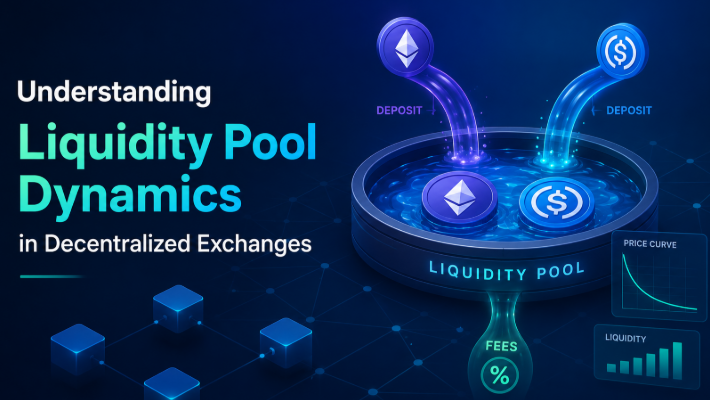
Liquidity pools are vital components of decentralized exchanges (DEXs), providing necessary liquidity that enables users to execute transactions efficiently. Unlike traditional exchanges, which rely on an order book system to match buyers and sellers, decentralized exchanges utilize liquidity pools to facilitate trading. In a liquidity pool, users deposit pairs of tokens into a smart contract, creating a reserve that traders can access in order to complete their trades.
Each liquidity pool consists of two or more tokens, which are locked into a smart contract to ensure transparency and security. When a trader wants to exchange one token for another, they can do so directly through the liquidity pool. This process occurs without the need for an intermediary, thus enhancing speed and reducing transaction costs. The automated nature of liquidity pools allows for continuous availability of liquidity, ensuring that trades can occur even at non-peak times when order books might be thinly populated.
The role of liquidity pools extends beyond mere trade facilitation. They help improve price stability and reduce slippage during transactions, enabling traders to execute trades closer to the market price. Furthermore, liquidity providers who contribute to these pools earn fees from transaction activities, thus incentivizing their participation and further bolstering the liquidity available in the DEX. This contrasts sharply with traditional exchanges, where liquidity often depends on market makers and can lead to higher volatility.
In summary, liquidity pools serve as a foundational mechanism in decentralized exchanges, offering a seamless trading experience while promoting market stability. Understanding their operation and significance is crucial for users and investors looking to navigate the evolving landscape of decentralized finance.
The Mechanics of Liquidity Pools
Liquidity pools are a fundamental element of decentralized exchanges (DEXs), enabling automated trading without the need for traditional order books. At the core of liquidity pools are liquidity providers (LPs), who contribute their assets typically in pairs, enabling users to trade between them. In return for their contribution, LPs earn a share of the fees generated from trades executed within the pool. This model incentivizes asset holders to contribute their tokens, thereby improving market efficiency.
Automated market makers (AMMs) are protocols that utilize these liquidity pools to facilitate trading. Rather than relying on buyers and sellers to place orders, AMMs use predefined mathematical formulas to determine asset prices based on the ratio of tokens within the pool. For instance, a common model employed by many AMMs is the constant product formula, expressed as x * y = k, where x and y represent the quantities of two different tokens, and k is a constant. This ensures that as one token is bought, its supply decreases, consequently increasing its price, while the converse happens when a token is sold.
The stability of a liquidity pool hinges on the mathematical algorithms governing its operation. These algorithms continuously adjust the prices and ensure adequate liquidity, minimizing slippage. Furthermore, they also manage impermanent loss, a phenomenon where LPs might experience losses relative to holding assets outside the pool due to fluctuations in asset prices. Understanding the mechanics of liquidity pools is crucial for both participants and investors in the decentralized finance (DeFi) ecosystem, as it directly impacts trade outcomes and profitability.
Benefits of Liquidity Pools
Liquidity pools play a pivotal role in the operations of decentralized exchanges (DEXs), providing a range of advantages over traditional trading methods. One of the primary benefits of liquidity pools is the significant reduction of slippage during transactions. Slippage occurs when the execution price of a trade differs from the expected price, often due to low liquidity in order books. In contrast, liquidity pools maintain a continuous supply of assets, ensuring that traders can execute orders closer to their desired prices, even for larger transactions.
Another notable advantage is the 24/7 trading capability that liquidity pools offer. Unlike traditional exchanges that may have operating hours, decentralized exchanges facilitate round-the-clock trading, allowing individuals to buy and sell assets at their convenience. This constant availability caters to global market participants, eliminating time zone limitations and enhancing overall market participation.
Furthermore, the fee structure associated with liquidity pools is generally more favorable compared to conventional trading platforms. Many DEXs impose lower trading fees, which can incentivize traders to use these platforms, especially for frequent transactions. This not only minimizes the cost of trading but also encourages a more active trading environment.
In addition to these benefits, liquidity providers (LPs) are incentivized to contribute to liquidity pools through various mechanisms. They often receive a share of the transaction fees generated within the pool, which can lead to a steady stream of passive income. Additionally, some platforms offer rewards in the form of native tokens for providing liquidity, further enhancing the appeal of participating in liquidity pools. These incentives create a symbiotic relationship between liquidity providers and traders, fostering a vibrant and dynamic trading ecosystem.
Risks Associated with Providing Liquidity
Providing liquidity to decentralized exchanges (DEXs) is a practice embraced by many investors seeking to maximize returns through liquidity pools. However, it is imperative to be aware of the inherent risks associated with this strategy. One of the most significant risks is impermanent loss, a phenomenon that occurs when the value of tokens deposited into a liquidity pool diverges significantly from their value outside the pool. This loss is termed ‘impermanent’ as it may be reversed if the prices of the tokens stabilize over time; nonetheless, it is crucial for liquidity providers to understand how impermanent loss can affect their returns.
Another risk involves smart contract vulnerabilities. Decentralized exchanges rely on smart contracts to facilitate transactions and manage liquidity pools. These contracts, if not properly audited, can be susceptible to various attacks or exploits, leading to potential loss of assets for liquidity providers. Thus, it is essential to conduct thorough research into the smart contracts being used in the liquidity pools and the reputations of the developers behind them.
Furthermore, market volatility can dramatically impact the performance of liquidity pools. The highly volatile nature of cryptocurrencies means that sudden market shifts can lead to rapid fluctuations in token prices, thereby affecting the overall liquidity and profitability of the pool. It is advisable for liquidity providers to stay informed about market trends and adopt a risk management strategy that aligns with their investment goals.
To mitigate these risks, liquidity providers can employ various strategies, such as diversifying their liquidity across multiple pools, setting realistic expectations regarding returns, and utilizing stop-loss orders where applicable. By being aware of these potential pitfalls and employing sound risk management practices, investors can engage in liquidity provision with greater confidence.
Liquidity Pool Dynamics and Market Behavior
Liquidity pools play a critical role in the functioning of decentralized exchanges (DEXs) by facilitating trading and enhancing market efficiency. The dynamics within these pools directly influence market behavior and the volume of trades executed. A key factor affecting liquidity is the size of the liquidity pool; larger pools typically provide lower slippage, making them more attractive to traders. This leads to increased trading volume, reinforcing the liquidity available for various trading pairs.
Additionally, trading volumes themselves significantly impact liquidity pool dynamics. Higher trading volumes can draw in more liquidity providers due to the potential for increased earnings through trading fees. Conversely, if trading volumes decline, liquidity providers may pull funds from the pool, resulting in decreased liquidity. This phenomenon can create a vicious cycle, further deterring trading activity.
Asset price fluctuations also directly affect the behavior of liquidity pools. When there are higher price volatility and substantial movements in asset prices, liquidity pools may experience significant changes in their composition. This can lead to impermanent loss for liquidity providers, causing them to reevaluate their participation in the pools. Moreover, external events such as regulatory news, technological advancements, or shifts in market sentiment can have profound effects on liquidity. For instance, the announcement of new partnerships or technological upgrades can trigger sudden interest in a specific asset, leading to increased deposits into its associated liquidity pool.
The interplay between these factors highlights the importance of understanding liquidity pool dynamics. Market actors must consider not only the direct attributes of the pools themselves but also the broader market environment influencing trading behaviors. By appreciating these dynamics, traders and liquidity providers can make informed decisions to optimize their strategies in decentralized finance (DeFi) environments.
Case Studies of Successful Liquidity Pools
Decentralized exchanges (DEXs) have revolutionized the trading landscape, and successful liquidity pools have been pivotal in this transformation. This section explores notable case studies from various DEXs to highlight the elements that contributed to their success, alongside the assets involved and the outcomes for both liquidity providers and traders.
One prominent example is the liquidity pool for Ethereum (ETH) and DAI on Uniswap, a leading decentralized exchange. This pool gained significant traction shortly after its launch due to the high demand for stablecoin trading against ETH. Liquidity providers were incentivized by attractive fees accrued from trading activities, which subsequently bolstered liquidity depth. As a result, users were able to execute trades efficiently while mitigating slippage—an essential factor in trading performance. The volume of trades, coupled with the yield generated for liquidity providers, highlights the symbiotic relationship achieved through effective liquidity pool dynamics.
Another successful liquidity pool can be found on SushiSwap, specifically the pool combining Wrapped Bitcoin (WBTC) with Ethereum (ETH). This pool became popular due to the burgeoning interest in Bitcoin as a DeFi asset. The availability of liquidity for trading WBTC against ETH enabled traders to maximize their investment strategies. In turn, liquidity providers benefited from the transaction fees generated by high trading activity. Furthermore, incentivization through native governance tokens attracted even more liquidity, contributing to the overall health of the pool.
These case studies exemplify how the interplay of asset selection, user incentives, and trading volume can lead to the success of liquidity pools. By understanding these dynamics, future liquidity providers can better gauge their involvement in decentralized finance and enhance their strategies, ultimately benefiting both themselves and the trading ecosystem.
Future Trends in Liquidity Pool Mechanics
The evolution of liquidity pool mechanics is poised for significant transformation as decentralized exchanges (DEXs) adapt to emerging technologies and market demands. One of the most notable trends is the proliferation of layer 2 solutions, which are designed to enhance both the scalability and transaction speed of blockchain networks. By enabling faster and cheaper transactions, layer 2 solutions will likely facilitate deeper liquidity pools. This improvement may attract more users to DEXs, which could further enhance the liquidity available across various trading pairs.
Additionally, the concept of cross-chain liquidity is becoming increasingly critical. As more projects move towards a multichain ecosystem, the ability to access liquidity from different blockchains will be essential for DEXs. Protocols that enable seamless asset swaps across various chains can optimize liquidity pools and create a more fluid trading environment. This innovation will not only broaden market opportunities but also enable users to benefit from arbitrage opportunities arising from price discrepancies across different platforms.
Furthermore, advancements in automated market maker (AMM) designs will influence how liquidity pools function. Traditional AMM models, such as those used by Uniswap, might evolve to incorporate dynamic pricing mechanisms that respond to market conditions more efficiently. Innovations like concentrated liquidity and dynamic fee structures could improve capital efficiency, attracting liquidity providers who seek better returns on their investments. These innovations will likely lead to the development of hybrid models that combine traditional order book mechanics with AMM functionalities, providing users with more choices and enhancing overall trading experiences.
As these trends unfold, the landscape of decentralized exchanges will undergo substantial changes, fundamentally altering how liquidity pools operate. Keeping abreast of such developments is critical for investors and traders eager to exploit new opportunities in the DEX space.
Regulatory Considerations for Liquidity Pools
The rise of decentralized exchanges (DEXs) and liquidity pools has prompted governments and regulatory bodies worldwide to examine the implications of these innovations within the context of existing financial frameworks. Liquidity pools enable users to trade assets without the need for traditional market intermediaries, thereby increasing efficiency and accessibility. However, this paradigm shift raises significant regulatory considerations that need to be addressed.
Currently, various jurisdictions have begun to outline regulations that pertain to decentralized finance (DeFi) and crypto-assets. In some regions, authorities classify liquidity pools and DEXs as either securities or similar to traditional financial products, a classification that requires compliance with existing securities laws. For instance, the U.S. Securities and Exchange Commission (SEC) has sought to regulate various aspects of the cryptocurrency markets, emphasizing the need for transparency, consumer protection, and anti-money laundering (AML) standards.
In addition to regulatory clarity, these frameworks also seek to address the risks associated with liquidity pools, such as impermanent loss and market manipulation. Regulators advocate for the development of protocols that facilitate user education and informed decision-making. As the landscape evolves, there may be an introduction of specific licenses for operators of liquidity pools or DEXs, thereby ensuring a level of scrutiny comparable to that prevalent in traditional finance.
Looking ahead, the potential for global harmonization of regulations is a possibility, although it remains uncertain. Cross-border collaboration among regulatory bodies could mitigate arbitrage opportunities that arise due to disparate regulations. Nonetheless, with the rapid development of technologies like automated market makers and decentralized governance, continuous dialogue between innovators and regulators will be imperative to foster a balanced regulatory environment that supports innovation while safeguarding the interests of all market participants.
Conclusion and Final Thoughts
Understanding liquidity pool dynamics is essential for anyone actively engaging in decentralized finance (DeFi) trading and investing. Liquidity pools, as primary instruments in decentralized exchanges (DEX), facilitate the seamless execution of trades by providing the necessary liquidity that users depend on. These pools allow for greater market efficiency and help maintain stable prices, making them crucial in the volatile landscape of cryptocurrencies.
Key takeaways from our discussion underscore the importance of both the mechanics and the implications of participating in liquidity pools. For traders, recognizing how liquidity pools operate and the potential returns from provisioning liquidity can significantly affect their strategies. Investors, on the other hand, should be cautious of impermanent loss and other risks associated with liquidity provision, thus understanding these dynamics better equips them to make informed decisions.
The exploration of DEX opportunities is vast and continues to evolve, but the foundational knowledge of liquidity pools remains constant. As decentralized exchanges grow in popularity, the integration of advanced strategies and tools will also become available, providing both traders and investors with further avenues to maximize their returns. As this sector develops, staying informed about changes in liquidity dynamics will not only enhance trading success but also contribute to a deeper understanding of the DeFi ecosystem.
In light of these factors, it is highly encouraged that individuals take the initiative to further explore various DEX platforms, analyze their unique liquidity pool structures, and test different strategies to optimize their participation. Continuous learning and adaptation are paramount in this rapidly changing financial terrain. Engaging deeply with liquidity pool mechanics will empower traders and investors to navigate the DeFi landscape more effectively, thereby enhancing their overall experience and success.