




Understanding Cryptocurrency Markets
Cryptocurrency markets have emerged as a dynamic environment for trading, heavily influenced by their unique structure and volatility. At the core of these markets are factors such as market structure, trading volumes, and prevalent trading pairs, all of which significantly impact trading opportunities.
The market structure of cryptocurrencies functions differently from traditional markets. It operates 24/7, allowing traders to engage in transactions at any time, which facilitates immediate reactions to new information or shifts in market sentiment. This constant activity can create various lucrative trading opportunities for both new and experienced traders. Understanding the layout of exchanges and the different types of orders (such as limit and market orders) is essential for efficient navigation.
Trading volume serves as a critical indicator of market activity and liquidity. High trading volumes typically suggest greater interest in a particular cryptocurrency, which can be indicative of potential price movements. Engaging with cryptocurrencies that exhibit substantial trading volumes can enhance a trader’s ability to execute orders swiftly and at desired prices. Conversely, low volume may result in increased price volatility and slippage, which traders should be cautious about, especially when initiating large orders.
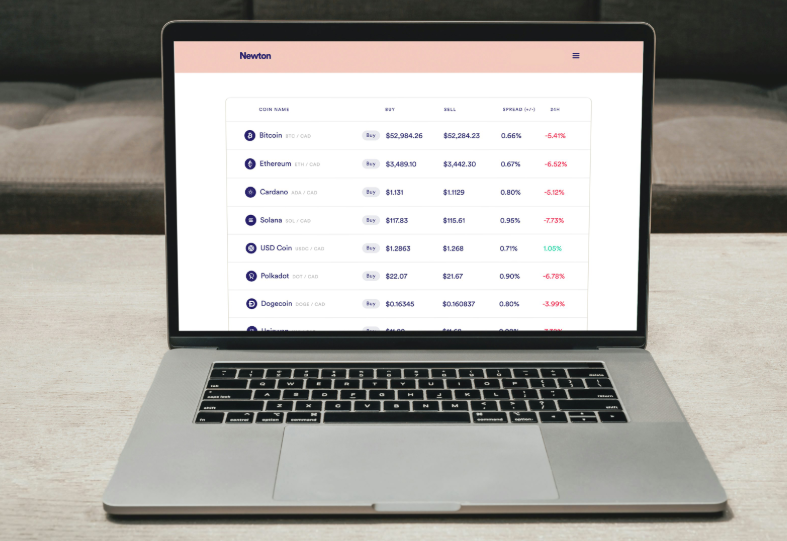
Common trading pairs, such as Bitcoin to Ethereum or Bitcoin to USDT (Tether), are foundational in understanding how cryptocurrency markets operate. These pairs allow traders to exchange one cryptocurrency for another, thus facilitating diversification and investment strategies. Beginners should familiarize themselves with these pairs, as they often present the most reliable opportunities, given their higher liquidity and trading volume.
In essence, comprehending the basics of cryptocurrency markets, including their structure, trading volumes, and frequently traded pairs, provides a solid foundation for identifying trading prospects. By grasping these essential elements, traders can more effectively maneuver through the complexities of cryptocurrency trading and leverage the opportunities available in this rapidly evolving landscape.
Essential Tools for Crypto Trading
In the rapidly evolving landscape of cryptocurrency trading, having the right tools can significantly enhance a trader’s ability to identify lucrative opportunities. Various platforms and software have been developed to assist traders in analyzing market trends, executing trades efficiently, and managing their portfolios.
One of the primary categories of tools used in crypto trading includes trading platforms. Many traders turn to popular exchanges such as Binance, Coinbase, and Kraken, which not only facilitate the buying and selling of cryptocurrencies but also provide advanced trading features. These platforms often contain integrated charts, allowing traders to visualize price movements and trends over various time frames. Additionally, some exchanges offer a range of order types, including limit and market orders, to cater to different trading strategies.
Beyond basic trading functionalities, several analytical tools can provide traders with valuable insights. Platforms like CoinMarketCap and CoinGecko aggregate market data, such as price, trading volume, and market capitalization, which are crucial in determining the overall health of a cryptocurrency. Furthermore, these tools often feature charts that display historical data, empowering traders to conduct technical analysis effectively.
Moreover, some traders may opt for more sophisticated analytical software like TradingView, which offers advanced charting tools and customizable indicators. This platform supports a variety of technical analysis features, including moving averages, MACD, and RSI, which can help traders make informed decisions based on identified patterns.
Additionally, automated trading bots, such as those offered by platforms like 3Commas or Cryptohopper, have gained traction among traders looking to enhance their trading efficiency. By automating trading processes, these bots can execute trades based on pre-defined parameters, potentially capitalizing on market movements without the need for constant monitoring.
Ultimately, the choice of tools and platforms in cryptocurrency trading can significantly influence a trader’s success. Understanding available options and leveraging them effectively can provide a substantial advantage in navigating the complexities of the crypto market.
Fundamental Analysis in Crypto Trading
Fundamental analysis is a critical component for traders seeking to identify lucrative opportunities in the cryptocurrency market. By focusing on the intrinsic value of a cryptocurrency, fundamental analysis enables traders to assess whether a virtual asset is under or overvalued, which can inform their trading decisions.
One key aspect of this analysis involves evaluating the underlying technology of a cryptocurrency. The technological framework can determine a cryptocurrency’s potential for scalability, security, and efficiency, which are vital for its long-term viability. For instance, blockchain innovations or improved transaction protocols can enhance a coin’s appeal among investors and stakeholders.
In addition to technology, the team behind a cryptocurrency plays a crucial role in its assessment. A strong development team with a proven track record can instill confidence in investors, suggesting that the project is more likely to succeed. Thorough research into the team’s expertise and experience helps traders establish a reliable foundation for their investment decisions.
The use case of a cryptocurrency also significantly impacts its perceived value. Cryptocurrencies that serve clear and practical purposes tend to attract more interest and investment. Traders often look for projects that tackle real-world problems, as these are more likely to gain traction in the marketplace.
Market sentiment serves as another important factor in fundamental analysis. Traders must be aware of public perception and how it influences price movements. Positive news coverage, partnerships, and community engagement can bolster confidence, leading to price increases, while negative events could trigger fears and sell-offs. Assessing sentiment through social media, news outlets, and market trends helps traders gauge potential shifts in demand.
In conclusion, fundamental analysis is indispensable for identifying trading opportunities in the cryptocurrency market. By examining a cryptocurrency’s technology, team, use case, and market sentiment, traders can make informed decisions and better navigate the complexities of this dynamic environment.
Technical Analysis Techniques for Crypto Traders
Technical analysis is a fundamental aspect of cryptocurrency trading, enabling traders to make informed decisions based on price movements and market psychology. A key concept within this analytical framework is the identification of support and resistance levels. Support refers to a price level at which a downtrend may pause due to a concentration of demand, whereas resistance is a level where an uptrend might stall due to an abundance of supply. Recognizing these levels can help traders predict potential price reversals, thus indicating possible trading opportunities.
Another crucial element of technical analysis involves chart patterns. Patterns such as head and shoulders, triangles, and flags are used to forecast future price movements based on historical data. For instance, a head and shoulders pattern typically signals a trend reversal, while a triangle pattern may indicate a consolidation phase before a potential breakout. By analyzing these patterns, traders can position themselves advantageously in the market.
In addition to chart patterns, traders often utilize various indicators to enhance their analysis. Common indicators include moving averages, the Relative Strength Index (RSI), and Bollinger Bands. Moving averages smooth out price fluctuations, allowing traders to identify the overall trend direction. The RSI, on the other hand, measures the speed and change of price movements, providing insights into whether a cryptocurrency is overbought or oversold. Bollinger Bands offer dynamic levels of support and resistance, helping traders gauge volatility and potential price targets.
Overall, mastering these technical analysis techniques is essential for cryptocurrency traders looking to uncover lucrative trading opportunities. By employing support and resistance levels, recognizing chart patterns, and utilizing indicators, traders can develop a structured approach to navigate the volatile cryptocurrency market. This combination of techniques not only enhances trading strategies but also increases the likelihood of making profitable trades.
Monitoring News and Events Impacting Cryptocurrency
The cryptocurrency market is highly responsive to global news and events, significantly affecting price fluctuations and trading opportunities. Major developments in technology, regulatory changes, economic indicators, and geopolitical tensions can create volatility that savvy traders can capitalize on. By being aware of these influences, investors can position themselves to benefit from opportunities as they arise.
Regulatory announcements from governments worldwide often lead to immediate impacts on the cryptocurrency market. For instance, if a country proposes stringent regulations on cryptocurrency exchanges, prices may drop as traders react to potential obstacles in trading. Conversely, positive news such as the legalization of Bitcoin in a significant market could invigorate demand and drive prices higher. Keeping track of these regulatory developments is crucial in identifying trends and making informed trading decisions.
In addition to regulatory news, investors should monitor technological advancements and partnerships within the cryptocurrency sphere. Innovations—such as improvements in blockchain technology—can enhance the utility of particular cryptocurrencies, causing surges in demand. Following industry leaders on social media and subscribing to technology news platforms can provide early insights on these pivotal developments.
Another important aspect to consider is the role of market sentiment, which can be influenced by various factors, including social media trends and public personalities endorsing cryptocurrencies. Platforms like Twitter and Reddit often serve as barometers for the market mood, leading to sudden spikes or drops in cryptocurrency value based on community sentiment.
To ensure that you are receiving reliable information, consider subscribing to established financial news outlets and cryptocurrency-specific platforms that focus on research and analysis. Utilizing news aggregation sites can also help streamline the information gathering process. Adopting a structured approach to monitor relevant news allows traders to react promptly to market-moving events, helping them to maintain a competitive edge in the unpredictable world of cryptocurrency trading. In conclusion, astute traders should prioritize staying informed about news and events that can directly influence cryptocurrency prices to maximize their trading strategies.
Social Media and Community Insights
The proliferation of social media platforms has significantly transformed the landscape of cryptocurrency trading. Traders increasingly turn to channels such as Twitter and Reddit not only for real-time news updates but also for valuable insights and predictions on market movements. These platforms act as hubs for discussions, enabling traders to gauge market sentiment and identify lucrative trading opportunities.
On Twitter, influential figures within the cryptocurrency community often share their analyses or predictions about specific cryptocurrencies, market trends, or regulatory news. Following these thought leaders can provide traders with timely information that may affect price movements. For instance, tweets from industry experts or well-known traders can initiate intense trading activity, leading to price spikes or drops. The immediacy of Twitter allows traders to react quickly to these developments, which can be critical in the highly volatile cryptocurrency market.
Similarly, Reddit hosts a variety of communities (subreddits) dedicated to different cryptocurrencies or trading strategies. Within these forums, users frequently post analyses, share their trading experiences, and discuss both promising projects and potential pitfalls. The collective knowledge and diverse opinions presented on these platforms can serve as a valuable resource for traders seeking to make informed decisions. Engaging in these communities also facilitates discussions around upcoming trends or lesser-known cryptocurrencies that may present emerging trading opportunities.
Moreover, social media serves as a barometer for public interest and excitement about particular cryptocurrencies. Monitoring trending topics, hashtags, or posts can provide early indicators of growing momentum, allowing traders to position themselves strategically ahead of price fluctuations. While relying solely on social media for trading decisions may not suffice, the insights gathered from these platforms can significantly complement a trader’s research strategy.
In summary, leveraging social media and online community discussions plays a vital role in identifying lucrative trading opportunities in the cryptocurrency space. By staying engaged with these platforms, traders can enhance their understanding of market dynamics and participate more effectively in the vibrant world of cryptocurrency trading.
Risk Management Strategies
Effective risk management is crucial for any investor in the cryptocurrency market, given its high volatility and unpredictability. Without a solid risk management strategy, traders may find themselves exposed to significant risks that could lead to severe financial losses. One of the primary strategies to protect investments in cryptocurrency is by setting stop-loss orders. A stop-loss order is an instruction to sell a specific asset when it reaches a certain price, thus limiting potential losses. For instance, if a trader purchases Bitcoin at $50,000, they might set a stop-loss order at $45,000. This way, if the price falls unexpectedly, the order will automatically execute, safeguarding part of the investment.
Another vital component of risk management in cryptocurrency trading is the diversification of the portfolio. Investors should avoid placing all their funds into a single cryptocurrency or investment vehicle. Instead, by spreading investments across various cryptocurrencies, traders can mitigate the risk associated with any single asset’s price fluctuations. A diversified portfolio can include a mix of established cryptocurrencies like Bitcoin and Ethereum, alongside smaller, emerging tokens. This strategy enhances potential returns while also balancing the risk profile.
Additionally, traders should consider establishing a risk-reward ratio before entering any trade. This ratio allows traders to assess whether the potential reward justifies the risk taken. For example, a risk-reward ratio of 1:3 means that for every dollar risked, the trader aims for three dollars in profit. By evaluating trades through this lens, investors can make more informed decisions that align with their risk tolerance.
Incorporating these risk management strategies will not only protect traders’ investments but also help to foster a more disciplined approach in navigating the complexities of the cryptocurrency market. A well-thought-out risk management plan is essential for any trader aiming to succeed in the volatile landscapes of cryptocurrency trading.
Identifying Market Trends
Recognizing and leveraging market trends is essential for making informed trading decisions in the cryptocurrency market. Market trends are the general direction in which the price of an asset moves, and they can be categorized primarily into three types: upward (bull markets), downward (bear markets), and sideways (ranging markets). Understanding these trends can significantly enhance a trader’s ability to predict price movements and identify potential trading opportunities.
A bull market is characterized by rising prices and an overall positive sentiment among investors. During such periods, demand often outpaces supply, leading to sustained price increases. Traders typically seek to enter long positions during bull markets, hoping to profit from the upward momentum. Conversely, a bear market is marked by declining prices and increased pessimism, where traders may look to capitalize on short positions to benefit from falling prices. Identifying the shift from a bull to a bear market, or vice versa, is critical for successfully navigating cryptocurrency trading.
Trend analysis plays a crucial role in recognizing these market conditions. One common method of trend analysis involves using moving averages, which smooth out price data over a specific period to identify the direction of a trend. For instance, when the short-term moving average crosses above the long-term moving average, it may signal a bullish trend, whereas the opposite crossing could indicate a bearish trend. In addition to moving averages, technical indicators such as the Relative Strength Index (RSI) and MACD (Moving Average Convergence Divergence) help traders assess market momentum and potential reversals.
By utilizing these tools, traders can gain valuable insights into market trends, which can guide their trading strategies and enhance their likelihood of success. Recognizing market trends not only aids in determining entry and exit points but also helps manage risk effectively. In conclusion, a comprehensive understanding of market trends is indispensable for traders aiming to seize lucrative opportunities in the cryptocurrency market.
Creating a Personal Trading Strategy
Developing a personal trading strategy is essential for anyone looking to engage effectively in cryptocurrency trading. A well-crafted strategy not only delineates how one approaches the market but also aligns with personal financial goals, risk tolerance, and trading style. To begin, traders should consider combining various analytical methods, such as technical analysis, fundamental analysis, and sentiment analysis. Each of these can provide distinct insights into market trends and potential trading opportunities.
Technical analysis relies on historical price data and trading volume to forecast future price movements. Utilizing chart patterns, indicators, and other tools can help traders identify entry and exit points. On the other hand, fundamental analysis involves assessing the underlying factors that influence the value of cryptocurrencies, such as technological developments, regulatory news, or market sentiment. By incorporating both types of analyses, traders can gain a more comprehensive view of the market.
It is also crucial for traders to establish clear personal goals, such as desired profits, acceptable levels of risk, and the time frame for trading. These goals will help inform decision-making and provide direction when market conditions change. After establishing a trading strategy, thorough testing is a must. Simulating trades using historical data or practicing in a demo account enables traders to assess their strategies’ effectiveness without risking actual capital. This step is vital, as it allows adjustments and refinements based on real-world scenarios.
Moreover, adapting the strategy to changing market conditions is crucial for long-term success. The cryptocurrency market is known for its volatility, which means a strategy that works in a bullish market may not be as effective in a bear market. Continuous education, staying updated with market trends, and being flexible enough to make necessary adjustments will help traders navigate the complexities of the cryptocurrency landscape. By developing, testing, and adjusting their personal trading strategies, traders can better position themselves to exploit lucrative trading opportunities in the ever-evolving crypto market.