




Defining Altcoin Season
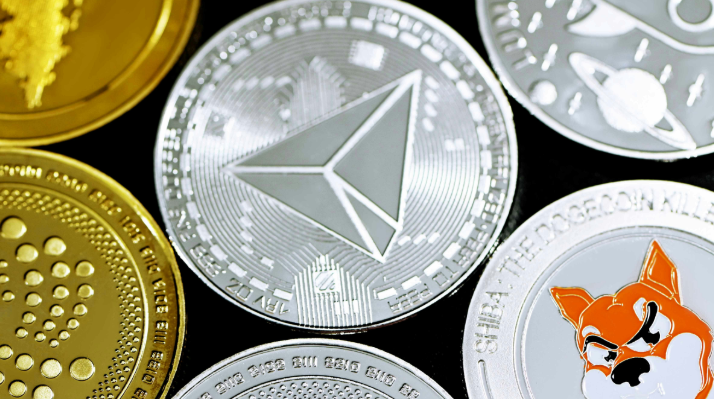
Altcoin season refers to a specific phase in the cryptocurrency market characterized by a significant surge in the prices and trading volumes of altcoins, which are cryptocurrencies other than Bitcoin. During this period, investors often shift their focus from Bitcoin, the leading cryptocurrency, towards other alternative coins, searching for greater profit opportunities. This shift is usually marked by a decrease in Bitcoin’s market dominance, indicating that altcoins are capturing a larger share of the total market capitalization.
The phenomenon of altcoin season can be associated with various factors, including market sentiment, technological advancements, and broader economic trends. Historically, altcoin seasons have been triggered by bullish movements in the overall cryptocurrency market, often following a substantial rally in Bitcoin. As Bitcoin reaches new price highs, it can create a ripple effect, whereby investors, having profited from their Bitcoin holdings, begin reallocating their capital into altcoins, which may offer greater potential returns due to their relatively lower market caps. This behavior emphasizes the risk-reward relationship that many traders consider when navigating the markets.
Understanding the dynamics of altcoin season is essential for investors as it provides valuable insights into market trends and sentiment. During this time, certain altcoins may outperform Bitcoin, leading to potential gains for those who strategically invest in these assets. Conversely, with increased volatility typically associated with altcoin markets, there is also a heightened risk that investors must manage. Hence, discerning the timeframe and characteristics of altcoin season helps investors make informed decisions regarding their portfolios and overall market strategies.
Historical Context of Altcoin Seasons
The phenomenon of altcoin seasons has played a significant role in shaping the cryptocurrency landscape over the years. Understanding the historical patterns of these periods provides insight into market dynamics and the relationships between various digital assets. An altcoin season is characterized by a marked increase in the price and trading volume of altcoins, as compared to Bitcoin, often fueled by investor sentiment and market speculation.
One of the earliest and most notable altcoin seasons occurred in late 2013 when several altcoins surged in value as Bitcoin began to gain mainstream attention. During this time, coins like Litecoin and Ripple experienced dramatic increases in their market caps. The events highlighted how altcoins could capitalize on Bitcoin’s growing visibility, encouraging investors to explore alternatives to Bitcoin in pursuit of higher returns.
In 2017, following a significant bull market led by Bitcoin, the cryptocurrency space saw one of its most explosive altcoin seasons. With Bitcoin reaching an all-time high in December, many altcoins, including Ethereum and Cardano, exhibited substantial price growth. This period showcased a heightened interest in blockchain technology that transcended Bitcoin, resulting in numerous Initial Coin Offerings (ICOs) and the introduction of valuable projects. The correlation between Bitcoin prices and altcoin developments became increasingly evident, with many altcoins benefiting from Bitcoin’s upward momentum.
As altcoin seasons have evolved, various factors such as technological advancements, regulatory changes, and market speculation have influenced their timing and duration. For instance, the market behaviors during altcoin seasons can often be linked to Bitcoin’s fluctuations; a rising Bitcoin price typically leads to significant interest in altcoins, whereas declining prices can suppress altcoin performance. Consequently, the historical context of altcoin seasons reflects a complex interplay of market factors that investors must consider when navigating the cryptocurrency ecosystem.
Indicators of an Incoming Altcoin Season
Identifying the onset of an altcoin season can be a critical factor for investors seeking to optimize their portfolios. Several key indicators often signal the likelihood of an altcoin season, providing market participants with essential insights.
Firstly, a notable shift in market trends is one of the most significant signs. Historically, altcoin seasons are characterized by a substantial increase in the price and market capitalization of various altcoins alongside a corresponding decrease in Bitcoin’s dominance. As Bitcoin’s market share drops, it often indicates that investors are diverting their capital to alternative cryptocurrencies. Observing Bitcoin’s fluctuation can therefore serve as a preliminary indicator of evolving market dynamics.
Moreover, examining changes in trading volumes for altcoins can provide further clues. When trading volumes for specific altcoins rise unusually high, it may indicate heightened interest from investors, potentially signaling the beginning of a new altcoin season. Increased trading activity can suggest that investors are confidently reallocating funds, driven by optimism regarding upcoming projects or market developments.
Investor sentiment also plays a crucial role in predicting the timing of an altcoin season. Positive news related to regulatory developments, technological advancements, or successful project launches can elevate investor confidence. Tracking social media discussions, forum sentiments, and other public engagement metrics can help gauge the overall mood of the market. A prevailing positive sentiment often precedes a surge in altcoin investment as investors become more willing to explore beyond Bitcoin.
Lastly, looking at the broader economic climate can also contribute to forecasting altcoin seasons. Changes in macroeconomic conditions, such as shifts in policy regarding digital assets or significant global events, can affect investor behavior and market conditions. Staying informed about these factors ensures that investors are mindful of the external circumstances that could create an opportune environment for altcoins to thrive.
In summary, the combined analysis of market trends, trading volumes, and investor sentiment can significantly enhance an investor’s ability to anticipate an impending altcoin season. Understanding and monitoring these indicators provide a strategic edge in the dynamic cryptocurrency marketplace.
The Role of Bitcoin in Influencing Altcoin Seasons
Bitcoin, often referred to as the pioneer of cryptocurrencies, plays a significant role in shaping the market dynamics of altcoins. Its performance is frequently perceived as a bellwether for the entire cryptocurrency ecosystem. When Bitcoin experiences substantial price movements, this can directly impact the behavior of various altcoins, leading to noticeable shifts in market dynamics.
One major factor in this interplay is Bitcoin dominance, which refers to the proportion of the overall cryptocurrency market capitalization that Bitcoin holds. A high Bitcoin dominance percentage typically indicates that Bitcoin is leading the market, and during such periods, altcoins may not perform as well in comparison. Investors often flock to Bitcoin to mitigate risks, particularly in volatile market conditions. As a result, altcoins may experience stagnant or declining prices when Bitcoin is not performing strongly.
Conversely, during altcoin seasons, when Bitcoin’s dominance decreases, many investors may turn their attention to alternative cryptocurrencies. This transition can occur for several reasons, including the prospect of higher returns during bullish altcoin markets. Market psychology plays a crucial role here—if traders perceive that Bitcoin has peaked or faces resistance, they may start reallocating their portfolios towards altcoins, thus fueling further growth in this sector.
The interdependence between Bitcoin and altcoins indicates an intricate relationship where fluctuations in Bitcoin’s price and dominance can either catalyze or suppress altcoin activity. As a result, it is essential for investors and analysts to closely monitor Bitcoin’s performance and its implications on the broader cryptocurrency market. Understanding these dynamics can provide critical insights into investment strategies, enabling informed decisions during various phases of altcoin seasons.
Investment Strategies During Altcoin Season
Investing during an altcoin season can be a pivotal opportunity for cryptocurrency enthusiasts and investors seeking to maximize their returns. As alternative cryptocurrencies (altcoins) gain traction, it becomes crucial to adopt effective investment strategies to capitalize on this trend.
Firstly, identifying the types of altcoins to consider is essential. Investors should focus on projects with solid fundamentals, including a well-defined use case, strong development team, and active community support. Popular categories include DeFi tokens, NFTs, and Layer-2 solutions, which often see heightened interest during altcoin seasons. Conducting thorough research on potential altcoins can help investors discern which projects have the most promise for growth.
Risk management is another critical aspect of investing during these cycles. Altcoins are known for their volatility, which can lead to significant profits but also substantial losses. To mitigate risks, investors should consider setting stop-loss orders, ensuring that they limit potential losses on trades. Additionally, it is crucial to invest only what you can afford to lose, minimizing the financial impact of adverse market movements.
Diversification is an effective strategy that can help investors stabilize their portfolios during altcoin seasons. By spreading investments across multiple altcoins rather than concentrating on a single asset, investors can reduce their risk exposure. This approach allows individuals to take advantage of various opportunities without being overly reliant on the performance of one particular coin.
Ultimately, staying informed about market trends and developments within the cryptocurrency space can enhance the likelihood of a successful investment during altcoin seasons. Regularly following news sources, engaging with community forums, and analyzing market metrics can provide valuable insights. By combining comprehensive research with disciplined investment practices, investors can navigate the dynamic landscape of altcoins efficiently.
Potential Risks of Altcoin Investments
Investing in altcoins during their seasonal peaks presents a unique set of challenges and risks that investors must navigate. One of the foremost concerns relates to market volatility. Altcoins are often subject to substantial price fluctuations that can occur within short timeframes. Unlike more established cryptocurrencies such as Bitcoin, altcoins tend to have lower market capitalization, making their prices more susceptible to sudden shifts driven by market sentiment. This volatility can result in significant financial losses for investors who are unprepared for such rapid changes in value.
Additionally, regulatory concerns pose a critical challenge for altcoin investors. As governments around the world begin to develop regulations surrounding digital assets, the status of many altcoins may be called into question. A sudden shift in regulatory stance can lead to immediate repercussions for specific altcoins, ranging from increased compliance costs to outright bans. Consequently, investors may face unforeseen challenges that can adversely affect their investments.
Furthermore, understanding project fundamentals is essential when investing in altcoins. Many altcoins lack comprehensive project backing or a transparent roadmap, making it difficult for investors to ascertain their long-term viability. The risk of investing in projects that are either poorly managed or lacking in real-world utility is heightened during altcoin season. Factors such as the team behind a project, its technological innovations, and its alignment with market needs are crucial in determining the potential for success. Investors who fail to conduct adequate research may find themselves invested in projects that lack substance, leading to disappointing returns.
In conclusion, while altcoin season may present lucrative opportunities, it is imperative for investors to remain cautious. By being aware of market volatility, regulatory challenges, and the importance of project fundamentals, investors can better position themselves to navigate the complexities of the altcoin landscape.
Future Trends: What Lies Ahead for Altcoin Seasons
As the cryptocurrency market continues to evolve, understanding the trajectory of future altcoin seasons becomes essential for investors and enthusiasts alike. Predictions concerning altcoin seasons often revolve around technological advancements, market dynamics, and emerging assets that display immense potential. With numerous factors in play, including regulatory shifts and market sentiment, the coming periods could witness significant transformations in the altcoin landscape.
One of the key trends likely to influence future altcoin seasons is the emergence of new and innovative cryptocurrencies. Projects focusing on unique use cases, enhanced scalability, and solutions to existing blockchain issues may gain traction and foster investor interest. For instance, decentralized finance (DeFi) continues to capture attention, as it offers users alternative financial services that bypass traditional banking systems. This growing sector could catalyze a new wave of altcoin cycles, as investors look for coins associated with robust DeFi frameworks.
Technological advancements are also pivotal in shaping the path forward. Next-generation blockchain platforms, which emphasize improved speed and lower transaction costs, could provide the groundwork for new altcoins that challenge existing models. Furthermore, advancements in interoperability between blockchain networks may also influence the altcoin market, allowing for seamless transactions and communication across diverse platforms. This could enhance user engagement and foster investor confidence in multiple altcoins, further fueling altcoin seasons.
Market dynamics, such as shifts in institutional investment and retail trading patterns, will likely play an integral role in shaping these cycles. As more institutions enter the cryptocurrency space, their influence could tilt market sentiments, bringing renewed vigor to altcoin investments. Additionally, analyzing historical data trends may provide critical insights into potential market behavior and the timing of future altcoin seasons.
In conclusion, the future of altcoin seasons appears promising, driven by a blend of emerging technologies, innovative projects, and changing market dynamics. Continued observation of these factors will be crucial for understanding and navigating the evolving cryptocurrency landscape effectively.
Case Studies of Successful Altcoin Seasons
Throughout the history of cryptocurrency, there have been notable altcoin seasons where various altcoins have outperformed Bitcoin and other major cryptocurrencies. These periods typically arise in specific market environments, driven by various factors including technological advancements, market sentiment, and investor speculation. Analyzing past successful altcoin seasons can provide insights into the market dynamics that contribute to such phenomena.
One illustrative example is the altcoin season of late 2017, during which numerous cryptocurrencies experienced unprecedented growth. Ethereum (ETH) played a vital role during this period, primarily due to its smart contract functionality and the burgeoning interest in decentralized applications (dApps). As Initial Coin Offerings (ICOs) gained traction, many projects were built on the Ethereum blockchain, leading to a significant increase in demand for ETH. This demand propelled Ethereum to become the second-largest cryptocurrency by market capitalization at that time.
Another instance worth noting is the altcoin season witnessed in 2021, characterized by the rise of various DeFi (Decentralized Finance) tokens. Coins such as Uniswap (UNI), Chainlink (LINK), and Aave (AAVE) surged greatly in value, as investors sought to capitalize on the opportunities presented by decentralized financial services. The shift in market focus from traditional cryptocurrencies to utility tokens offered new avenues for investment, ultimately broadening the market landscape.
Moreover, the role of social media and community engagement cannot be understated in these altcoin seasons. During times of heightened interest, platforms like Twitter and Reddit have significantly impacted public perception and investment behavior. For instance, coins like Dogecoin (DOGE) gained substantial attention in early 2021 due to viral trends and celebrity endorsements, showcasing how sentiment can drive altcoin prices drastically.
In summary, successful altcoin seasons are influenced by a confluence of factors including technological innovations, investor sentiment, and strategic market movements. Studying these case studies offers valuable lessons for understanding potential future altcoin dynamics.
Conclusion: Navigating the Landscape of Altcoin Investing
In conclusion, understanding the dynamics of the altcoin market is crucial for any investor looking to venture beyond Bitcoin. Throughout this discussion, we explored the various factors that contribute to altcoin season, including market sentiment, technological advancements in blockchain, and the strategic movements of investors. As investors navigate this ever-evolving landscape, it becomes essential to stay informed and aware of the potential risks and rewards associated with altcoin investing.
One of the primary takeaways from our exploration is the significance of thorough research. Given the sheer number of altcoins available, due diligence forms the cornerstone of successful investing. This entails not only scrutinizing the fundamentals of each altcoin, such as its use case and development team but also keeping an eye on market trends and community engagement. As altcoin seasons emerge, it is vital to identify tokens that are poised for growth versus those that may simply be riding the wave of market hype.
Furthermore, maintaining a diversified portfolio can mitigate risks during these volatile phases. While some altcoins might perform exceptionally well during a season, others may falter or become less relevant in a short period. Therefore, a balanced approach, encompassing a mix of established and emerging altcoins, can provide a buffer against market fluctuations and enhance potential returns.
Ultimately, as we anticipate future altcoin seasons, investors should remain adaptable and continuously educate themselves about market developments. By understanding both historical patterns and emerging technologies, investors can position themselves more effectively within the altcoin landscape. Armed with the insights shared in this blog, readers are now better equipped to make informed decisions and navigate the complexities of altcoin investing in the times ahead.