




Understanding Bitcoin and Its Anonymity
Bitcoin is a cryptocurrency that was introduced in 2009 by an anonymous entity known as Satoshi Nakamoto. It operates on a decentralized network of computers, known as the blockchain, that allows for peer-to-peer transactions without the need for intermediaries such as banks. This decentralization is one of the core features of Bitcoin, making it unique compared to traditional currencies.
When a transaction occurs, it is recorded on the blockchain, which is a public ledger accessible to everyone. Each transaction is represented by a unique cryptographic hash, which provides a degree of privacy, as it does not reveal the identities of the individuals involved. However, Bitcoin addresses, which are alphanumeric strings, are visible on the blockchain, creating a perception of partial anonymity during transactions. Therefore, while transactions are public, the identities tied to these addresses can remain hidden.
It is crucial to understand that Bitcoin is not entirely anonymous, as it offers pseudonymity instead. Skilled individuals can trace transactions back to users by analyzing patterns and linking them to identifiable information. This leaves a significant gap in the perception of anonymity that many users may have regarding their Bitcoin transactions. Furthermore, certain services and exchanges require identity verification, which can compromise the overall anonymity of Bitcoin ownership.
Despite these challenges, several methods exist for users seeking to enhance their anonymity when buying and using Bitcoin, including the use of privacy-focused wallets, mixing services, and decentralized exchanges. Understanding these nuances of Bitcoin and its pseudo-anonymous nature is essential for those interested in maintaining privacy in their cryptocurrency transactions.
The Importance of Buying Bitcoin Anonymously
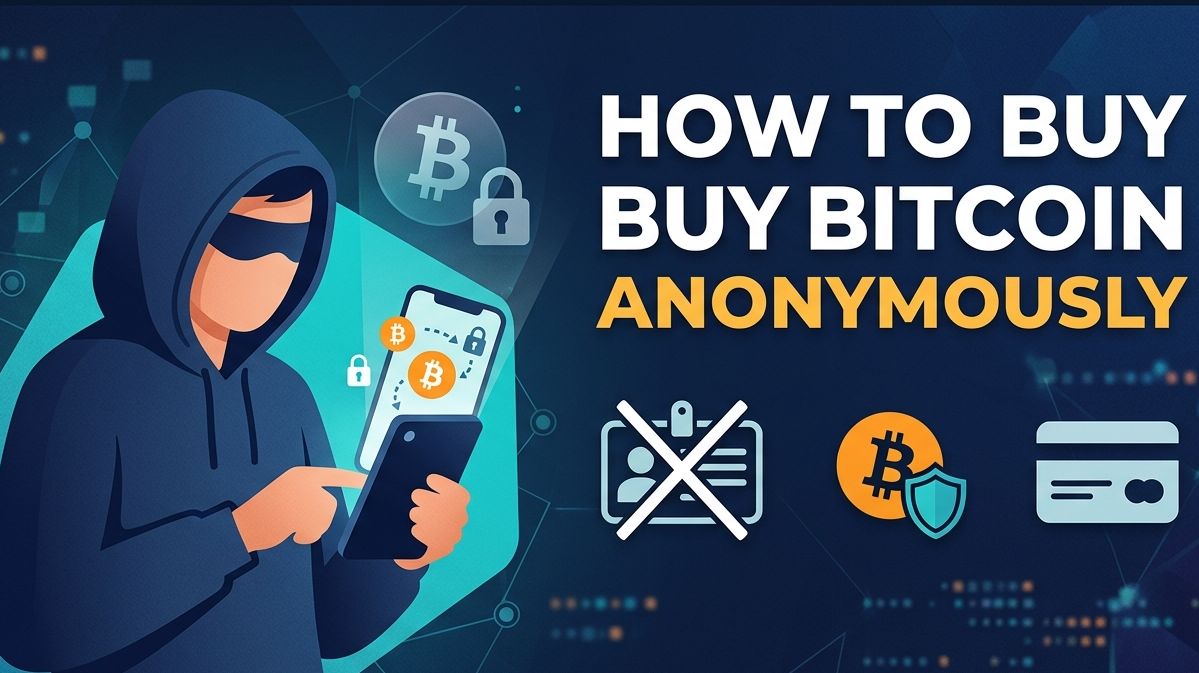
In today’s digital era, privacy has emerged as a significant concern for many individuals. One prominent avenue for maintaining this privacy is through the purchase of cryptocurrencies like Bitcoin. Buying Bitcoin anonymously can serve various motivations that stem from deeper privacy concerns, security considerations, and a desire to avoid extensive surveillance.
First and foremost, privacy is a fundamental human right. Many individuals prefer to keep their financial transactions private to prevent unauthorized access to personal financial data or inadvertent information sharing. Anonymity allows users to transact without exposing themselves to potential risks associated with identity theft or unsolicited marketing.
Moreover, security is paramount in the digital currency space. By purchasing Bitcoin anonymously, users can reduce their exposure to hacking attempts or cybercrimes. Cybercriminals often target individuals with valuable assets. Without publicly available information linking a wallet to a person, the likelihood of being targeted diminishes significantly. Thus, anonymity provides an additional layer of security against malicious actors.
Avoiding surveillance is another compelling reason for individuals to opt for anonymous Bitcoin transactions. With the rise of digital tracking and data collection techniques, many users now seek to engage with financial systems that prioritize data sovereignty and integrity. Purchasing Bitcoin anonymously can effectively shield individuals from unnecessary scrutiny by government entities or corporations.
Furthermore, the nature of Bitcoin as a decentralized currency underlines the importance of anonymity. Its design inherently advocates for user autonomy, allowing individuals to take control over their financial dealings and maintain a degree of distance from centralized oversight.
In summation, buying Bitcoin anonymously is not merely a preference; it is pivotal for anyone intent on maintaining privacy, enhancing security, and circumnavigating modern surveillance. Understanding and appreciating these motivations can significantly impact how individuals navigate the cryptocurrency landscape.
Methods of Buying Bitcoin Anonymously
Acquiring Bitcoin anonymously can be achieved through several methods, each providing unique advantages and disadvantages. Understanding these methods helps individuals choose the approach that best aligns with their privacy preferences and requirements.
One popular method is using cash transactions. Individuals can purchase Bitcoin by meeting sellers in person and using cash for the transaction. This method ensures that no digital footprint is left, promoting anonymity. However, it involves risks associated with meeting strangers and potential scams, making it essential to conduct thorough due diligence and choose reputable sellers.
Peer-to-peer (P2P) trading platforms are another effective option. These platforms allow users to connect directly, facilitating trades without intermediaries. P2P platforms often offer various payment methods, including cash, bank transfers, and other anonymous options. The significant advantage of this method is the flexibility it provides in terms of payment options while protecting users’ identities. Nonetheless, it is crucial to exercise caution, as dealing with unverified buyers or sellers might expose users to fraud.
Bitcoin ATMs stand out as another viable method for anonymous purchases. Many Bitcoin ATMs allow users to buy Bitcoin with cash, providing a convenient and straightforward process. Users can often complete transactions without needing to provide personal information. The main drawback of Bitcoin ATMs is that they typically charge higher fees compared to online exchanges, which may deter some users looking for cost-effective solutions. Additionally, not all ATMs maintain the same level of anonymity, so potential buyers should research their options beforehand.
In conclusion, buying Bitcoin anonymously is possible through various methods such as cash transactions, P2P trading platforms, and ATMs. Each approach has its advantages and disadvantages, emphasizing the importance of selecting the most suitable method based on individual circumstances and concerns regarding privacy.
Using Bitcoin ATMs for Anonymous Purchases
Bitcoin ATMs represent a convenient method for individuals seeking to purchase the cryptocurrency while maintaining a level of anonymity. These machines can be found in various locations, from convenience stores to shopping malls, allowing users to buy Bitcoin without the need for complex verification procedures found in traditional exchanges.
To locate a Bitcoin ATM, one can utilize online mapping services specifically designed for cryptocurrency. Websites such as CoinATMRadar provide comprehensive databases of Bitcoin ATM locations, detailing the types of services each machine offers. When searching for an ATM, users should focus on those that require minimal personal information. Many Bitcoin ATMs may only request a phone number or email for transaction confirmations, making them a preferable choice for privacy-conscious buyers.
Once a suitable Bitcoin ATM is identified, the process typically involves several straightforward steps. First, users must select the option to purchase Bitcoin and indicate the amount they wish to acquire. The ATM may ask for a wallet address, which could be generated from a digital wallet application on a smartphone. This process facilitates the secure transfer of Bitcoin while reducing the traceability of the transaction.
It is important to research the fees associated with each Bitcoin ATM, as these can vary significantly between machines. Some ATMs may charge higher transaction fees in exchange for the enhanced anonymity they offer. Furthermore, users should be mindful of the potential limits imposed on purchase amounts, which can vary based on local regulations.
Utilizing Bitcoin ATMs can provide a relatively anonymous method for acquiring Bitcoin, catering to individuals who prioritize privacy. By selecting ATMs that require the least personal information and understanding the associated fees, buyers can successfully navigate their cryptocurrency purchases while safeguarding their anonymity.
Peer-to-Peer Trading: A Primer
Peer-to-peer (P2P) trading presents a viable option for acquiring Bitcoin anonymously, as it allows users to buy and sell directly with one another without the need for intermediaries or centralized exchanges. The process typically involves the use of a P2P trading platform that connects buyers and sellers, enabling them to set their terms, including payment methods and prices.
To begin trading, users need to create an account on a P2P platform. Many of these platforms do not require extensive personal information, allowing users to remain anonymous. Registration often only requires an email address or mobile number, offering a layer of privacy. It is crucial, however, to select reputable platforms that have a strong reputation for security and user protection.
Once registered, users can explore a variety of listings for Bitcoin. They can choose from multiple payment options such as cash, bank transfers, or even services like PayPal. Each listing typically includes seller ratings and reviews, which greatly assist buyers in determining the trustworthiness of the seller. Ideally, one should prioritize trading with users who have high ratings and positive feedback as this minimizes the risk of scams.
Nevertheless, it is important to acknowledge the risks inherent in P2P trading. Since transactions occur between individuals, there is always a potential for fraud. To mitigate this risk, users should execute trades within the platform’s secure escrow system, which holds the Bitcoin until both parties confirm the transaction. Additionally, meeting in public places for cash transactions can further enhance user safety. Ultimately, while P2P trading offers an excellent avenue for some users to acquire Bitcoin anonymously, conducting due diligence and remaining vigilant is essential to navigate the risks present in this trading method.
Maintaining Anonymity: Best Practices
When purchasing Bitcoin anonymously, it is crucial to adopt a series of best practices that will help safeguard your personal information and digital assets. One essential measure is the use of a Virtual Private Network (VPN). A VPN encrypts your internet connection, thereby masking your IP address and location from potential surveillance. This additional layer of security ensures that your online activities, including cryptocurrency transactions, remain private.
Another important practice is to avoid public Wi-Fi networks when engaging in Bitcoin transactions. Public Wi-Fi can expose you to various security risks, such as hacking and data theft. Instead, utilizing a secure and private internet connection, such as your home network, helps maintain a higher level of anonymity.
Being cautious with your personal information is also vital. When selecting exchanges or platforms to buy Bitcoin, opt for those that prioritize user privacy and do not require excessive personal identification. Some platforms allow for purchases without the need for KYC (Know Your Customer) verification, significantly enhancing your anonymity. Nevertheless, it is essential to evaluate the legitimacy and reliability of such platforms to prevent potential fraud. Additionally, consider using disposable email addresses and phone numbers for account registrations, further distancing yourself from your true identity.
Moreover, employing the use of privacy-focused wallets can aid in maintaining your anonymity. Wallets like Wasabi or Samourai provide enhanced privacy features that make tracing the origin of Bitcoin transactions more challenging. It is also beneficial to stay informed about the latest developments in cryptocurrency privacy practices, as the digital landscape is continually evolving. By implementing these strategies, you can effectively protect your identity while navigating the world of Bitcoin transactions.
Legal Considerations for Anonymous Bitcoin Purchases
As the popularity of Bitcoin grows, understanding the legal implications surrounding anonymous purchases becomes crucial. Different countries have varying regulations regarding cryptocurrency, and failing to comply can lead to legal repercussions. In many jurisdictions, the anonymity offered by Bitcoin transactions is constrained by laws aimed at preventing money laundering and other illicit activities.
For instance, in the United States, the Financial Crimes Enforcement Network (FinCEN) requires cryptocurrency exchanges to register as money services businesses (MSBs). This means that most exchanges must collect personal information from their users, including names and addresses. Consequently, while it may seem possible to buy Bitcoin anonymously, such purchases often require navigating through hurdles imposed by regulatory authorities. Failure to adhere to these regulations can result in severe penalties, highlighting the importance of compliance.
Similarly, European Union directives mandate that businesses dealing with cryptocurrencies adhere to Anti-Money Laundering (AML) regulations, which can involve Know Your Customer (KYC) checks. These laws emphasize the need for identification verification, restricting true anonymity. However, some countries, like Switzerland, are more lenient and may allow for less scrutiny in certain transactions, although adhering to local laws remains essential.
It is worth noting that while some individuals may seek to purchase Bitcoin anonymously through peer-to-peer platforms or indeed through cash transactions, the legal standing of these methods may still be ambiguous. Therefore, before engaging in anonymous Bitcoin purchases, it is advisable to research the regulatory environment in one’s specific region. Consulting legal experts or financial advisors familiar with cryptocurrency laws can provide clarity and ensure compliance with applicable regulations.
Potential Risks of Buying Bitcoin Anonymously
While purchasing Bitcoin anonymously can offer privacy and discretion, it is crucial to be aware of the inherent risks associated with such transactions. One of the primary concerns is the increased vulnerability to scams and fraudulent schemes. Many platforms that facilitate anonymous Bitcoin purchases may not have stringent verification processes, making them susceptible to malicious actors who aim to deceive buyers. Scammers may employ various tactics, including phishing attacks or fake platforms, leading to significant financial losses.
Additionally, privacy-oriented transactions can often involve higher fees or less favorable exchange rates compared to mainstream exchanges. This can detract from the overall value of the investment and lead to suboptimal financial outcomes. Users must also be cautious about the legitimacy of the sellers they choose to transact with, as unregulated exchanges and peer-to-peer sales can expose buyers to counterparty risks. In some cases, sellers may not deliver the purchased Bitcoin after receiving payment, leaving buyers without their funds.
Moreover, the reliance on anonymity can pose legal risks. Certain jurisdictions have implemented strict regulations surrounding cryptocurrency transactions, and purchasing Bitcoin anonymously may inadvertently draw regulatory scrutiny. In extreme cases, individuals may find themselves involved in illegal activities inadvertently, which can lead to legal consequences.
Lastly, it is worth noting that while Bitcoin transactions themselves are pseudonymous, they can often be traced back to their original source. This tracing can potentially compromise a user’s anonymity if their wallet address is linked to identifiable information. Therefore, it is vital for individuals interested in purchasing Bitcoin anonymously to conduct thorough research, utilize reputable platforms, and employ best practices to mitigate these risks effectively.
Conclusion: Balancing Anonymity with Safety
As the world of cryptocurrency continues to evolve, buyers increasingly seek ways to purchase Bitcoin anonymously. Achieving this level of privacy can provide a sense of security for individuals concerned about their financial data possibly being mishandled or exploited. However, it is essential to balance anonymity with the safety of transactions to avoid potential pitfalls.
When engaging in anonymous Bitcoin transactions, one must consider the various methods available, such as using peer-to-peer platforms, Bitcoin ATMs, or privacy-oriented exchanges. Each method offers unique advantages, yet they also come with inherent risks. For instance, while peer-to-peer exchanges can facilitate anonymous transactions, buyers must verify the reputation of sellers to mitigate the risk of fraud. Similarly, while one can use cash at Bitcoin ATMs to preserve anonymity, not all ATMs offer the same level of security or privacy protections.
Moreover, it is important to employ best practices when securing Bitcoin wallets, regardless of the purchase method. Utilizing strong passwords, enabling two-factor authentication, and keeping software wallets updated are essential steps to protect stored assets. Furthermore, buyers should remain informed about the regulatory landscape surrounding cryptocurrency and potential legal implications based on geographical location.
Ultimately, the goal is to find a delicate balance between maintaining anonymity while safeguarding one’s financial interests. Each individual’s priorities may differ, and it is vital to thoroughly research and assess personal comfort levels regarding privacy and security. By taking a thoughtful approach, one can navigate the complexities of buying Bitcoin while minimizing risks associated with anonymity.