





What are Liquidity Pools?
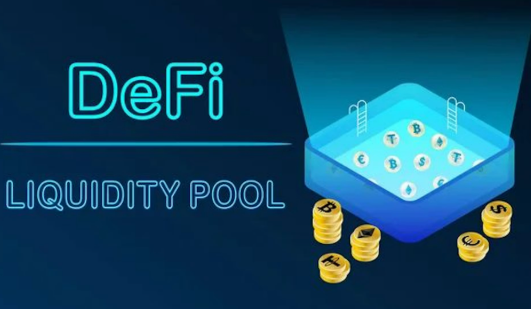
Liquidity pools are essential components of decentralized finance (DeFi) ecosystems, serving as a mechanism for users to facilitate trading and other financial operations. At their core, liquidity pools consist of a collection of funds, usually cryptocurrency tokens, that are pooled together by individual users. These users, often referred to as liquidity providers, contribute assets to the pool, enabling others to easily conduct transactions, such as swapping one token for another.
The importance of liquidity pools arises from their role in ensuring that decentralized exchanges (DEXs) can operate efficiently. Without sufficient liquidity, trading on a DEX would be cumbersome and potentially lead to significant price slippage. This is where the concept of pooled funds becomes critical; by aggregating liquidity from multiple providers, pools ensure that there are enough resources for seamless transactions.
In most DeFi platforms, liquidity providers earn rewards in the form of transaction fees or governance tokens, creating a financial incentive for individuals to contribute to the liquidity pool. These rewards are typically proportionate to the amount of liquidity each provider has contributed. As a result, the successful functioning of liquidity pools not only facilitates transactions for traders but also encourages more users to participate.
Additionally, liquidity pools play a crucial role in the price discovery process within the DeFi space. Unlike traditional order book models used in centralized exchanges, where supply and demand dictate prices within varying levels of liquidity, liquidity pools utilize an automated market-making (AMM) protocol. This allows users to trade against the pool itself, allowing for continuous price adjustments based on the overall balance of tokens within the pool.
In essence, liquidity pools embody the foundational principles of decentralized finance, promoting efficiency, transparency, and inclusivity in financial transactions. Their role is increasingly significant as the DeFi landscape continues to evolve, making it crucial for users to understand their functionality and impact on the overall market.
The Mechanics of Liquidity Pools
Liquidity pools are integral components of decentralized finance (DeFi), designed to facilitate the swapping of assets with greater efficiency and minimal price slippage. They operate by aggregating funds from a variety of users, allowing them to contribute their assets to a common pool. These assets can be cryptocurrencies such as Ethereum, stablecoins, or other tokens, which become part of a shared liquidity reservoir usable by traders and investors.
When users provide their assets to a liquidity pool, they receive liquidity provider (LP) tokens in exchange. These tokens represent the user’s share of the total assets in the pool and can be used to reclaim their original assets or to claim a portion of trading fees generated by the pool. By incentivizing participation, liquidity pools enable a more liquid market, vital for efficient price discovery.
Automated Market Makers (AMMs) are a key innovation associated with liquidity pools. Unlike traditional order book exchanges, AMMs use algorithms to determine the price of assets based on the ratio of tokens within the pool. This means that the price adjusts automatically as users trade assets, ensuring that liquidity is always available. For example, if a user buys a significant amount of one asset in the pool, the ratio of that asset compared to others shifts, which in turn changes the price for subsequent buyers.
Liquidity pools also serve to reduce the barrier for entry into trading, allowing users to swap assets directly without needing a traditional intermediary. This democratization of trading can lead to a more inclusive financial ecosystem where virtually anyone can contribute liquidity and participate in emerging markets. Furthermore, the decentralized nature of these pools aligns well with the core principles of DeFi, namely removal of intermediaries and greater financial accessibility.
Overall, understanding the mechanics of liquidity pools is essential for participants in the cryptocurrency space, as it sheds light on how decentralized exchanges function and the dynamics of asset trading within the DeFi landscape.
Role of Liquidity Providers
Liquidity providers are essential participants in decentralized finance (DeFi), as they supply the necessary capital for liquidity pools. These individuals or entities contribute their assets to the pools, enabling traders to easily execute transactions without significant price slippage. By providing liquidity, these stakeholders help maintain market efficiency and ensure that there is ample availability of assets for buying and selling on various platforms.
One of the primary incentives for liquidity providers is the earning of transaction fees. Each time a trade occurs within a liquidity pool, a small percentage of the transaction is paid as a fee. This fee is then distributed among all liquidity providers based on their share of the total liquidity in the pool. Consequently, the more liquidity a provider contributes, the greater portion of the transaction fees they receive. Additionally, many DeFi protocols offer token rewards, which can take the form of governance tokens or other tokens specific to the protocol, as an extra incentive to attract liquidity providers.
However, providing liquidity is not without its risks. One of the most notable risks is impermanent loss, which occurs when the price of the assets held in the liquidity pool diverges significantly from their price at the time of deposit. This situation can lead to a scenario where a liquidity provider ends up with a lower value of assets compared to if they had simply held onto the assets outside the pool. Furthermore, liquidity providers are also at risk of smart contract vulnerabilities, which could result in loss of funds if a protocol is exploited. Therefore, it is crucial for potential liquidity providers to thoroughly evaluate the risks and rewards before committing their assets to liquidity pools in the DeFi ecosystem.
Impermanent Loss Explained
Impermanent loss is a significant risk that liquidity providers face when participating in decentralized finance (DeFi) liquidity pools. It occurs when the price of the assets in a liquidity pool diverges from the price at which they were deposited. This phenomenon is particularly pertinent to automated market makers (AMMs), where assets are allocated in a specific ratio, often 50/50. As the prices of the underlying tokens fluctuate, the ratio of the assets in the pool adjusts, leading to potential changes in the total value provided by the liquidity provider.
To understand the mechanics of impermanent loss, consider a scenario where a liquidity provider deposits equal values of two cryptocurrencies into a liquidity pool. If the price of one asset rises significantly while the other remains stable, the automated market mechanisms will start to favor the more expensive asset. Consequently, the total amount of tokens will shift, resulting in a lower percentage of the high-value token in the pool. When the provider withdraws their liquidity, they are left with less of the now more valuable token compared to what they initially deposited, leading to losses relative to simply holding the assets.
Mitigating impermanent loss requires strategic planning. One effective strategy is to choose liquidity pools with lower volatility assets, as these are less likely to experience significant price divergence. Additionally, employing impermanent loss calculators can help providers estimate potential losses and make informed decisions. Furthermore, providers may consider using liquidity pool tokens that offer additional incentives, such as rewards from farming activities. Ultimately, understanding the dynamics of impermanent loss allows liquidity providers to strategically engage with DeFi protocols while minimizing risks associated with price fluctuations.
Types of Assets in Liquidity Pools
Liquidity pools are essential components of decentralized finance (DeFi), providing the necessary liquidity for various blockchain-based financial applications. They consist of various types of assets that contribute to their functionality and performance. The selection and combination of these assets can significantly influence the dynamics and efficiency of the liquidity pool.
One predominant category of assets within liquidity pools is stablecoins. These are cryptocurrencies designed to maintain a stable value, typically pegged to fiat currencies like the US dollar. By using stablecoins, liquidity providers can minimize volatility while earning yield from trading fees. Popular stablecoins such as USDC and DAI are often favored for their stability and liquidity, making them an attractive option for liquidity pools aiming to facilitate transactions with minimized price fluctuations.
Another important asset class prevalent in liquidity pools is governance tokens. These tokens grant holders the ability to vote on decisions regarding the protocol’s future and can often provide additional benefits such as staking rewards. Governance tokens like AAVE or UNI not only add utility to liquidity pools but also create incentives for users to engage with the platform, thus enhancing liquidity. Their inclusion in pools can attract users seeking to participate in governance while earning yields.
In addition to stablecoins and governance tokens, liquidity pools often include a mix of other cryptocurrencies, ranging from well-established assets like Bitcoin and Ethereum to emerging altcoins. The diversity of assets influences the risk profile of the liquidity pool. A pool containing a mix of assets can create greater opportunities for arbitrage and profitability, yet it also introduces risks associated with price volatility. Properly managing these assets is crucial for maintaining healthy liquidity and attracting users.
Thus, understanding the different types of assets in liquidity pools is vital for participants aiming to maximize their returns while navigating the complexities of decentralized finance.
Liquidity Pool Governance and Decision-Making
Governance within liquidity pools is a crucial aspect of decentralized finance (DeFi) that enables token holders to participate in decision-making processes. The decentralized nature of these platforms allows for a more democratic approach to managing liquidity pools, moving away from traditional models dominated by centralized entities. In this framework, governance tokens serve as a key mechanism through which stakeholders can express their preferences and influence the direction of the pools.
Token holders play an integral role in shaping the policies and operations of liquidity pools. By holding governance tokens, users are granted the ability to vote on various proposals, ranging from changes in liquidity parameters to fee structures or even adjustments in protocol incentives. This system fosters a sense of ownership and responsibility among participants, as decisions directly impact their investments and interests. Additionally, it encourages community engagement, allowing for diverse opinions and suggestions that can lead to more robust governance outcomes.
Decentralized decision-making processes within liquidity pools are often facilitated through the implementation of decentralized autonomous organizations (DAOs). These organizations operate under programmable rules encoded on the blockchain, ensuring transparency and fairness in governance. Through DAOs, liquidity pool participants can submit proposals and have them voted on by the community, ensuring that every stakeholder’s voice is heard. The outcomes of these votes dictate the strategic direction of the pool, from upgrading protocol features to initiating marketing efforts aimed at attracting more liquidity.
Such governance models, while empowering, also come with challenges. The complexity of decision-making can lead to governance fatigue, where stakeholders may feel overwhelmed by the volume of proposals and discussions. Therefore, having clear processes and structured voting systems is imperative for facilitating effective governance and ensuring sound decision-making within liquidity pools.
Impact on Market Efficiency
Liquidity pools play a crucial role in enhancing market efficiency within decentralized finance (DeFi) ecosystems. Through their unique structure, these pools facilitate seamless trades by providing a steady availability of liquidity, which is essential for traders looking to buy or sell assets without significant delays. The presence of liquidity pools mitigates the risks associated with market volatility, allowing traders to make transactions at more stable prices.
One of the significant ways liquidity pools contribute to market efficiency is by reducing slippage, which refers to the difference between the expected price of a trade and the actual price achieved. In a highly liquid environment, the impact of large orders on the market price is minimized, ensuring that traders can execute their trades more closely to their desired prices. This reduction in slippage is particularly beneficial in volatile markets, where price discrepancies can be pronounced.
Furthermore, liquidity pools often lead to increased trading volume in the DeFi space. Higher trading volumes contribute to market efficiency by ensuring that asset prices reflect true market sentiment and supply-demand dynamics. As more participants engage with liquidity pools, the depth and breadth of market operations increase, allowing for rapid adjustments to price shifts based on real-time information. This dynamic interaction among liquidity providers and traders creates a self-regulating mechanism, reinforcing price stability across various digital assets.
Moreover, the decentralized nature of liquidity pools allows for a wide range of assets to be traded, diversifying options for traders and reducing reliance on traditional market makers. This decentralization fosters competition among liquidity providers, ensuring that users benefit from competitive pricing and reduced transaction fees. Overall, the implementation of liquidity pools has evidently improved market efficiency, offering a more resilient infrastructure for trading activities in the DeFi sector.
Case Studies of Popular Liquidity Pools
In the decentralized finance (DeFi) ecosystem, liquidity pools play a crucial role by providing accessibility and efficiency for traders and investors. Among the numerous platforms facilitating these pools, Uniswap and SushiSwap stand out due to their innovative features and robust performance.
Uniswap, as one of the pioneers in the DeFi space, utilizes an automated market maker (AMM) model that allows users to trade ERC-20 tokens directly from their wallets. Its liquidity pools enable users to supply tokens in exchange for liquidity provider (LP) tokens, which can yield rewards based on the trading fees generated. The simplicity of Uniswap’s interface and the seamless execution of trades have significantly contributed to its popularity, making it a go-to choice for many traders. Additionally, the platform has seen considerable liquidity depth, making large transactions feasible without significant price slippage.
SushiSwap emerged as a fork of Uniswap but introduced unique incentives like yield farming to attract liquidity providers. By offering additional rewards in the form of SUSHI tokens, SushiSwap incentivizes users to commit their assets to the liquidity pools. This differentiation not only bolstered the platform’s liquidity but also created a community-driven governance model that empowers participants to influence the platform’s future developments. Consequently, SushiSwap has managed to carve out a niche for itself, appealing to users who value both incentives and community engagement.
In addition to these two, other emerging liquidity pools within DeFi continue to gain traction, such as Balancer and Curve Finance, each with its customizability and unique selling propositions. Balancer allows users to create and manage liquidity pools with multiple tokens, diversifying risk and reward, while Curve focuses on efficient stablecoin swaps. These platforms illustrate the evolving landscape of liquidity pools and their roles in enhancing user experience within the DeFi space.
Future Trends in Liquidity Pools
The landscape of decentralized finance (DeFi) is rapidly evolving, particularly regarding liquidity pools. As DeFi protocols continue to mature, new trends and technologies are emerging that promise to reshape how liquidity is provided and utilized across various platforms. One of the most significant trends is the increasing sophistication of liquidity pool designs. Traditional constant product automated market makers (AMMs) are being enhanced with novel algorithms that allow for more dynamic pricing, reduced impermanent loss, and improved capital efficiency.
Moreover, integrating liquidity pools with other DeFi services is becoming increasingly prevalent. For instance, liquidity pools are being linked with lending protocols to enable efficient borrowing and lending of crypto assets. This interconnectedness can create an ecosystem where liquidity providers earn rewards from multiple sources, enhancing their overall returns. Such integrations highlight the potential for cross-platform collaborations that can streamline processes and democratize access to financial services.
The emergence of non-fungible tokens (NFTs) is also influencing the future of liquidity pools. Projects are developing liquidity pools specifically for NFT assets, allowing users to provide liquidity for unique digital collectibles. This trend could attract a different segment of users who are interested in NFTs but may seek liquidity options to manage their holdings better. Furthermore, these specialized pools might introduce innovative mechanisms for valuing and trading NFTs, creating a fresh market dynamic.
Additionally, as regulatory landscapes evolve, liquidity pools will need to adapt accordingly. Compliance with regulatory requirements may lead to the development of more transparent and user-friendly interfaces for liquidity providers. Enhanced security measures will likely become standard practice, fostering trust among users and encouraging wider participation in DeFi. As these trends unfold, the future of liquidity provision within the DeFi space appears to be bright, pointing towards a more robust and sustainable ecosystem.