





Introduction to Cryptocurrency Investing
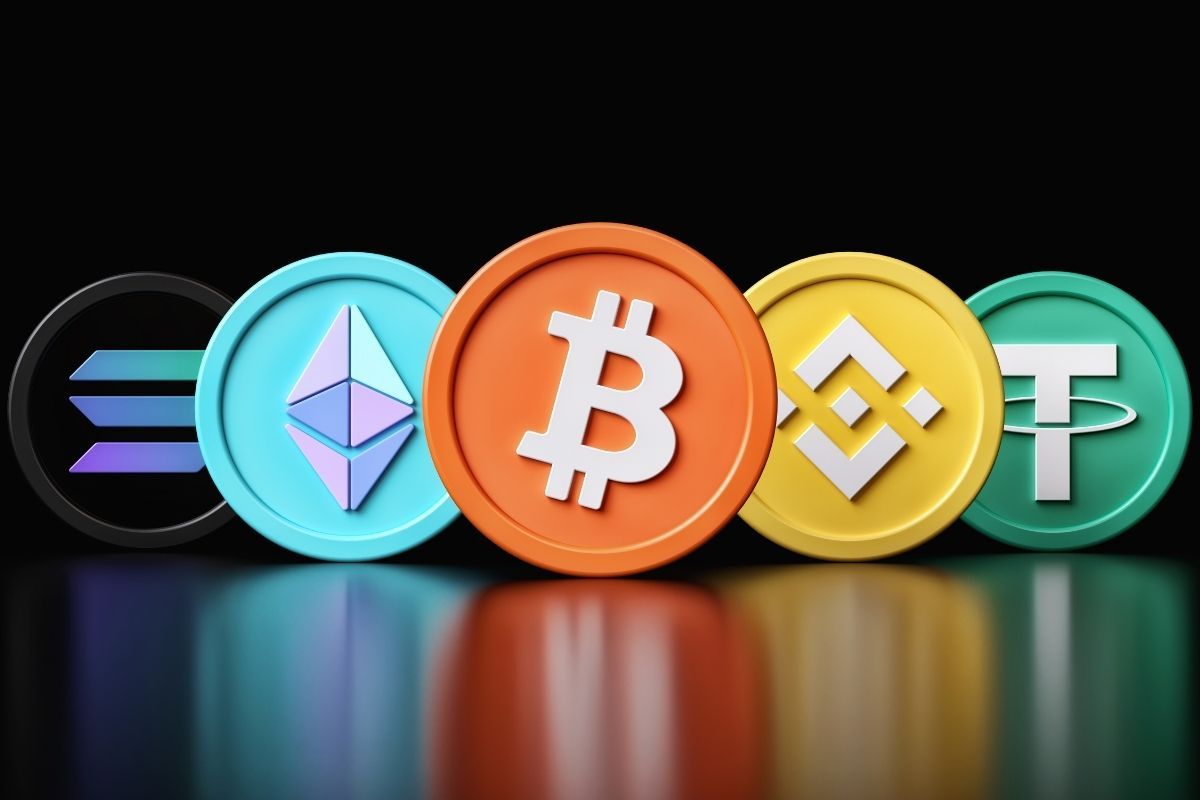
Cryptocurrency investing has emerged as a pivotal element in today’s financial landscape, attracting both seasoned investors and newcomers alike. At its core, a cryptocurrency is a digital or virtual form of currency that uses cryptography for security. As a decentralized medium, it operates independently of a central bank, making it a unique addition to the global financial system. The rise of cryptocurrencies like Bitcoin and Ethereum has not only ignited interest among institutional investors but has also drawn retail investors seeking new opportunities.
The role of cryptocurrencies in the financial market is multifaceted. They provide a novel way to transactional value without relying on traditional banking institutions, enabling peer-to-peer transactions across the globe. They offer diversification to investment portfolios, as they often do not correlate directly with traditional asset classes such as stocks and bonds. As financial markets evolve, the growing acceptance of digital assets signals a significant shift in how investors view potential returns and risks.
Getting started in cryptocurrency investing requires a basic understanding of how these digital assets function, alongside a keen awareness of market trends. Potential investors should familiarize themselves with various cryptocurrency exchanges, wallets, and the mechanics of trading. It is critical to assess market volatility, security measures, and regulatory frameworks that govern cryptocurrencies in various jurisdictions. Additionally, extensive research on coins, tokens, and the technology behind blockchain is advisable to make informed decisions. Understanding these components can significantly enhance an investor’s ability to navigate the fascinating yet complex world of cryptocurrency investing.
Factors to Consider Before Investing
Investing in cryptocurrencies requires a careful assessment of several critical factors that can significantly influence their value and stability. One of the first elements to consider is market capitalization. Market capitalization is a reflection of a cryptocurrency’s total value, calculated by multiplying the current price of the coin by its total supply. Generally, larger market caps indicate more stability and lower volatility, making them a preferable option for conservative investors.
Liquidity is another essential factor when evaluating a cryptocurrency. High liquidity means that a cryptocurrency can be easily bought or sold without causing a substantial impact on its price. Investors should seek cryptocurrencies with robust trading volumes, as this enhances their capability to enter and exit positions with minimal slippage.
The underlying technology of a cryptocurrency is equally vital. Each cryptocurrency operates on various blockchain technologies, which determine transaction speed, scalability, security, and usability. Analyzing the technology behind each cryptocurrency allows investors to assess its potential for future adoption and success in the marketplace. Furthermore, understanding historical price trends provides insights into a cryptocurrency’s performance over time, helping investors spot patterns or potential red flags.
Market sentiment also plays a substantial role in the cryptocurrency landscape. Public perception, news events, and social media trends can heavily influence price movements, making it essential for investors to stay informed about developments that may impact the overall market. Conducting thorough research before investing is not only prudent but also vital for creating a well-informed investment strategy.
Top Cryptocurrencies in 2023
The cryptocurrency market in 2023 showcases a diverse range of digital assets that capture investor interest due to their innovation and potential for growth. Each cryptocurrency on the market has unique characteristics that differentiate it from others, making them appealing for different investment strategies.
First among the leading cryptocurrencies is Bitcoin (BTC). As the original cryptocurrency, Bitcoin continues to dominate the market with a market capitalization exceeding $500 billion. Its decentralized nature and finite supply of 21 million coins contribute to its scarcity and subsequent value appreciation over time. Investors see Bitcoin as a stable investment relative to its peers and a hedge against inflation.
Ethereum (ETH) follows closely behind, known for its smart contract functionality that enables developers to create decentralized applications (dApps) on its blockchain. With the recent upgrades to Ethereum 2.0, the platform has enhanced its scalability, efficiency, and security, which bodes well for its future adoption and price stability. Ethereum remains a top cryptocurrency for investors seeking long-term growth potential.
Cardano (ADA) has emerged as a prominent player due to its scientific approach to blockchain development. Its proof-of-stake consensus mechanic reduces energy consumption significantly compared to traditional mining, making it an environmentally friendly option. Cardano’s strong community and ongoing projects position it for substantial growth as it continues to expand its ecosystem.
Lastly, Solana (SOL) has gained traction due to its high throughput and low transaction fees. Lauded for its speed and scalability, Solana is particularly attractive for developers looking to build efficient applications. Its rapid rise in popularity showcases its potential as a reliable investment choice in 2023.
In conclusion, the top cryptocurrencies to consider investing in for the current year include Bitcoin, Ethereum, Cardano, and Solana, each offering unique features and growth potentials. Analyzing these digital assets closely can result in informed investment decisions that align with individual market strategies.
Bitcoin: The Pioneer of Cryptocurrencies
Bitcoin, created in 2009 by an anonymous entity known as Satoshi Nakamoto, is widely regarded as the first cryptocurrency. It operates on a decentralized peer-to-peer network using blockchain technology, allowing it to function without the need for a central authority. This innovative framework has laid the groundwork for thousands of other cryptocurrencies that have emerged since Bitcoin’s inception, establishing its significance in the digital finance landscape.
One of the main advantages of Bitcoin is its limited supply, capped at 21 million coins. This scarcity creates an inherent value, distinguishing it from traditional fiat currencies that can be printed without limit. In addition, Bitcoin offers a degree of privacy and security that is appealing to many users. Transactions are recorded on a public ledger, yet the identities of those involved remain pseudonymous, fostering a secure environment for digital transactions.
Market trends indicate that Bitcoin continues to dominate the cryptocurrency realm, holding a significant portion of total market capitalization. Its price is often viewed as an indicator of the overall health of the cryptocurrency market. Investors are often drawn to Bitcoin due to its resilience during market downturns, which can be attributed to its established reputation and growing mainstream acceptance. Major companies and financial institutions have started integrating Bitcoin into their operations, contributing to its credibility as a viable investment option.
Participation in Bitcoin investment offers potential benefits, including long-term growth and diversification of an investment portfolio. While volatility can present risks, many investors view Bitcoin as a hedge against traditional economic uncertainties and inflation. In this evolving digital age, Bitcoin remains a crucial player, continually influencing market dynamics and offering opportunities for both new and seasoned investors.
Ethereum: Beyond Digital Currency
Ethereum, currently the second-largest cryptocurrency by market capitalization, transcends the traditional definition of digital currency. It is not just a medium for transactions; rather, it serves as a comprehensive platform for developing and deploying decentralized applications (dApps). This innovative approach stems from Ethereum’s unique feature: smart contracts. Smart contracts are self-executing contracts with the terms of the agreement directly written into lines of code. They enable trustless interactions, automating processes without the need for intermediaries.
The implications of Ethereum’s smart contract functionality are profound. For instance, they are foundational to the burgeoning Decentralized Finance (DeFi) sector, which aims to recreate and improve upon traditional financial systems through the use of blockchain technology. DeFi applications facilitate lending, borrowing, and trading without central authorities, potentially lowering costs and increasing access to financial services.
Moreover, Ethereum is playing a pivotal role in the NFT (Non-Fungible Token) marketplace. NFTs, which are unique digital assets verified using blockchain technology, have gained immense popularity for their applications in art, gaming, and collectibles. Ethereum’s network dominates the NFT space, allowing artists and creators to have greater control and ownership over their creations while significantly simplifying the process of buying and selling these digital assets.
As an investment, Ethereum presents numerous opportunities. Its adaptability and the growing adoption of dApps suggest that demand for the Ethereum network will continue to rise. With continuous upgrades—most notably the transition to Ethereum 2.0 aimed at improving scalability, security, and sustainability—Ethereum holds great potential for both individual and institutional investors seeking to capitalize on the expanding blockchain landscape.
Emerging Cryptocurrencies to Watch
As the cryptocurrency landscape continues to evolve, several emerging cryptocurrencies have garnered attention for their potential to disrupt traditional financial systems and offer innovative solutions. Among these, Algorand (ALGO) stands out due to its unique consensus mechanism, which facilitates rapid and secure transactions while addressing scalability issues. Algorand’s infrastructure is designed for decentralized applications (dApps) and allows developers to create new financial tools.
Another noteworthy contender is Tezos (XTZ), renowned for its self-amending protocol. This feature enables Tezos to upgrade itself automatically, minimizing the need for hard forks and ensuring that its community can effectively collaborate on governance decisions. As more developers adopt Tezos for creating decentralized finance (DeFi) applications, its utility could enhance demand and value.
The cryptocurrency Near Protocol (NEAR) also deserves attention. It operates on a sharding architecture, which significantly improves scalability and transaction speed. NEAR’s user-friendly platform encourages developers to build dApps, potentially attracting a broader user base. It has seen a surge in projects launching on its platform, indicating growing interest and rising utility.
Additionally, Fantom (FTM) appeals to those looking for speed in blockchain transactions. Its Directed Acyclic Graph (DAG) based consensus mechanism enables unparalleled transaction speeds and low fees, which are particularly attractive to DeFi applications. Fantom’s ability to provide a fast and scalable ecosystem may play a crucial role in its future success.
While investing in these emerging cryptocurrencies presents exciting opportunities, it is essential to remain aware of the risks involved. Factors such as market volatility, regulatory changes, and the competitive nature of the cryptocurrency sector can significantly impact their long-term viability. Thorough research and a balanced investment strategy are crucial for navigating this dynamic market.
Risks of Cryptocurrency Investment
Investing in cryptocurrencies can be an attractive opportunity due to the potential for high returns. However, it is essential to recognize and understand the inherent risks associated with the cryptocurrency market. One major risk is the volatility that typifies this asset class. Prices of cryptocurrencies can fluctuate drastically in short periods, leading to significant gains or losses. This level of volatility may not be suitable for all investors, particularly those who prefer stability in their investment portfolio.
Potential for loss is another critical concern when investing in cryptocurrencies. Unlike traditional investments, the crypto market operates 24/7, which means that market changes can occur at any time, potentially leading to financial losses if investors are unprepared or unable to react quickly. Moreover, the lack of historical data makes it challenging to predict future trends accurately, exacerbating the risks involved.
Regulatory uncertainties also pose a significant threat to cryptocurrency investments. Governments around the world are still determining how to regulate digital currencies, and changes in legislation can affect market conditions. New regulations may impact the usability and legality of certain cryptocurrencies, which can significantly influence their values and investor sentiment.
Security concerns are yet another factor to consider. The risk of hacks or security breaches in cryptocurrency exchanges can lead to substantial financial losses for investors, who may find their digital assets compromised. Therefore, securing investments in wallets—preferably hardware wallets—reduces exposure to these risks, but does not eliminate them entirely.
As the cryptocurrency landscape continues to evolve, understanding these risks is crucial for investors. By approaching investments with caution and awareness of the volatility, potential losses, regulatory issues, and security vulnerabilities, individuals can make informed decisions in the crypto market.
Insights from Industry Experts
The cryptocurrency market continues to capture the attention of investors and analysts alike. Various experts express divergent views on which cryptocurrencies might emerge as frontrunners in the coming months. Notably, Bitcoin (BTC) remains a constant favorite among analysts. Many view it as a store of value and a hedge against inflation. Crypto experts suggest that Bitcoin’s limited supply and mainstream adoption will contribute to price stability and potential growth.
Ethereum’s Promising Future
Ethereum (ETH) is also highlighted significantly in expert forecasts. Analysts point to Ethereum’s robust smart contract functionalities and the growing decentralized finance (DeFi) sector as factors likely to bolster its value. As institutional interest in DeFi applications expands, Ethereum could see increased demand, potentially pushing its price to new heights. Furthermore, developments such as Ethereum 2.0, designed to improve scalability and energy efficiency, serve to enhance its long-term viability.
Diverse Opinions on Altcoins
Altcoins also occupy a prominent space in the conversation. Litecoin (LTC) and Cardano (ADA) frequently emerge in discussions around promising alternatives to Bitcoin and Ethereum. Litecoin, often referred to as the “silver to Bitcoin’s gold,” is praised for its transaction speed and affordability, which could attract users looking for efficient alternatives. Meanwhile, Cardano’s emphasis on academic research and its unique proof-of-stake mechanism are seen as strong points, making it an appealing choice for environmentally conscious investors.
The Growing Influence of Market Sentiment
Market sentiment is another critical factor influencing predictions. Analysts emphasize that public perception, regulatory developments, and technology upgrades can dramatically shift market dynamics in short periods. As the crypto landscape evolves, keeping abreast of expert analysis can provide valuable insights for strategic investment decisions.
Conclusion: Making Informed Investment Decisions
Investing in cryptocurrencies has become increasingly popular, attracting both seasoned investors and newcomers to the financial markets. This blog post has highlighted some of the top cryptocurrencies worth considering for investment at this time, providing insights into their potential for growth and stability. However, the dynamic nature of the cryptocurrency market necessitates a cautious approach.
To make well-informed investment decisions, it is crucial for investors to remain vigilant about ongoing market trends and developments. The landscape of cryptocurrencies is constantly evolving, with new projects and regulations emerging regularly. Keeping abreast of the latest news and updates allows investors to adapt their strategies and seize opportunities as they arise.
Conducting thorough research before investing is paramount. This includes understanding the fundamentals of cryptocurrencies, their underlying technology, and factors that influence their market performance. Equally important is the analysis of historical data and market sentiment, which can provide valuable insights into a cryptocurrency’s potential trajectory.
Furthermore, consulting with financial advisors who specialize in cryptocurrency investments can offer additional guidance. Their expertise can help investors navigate the complexities of the market, assess risk tolerance, and develop a diversified investment strategy that aligns with individual financial goals.
In conclusion, while the prospect of investing in cryptocurrencies can be enticing, the importance of making informed decisions cannot be overstated. By staying updated, conducting diligent research, and seeking professional advice, investors can enhance their chances of achieving favorable outcomes in this volatile yet promising market.