





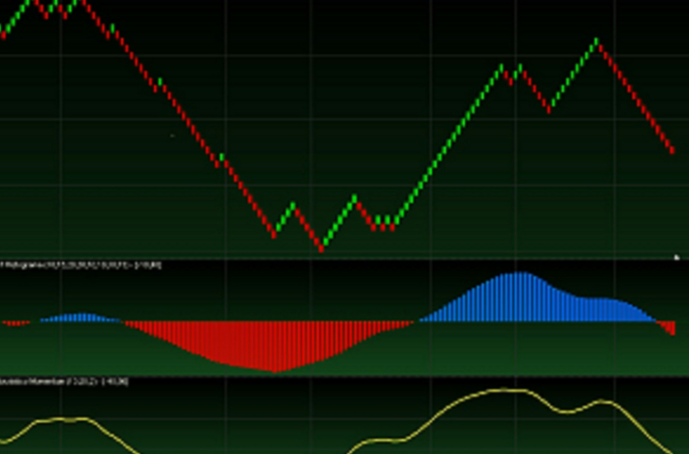
Understanding Algorithmic Trading
Algorithmic trading, particularly within the context of cryptocurrency markets, is a sophisticated approach that leverages computer algorithms to automate trading processes. This method involves executing trades based on pre-defined rules and criteria, allowing traders to capitalize on market opportunities swiftly and efficiently. Unlike traditional trading methods that often require manual input and emotional decision-making, algorithmic trading operates on mathematical models and pre-set conditions, providing a systematic approach to execute trades.
One of the primary advantages of algorithmic trading in cryptocurrency is its ability to process information and execute trades at a speed unattainable by human traders. In the highly volatile crypto market, where prices can fluctuate dramatically within seconds, algorithms can analyze vast amounts of data and execute trades in milliseconds. This not only increases the potential for profit but also minimizes the risk of missing out on critical trading opportunities.
Moreover, algorithmic trading eliminates human errors, such as emotional trading or delayed reactions to market changes. Through backtesting, traders can validate their strategies against historical data and refine their algorithms for optimal performance. This data-driven approach enhances the likelihood of making successful trades in a landscape characterized by uncertainty. Furthermore, the automation of trades allows for the implementation of complex strategies that would be challenging to execute manually, including arbitrage, market making, and trend-following.
In summary, algorithmic trading in the cryptocurrency markets represents a significant shift from traditional trading methods. By leveraging the computational power of algorithms, traders can execute trades with enhanced speed and precision while minimizing human error. As the cryptocurrency landscape continues to evolve, understanding the nuances of algorithmic trading will be essential for those looking to navigate this dynamic domain effectively.
The Basics of Cryptocurrency
Cryptocurrency represents a revolutionary approach to digital finance, fundamentally altering the landscape of traditional currency systems. At its core, cryptocurrency is a form of digital or virtual currency that leverages cryptography for security. This feature makes it incredibly difficult to counterfeit or double-spend, distinguishing cryptocurrencies from traditional forms of money.
The most well-known cryptocurrency, Bitcoin, was introduced in 2009 by an anonymous entity named Satoshi Nakamoto. Bitcoin operates on a decentralized network of computers, which means it is not controlled by any government or financial institution. This decentralization is one of the primary appeals of cryptocurrency, allowing for peer-to-peer transactions without intermediaries. Transactions are executed and verified through a technology known as blockchain.
Blockchain technology serves as the backbone of all cryptocurrencies. Essentially, it is a distributed ledger that records all transactions across a network of computers. Each group of transactions forms a “block,” and these blocks are linked together chronologically, creating a chain. This structure ensures transparency and accountability, as anyone can access the entire transaction history. Furthermore, the use of consensus algorithms helps maintain network security and integrity, as no single entity has dominance over the blockchain.
Understanding cryptocurrency is crucial for anyone interested in algorithmic trading. By grasping the foundational concepts behind how cryptocurrencies function and the significance of blockchain technology, traders can develop more effective trading strategies. Algorithmic trading leverages automated tools and algorithms to make data-driven decisions, providing traders with the ability to execute transactions at optimal times.
As cryptocurrency continues to evolve, a solid understanding of these fundamentals will be invaluable in navigating the complexities of digital trading. Learning about various cryptocurrencies, their unique features, and the broader implications of blockchain technology can significantly enhance one’s trading acumen.
How Algorithmic Trading Works
Algorithmic trading is a method that utilizes algorithms, or sets of rules and instructions, to execute trades in financial markets. These algorithms analyze vast amounts of data at speeds and accuracies beyond human capability, allowing for a decisive edge in trading. Such automated systems can work continuously, reacting to market changes in real time, which is crucial in the high-speed world of cryptocurrency trading.
One of the primary components of algorithmic trading is the development of trading strategies. These strategies can range from simple rules, like buying an asset when its price crosses a certain moving average, to complex quantitative models that consider numerous variables and indicators. Traders often backtest these strategies using historical data to ensure their viability before deploying them in real market conditions.
Algorithmic trading systems rely on different types of data and signals. Market data includes price movements, volume, order book information, and other real-time metrics. Furthermore, algorithms can access alternative data sources, such as news sentiment, social media trends, and on-chain metrics related to blockchain technology. By processing this data, algorithms can generate trading signals that indicate optimal entry and exit points for trades.
Programming these algorithms typically involves using languages such as Python or R, given their robust libraries that facilitate data analysis and mathematical modeling. Once developed, algorithms go through rigorous testing to assess their performance under various market conditions. This testing phase ensures that the algorithms can adapt to different scenarios, maintaining effectiveness even as market dynamics change.
In conclusion, understanding how algorithmic trading works is fundamental for anyone looking to engage in this modern trading approach. By employing sophisticated strategies and leveraging data-driven insights, algorithmic trading can potentially lead to more informed and timely trading decisions.
Choosing the Right Trading Strategy
Embarking on the journey of algorithmic crypto trading can be both exciting and daunting, especially for beginners. One of the critical steps in this process is selecting a suitable trading strategy. Different strategies cater to various market conditions and trader personalities, thus understanding their pros and cons is essential.
One prominent strategy is market making, which involves providing liquidity to the market by placing buy and sell orders. Market makers profit from the spread between these orders. This approach can be profitable in volatile markets but can also lead to substantial losses if the market moves against the trader’s position. Beginners might find this strategy complicated due to the need for quick decision-making and constant monitoring of market trends.
Another widely adopted strategy is trend following. This strategy is based on the premise that assets that have been rising in price will continue to do so, while those falling will keep declining. Trend following can be executed with various algorithmic approaches, making it adaptable for beginners. However, it requires a solid understanding of market trends and indicators, which may take time to develop.
Lastly, arbitrage is a relatively straightforward but effective strategy. It capitalizes on price discrepancies between different exchanges, allowing traders to buy low on one platform and sell high on another. The simplicity and low-risk nature of arbitrage make it appealing for novices. However, it’s critical to account for transaction fees and market dynamics, which can erode potential profits.
Each of these strategies—market making, trend following, and arbitrage—comes with unique benefits and challenges. Ultimately, the right choice depends on individual risk tolerance, market understanding, and available resources. By carefully evaluating these aspects, beginners in crypto trading can better identify a strategy that aligns with their goals and capabilities. Continuous learning and adjustment will further enhance their success in this dynamic trading environment.
Tools and Platforms for Algorithmic Trading
Algorithmic crypto trading has gained significant traction due to its ability to automate trades based on predefined criteria. Various tools and platforms are available to help traders effectively implement these strategies.
One of the most well-known options for algorithmic trading is the use of trading bots. Trading bots are software programs that automatically execute trades based on triggers, making the process efficient and less prone to human error. Popular trading bots such as 3Commas, Cryptohopper, and Gunbot allow users to create customized trading strategies without the need for extensive programming knowledge.
For those more inclined towards programming, platforms like MetaTrader and TradingView offer powerful tools for algorithm development. These platforms provide scripting capabilities, allowing traders to develop, backtest, and optimize their trading strategies using languages such as MQL4/5 or Pine Script.
In addition to trading bots and programming platforms, the choice of cryptocurrency exchanges is crucial for algorithmic trading success. Many exchanges feature robust API support, enabling seamless integration with trading bots and algorithmic systems. Prominent exchanges like Binance, Kraken, and Coinbase Pro are known for their advanced trading functionalities and extensive documentation.
Moreover, several cloud computing solutions can enhance the performance of algorithmic trading. Services such as AWS or Google Cloud offer scalable computing resources that can process large volumes of data and execute trades at high speeds. This is particularly important in the cryptocurrency market, where speed and efficiency can significantly impact profitability.
Ultimately, the selection of tools and platforms for algorithmic crypto trading will depend on individual skills, preferences, and trading goals. Using a combination of trading bots, programming tools, and reliable exchanges can create a robust environment for executing automated trading strategies effectively.
Risk Management in Algorithmic Trading
Algorithmic trading, while offering numerous advantages, also presents certain risk factors that traders must acknowledge to safeguard their investments. One of the significant risks associated with algorithmic trading is market volatility. The financial markets can often experience rapid fluctuations in prices driven by unforeseen events, such as economic news or geopolitical instability. These unpredictable shifts can adversely impact trading algorithms, especially if they are not designed to adapt to sudden changes.
Another critical risk factor is the possibility of system failures. Algorithmic trading relies heavily on technology, and any malfunction in hardware or software can lead to erroneous trades and substantial losses. System failures can occur due to various reasons such as power outages, connectivity issues, or coding errors. Therefore, robust testing and contingency planning are essential to minimize the impact of potential system failures.
Effective risk management strategies are crucial for mitigating these risks in algorithmic trading. One approach involves implementing strict stop-loss orders, which automatically trigger a sell when the asset reaches a certain price level, thereby limiting potential losses. Another strategy is to diversify the trading portfolio by investing in multiple assets or employing various trading algorithms. Diversification can help spread risk and reduce the impact of adverse price movements in any single asset.
Regular monitoring and assessment of the trading strategies can also play a vital role in risk management. Traders should periodically evaluate their algorithms’ performance and robustness in different market conditions. This continuous review process ensures that any vulnerabilities are identified and addressed promptly, thereby enhancing the algorithm’s reliability.
By being mindful of market volatility and potential system failures, algorithmic traders can implement effective risk management strategies. This proactive approach not only helps in protecting capital but also contributes to long-term success in the dynamic landscape of financial markets.
Backtesting Your Trading Algorithms
Backtesting is a critical process in algorithmic trading that involves testing a trading algorithm against historical market data to evaluate its performance. This practice allows traders, especially beginners, to determine the effectiveness of their strategies before deploying them in live markets. By simulating trades using past data, traders can assess how well their algorithms would have performed under various market conditions.
The backtesting process begins with selecting a suitable dataset. This data should accurately reflect the market conditions relevant to the trading algorithm being tested. It is essential to include a range of data points, covering different market conditions, such as bullish, bearish, and sideways markets, to ensure that the backtest results are robust and comprehensive.
Once a dataset is acquired, the next step is to execute the backtesting procedure. This typically involves translating the trading strategy into a code that can simulate trades automatically. Many trading platforms offer built-in backtesting tools, which can facilitate this process. During backtesting, traders should monitor various performance metrics to gauge the algorithm’s effectiveness.
Commonly used metrics include the total return, the Sharpe ratio, and the maximum drawdown. The total return shows the overall profit generated by the algorithm during the backtest period, while the Sharpe ratio measures risk-adjusted returns, helping traders understand how much excess return is being earned for each unit of risk. The maximum drawdown indicates the largest peak-to-valley decline during the backtest, which gives insights into the potential risks involved in using the algorithm in real trading scenarios.
Interpreting these metrics collectively provides a clearer picture of the algorithm’s potential performance. For beginners, understanding these metrics is crucial, as they highlight not only profitability but also the risks associated with implementing the strategy. By effectively using backtesting, traders can refine their algorithms and increase their chances of success in the volatile world of cryptocurrency trading.
Staying Updated on Market Trends
The cryptocurrency market is characterized by rapid changes and constant innovation. As an algorithmic trader, it is crucial to remain well-informed about market trends and developments to make effective trading decisions. Continuous learning and adaptation are necessary to thrive in this dynamic environment.
One effective approach to staying updated is to follow reputable cryptocurrency news websites and blogs. These platforms provide timely information about market movements, regulatory changes, and technological advancements. Websites like CoinDesk, CoinTelegraph, and others offer insights that can help traders understand the broader implications of market events on their strategies.
Moreover, engaging with online communities on platforms like Reddit, Telegram, and Discord can provide real-time updates and discussions that enhance your knowledge base. These communities often consist of experienced traders who share their insights, tips, and strategies. Participating in discussions can also help you analyze different viewpoints and adapt to new information more effectively.
In addition to community engagement, it is beneficial to follow thought leaders in the cryptocurrency space on social media platforms such as Twitter and LinkedIn. Many industry experts frequently share their views on market trends and trading techniques, providing valuable perspectives that can influence your trading approach.
Lastly, investing in online courses and webinars focused on algorithmic trading and cryptocurrency is another way to develop your skills and stay updated. Many platforms offer specialized content that covers the latest trends, trading strategies, and programming techniques necessary for developing algorithmic trading systems.
By utilizing these resources and maintaining a commitment to ongoing education, traders can navigate the complexities of the cryptocurrency market more effectively. Staying informed is not just about short-term gains; it is about building a resilient trading strategy that can adapt to market evolution over time.
Common Mistakes to Avoid as a Beginner
As aspiring traders delve into the world of algorithmic crypto trading, it is crucial to be aware of various pitfalls that can hinder success. One of the most common mistakes made by beginners is inadequate research and understanding of the cryptocurrency market. Failing to grasp the underlying technology, market trends, and potential tokens can lead to misguided trades and significant losses.
Another frequent error is overlooking risk management. Many newcomers dive into trading with high expectations but neglect to implement strategies to protect their capital. It is essential to define a risk tolerance level and use tools such as stop-loss orders to manage potential losses effectively. This approach helps to preserve funds for future trading opportunities.
Additionally, over-reliance on automated systems is a mistake that some beginners make. While algorithms can significantly enhance trading efficiency, they are not infallible. Market conditions can change rapidly, and algorithms may not account for all variables. Therefore, new traders should monitor their automated trades regularly and be prepared to intervene if market conditions warrant it.
Emotional trading is another critical issue. Many beginners allow emotions to influence their trading decisions, which can lead to impulsive actions and deviations from the defined trading strategy. It is vital to maintain discipline and adhere to a predetermined plan, regardless of market volatility.
Moreover, failing to continuously educate oneself can stall progress. The cryptocurrency landscape evolves rapidly, and traders must keep abreast of new developments, technologies, and market dynamics. Engaging in ongoing learning can help traders refine their strategies and adapt to changing conditions.
Lastly, underestimating the significance of backtesting can be detrimental. A thorough examination of trading strategies under various market conditions can highlight potential weaknesses and areas for improvement. By learning from historical data, traders can optimize their algorithmic strategies and enhance performance.
In conclusion, by recognizing these common mistakes and implementing strategies to avoid them, beginners can navigate the complexities of algorithmic crypto trading with greater confidence and success.