





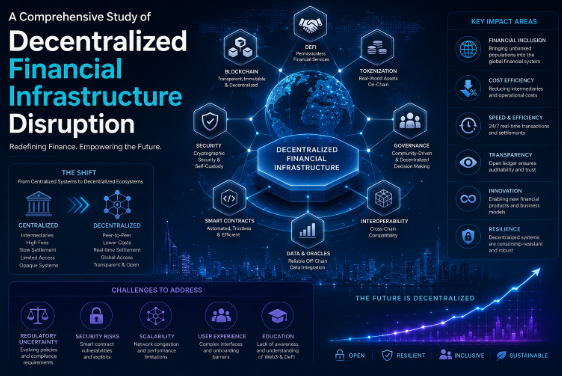
Introduction to Decentralized Finance (DeFi)
Decentralized finance, commonly referred to as DeFi, represents a transformative shift in the financial landscape. Originating from the broader cryptocurrency movement, DeFi emerged with the aim of creating a more open and accessible financial system that operates without traditional intermediaries such as banks or brokerage firms. At its core, DeFi leverages blockchain technology—a distributed ledger system that ensures transparency and security—to facilitate peer-to-peer transactions and interactions.
The key principles of decentralized finance include transparency, accessibility, and programmability. Unlike traditional finance, where access to services is often gated by institutional barriers, DeFi aims to democratize financial services, allowing anyone with an internet connection to participate. This inclusivity is made possible by the underlying blockchain protocols that govern the DeFi ecosystem, where operations are executed on smart contracts—self-executing contracts with the terms of the agreement directly written into code.
Smart contracts eliminate the need for intermediaries, which reduces costs and enhances efficiency. They enable a range of financial applications, including lending platforms, decentralized exchanges (DEXs), yield farming, and stablecoins, all of which contribute to a comprehensive alternative to conventional finance. This expansion of financial services outside centralized control not only fosters innovation but also introduces challenges related to security, regulation, and market stability.
The current landscape of decentralized finance is rapidly evolving, with numerous protocols and applications entering the market. These innovations enable users to earn interest, borrow, trade assets, and even insure against risks—all without reliance on traditional financial institutions. This burgeoning ecosystem is still in its nascent stage, suggesting that the potential for disruption within the financial sector remains vast.
The Drivers of Disruption in Financial Infrastructure
The decentralized finance (DeFi) movement has rapidly transformed the landscape of financial infrastructure, driven by several key factors. One of the primary drivers is the advancement of technology. Innovations in blockchain technology have established the foundation for secure, transparent, and efficient transactions. Smart contracts facilitate automated agreements without the need for intermediaries, thus reducing transaction costs and enhancing efficiency. This technological evolution is vital in creating a trustless environment that allows users to engage in financial activities directly, promoting a shift toward decentralized models.
Another significant driver of disruption lies in shifts in consumer behavior. Modern consumers, especially millennials and Generation Z, demonstrate a preference for digital solutions that offer convenience, accessibility, and control over their financial assets. As users increasingly seek alternatives to traditional banking systems, they gravitate towards decentralized platforms that provide a greater sense of empowerment and participation in their financial decisions. This demand for user-centric financial services is reshaping the industry dynamics and pushing traditional financial institutions to adapt.
Regulatory challenges also play a critical role in the disruption of financial infrastructure. As DeFi platforms operate outside traditional regulatory frameworks, they pose a challenge for regulators who strive to establish guidelines that ensure consumer protection while fostering innovation. The complexity of governing a rapidly evolving sector has led to uncertainty, prompting calls for more comprehensive regulations that can provide clarity and stability while accommodating new technologies.
Finally, the rise of financial inclusion is an undeniable force driving the evolution of financial infrastructure. DeFi has the potential to offer financial services to unbanked and underbanked populations globally, bridging gaps in accessibility and fostering economic participation. This push toward inclusivity challenges the existing paradigms of finance, urging stakeholders to rethink how they engage with underserved communities.
Key Components of Decentralized Financial Infrastructure
Decentralized finance (DeFi) is an innovative financial ecosystem built on blockchain technology, designed to eliminate intermediaries and create a more inclusive financial system. The key components of this infrastructure work in synergy to provide users with a seamless experience while participating in various financial activities. Below are the fundamental elements that constitute the DeFi landscape.
One of the most significant components of DeFi is lending platforms. These platforms enable users to lend and borrow cryptocurrencies without the need for a traditional bank. By utilizing smart contracts, they automate the process, ensuring that terms are met without human intervention. This feature allows users to earn interest on their idle assets, thus optimizing their investment strategies.
Another essential element is decentralized exchanges (DEXs). DEXs facilitate the trading of cryptocurrencies directly between users without relying on a central authority to manage transactions. This not only enhances security but also provides users with greater control over their assets. The rise of DEXs has democratized trading, making it accessible to anyone with an internet connection.
Stablecoins, which are cryptocurrencies pegged to stable assets such as fiat currencies, represent another critical component in the DeFi space. They serve as a bridge between traditional finance and the digital ecosystem, providing users with the necessary stability to execute transactions within the volatile cryptocurrency environment.
Lastly, yield farming has gained significant traction within DeFi. This practice allows investors to earn returns on their crypto holdings by providing liquidity to various platforms in exchange for rewards. Yield farming incentivizes users to engage actively within the DeFi ecosystem, thereby promoting its overall growth and sustainability.
Benefits of Decentralized Financial Systems
The emergence of decentralized finance (DeFi) has introduced a paradigm shift in the financial landscape, offering numerous advantages over traditional financial systems. One of the most significant benefits of DeFi is its inherent transparency. By leveraging blockchain technology, transactions in decentralized systems are recorded on a public ledger, allowing participants to verify transactions in real-time, thereby significantly reducing the opportunities for fraud and manipulation.
Another critical advantage is the reduction in costs associated with financial transactions. Traditional finance often involves intermediaries such as banks and brokers, which can impose high fees and commissions. In contrast, DeFi platforms typically operate on a peer-to-peer basis, thereby eliminating these intermediaries and allowing users to engage in financial activities at a fraction of the cost. Studies indicate that transaction fees in decentralized systems can be as low as 0.1%, showcasing a stark contrast to traditional finance where fees can climb to several percentage points.
Accessibility is another compelling benefit associated with DeFi. Unlike traditional financial systems that often require extensive documentation and background checks, DeFi can be accessed by anyone with an internet connection. This inclusive nature of decentralized finance opens up opportunities for unbanked populations globally, empowering them with financial services that were previously unavailable.
Finally, enhanced security protocols play a crucial role in the appeal of decentralized finance. Unlike conventional financial systems that are often targets for hacking and cybercrime due to their centralized nature, DeFi operates on decentralized networks, making it significantly more challenging for malicious actors to compromise the system. By utilizing smart contracts and cryptographic safeguards, DeFi platforms offer a higher level of security for user assets.
As illustrated by various comparisons, these benefits position decentralized financial systems as formidable alternatives to traditional finance, driving greater efficiency, inclusivity, and security in the financial ecosystem.
Challenges and Risks Associated with DeFi
Decentralized finance (DeFi) presents numerous opportunities for innovation and accessibility in the financial sector; however, it is not without its challenges and risks. One of the foremost issues in the DeFi ecosystem is the vulnerability of smart contracts. These self-executing contracts operate on blockchain technology, and if there are coding flaws or security loopholes, they can be exploited by malicious actors. Such vulnerabilities can lead to significant financial losses for users and undermine trust in DeFi protocols.
Market volatility poses another significant risk associated with DeFi. Unlike traditional financial markets, the DeFi landscape can experience extreme price fluctuations within short periods. This volatility not only impacts individual asset prices but can also affect the liquidity and stability of entire platforms. Investors who are unaccustomed to such rapid changes may encounter challenges in managing their portfolios effectively, leading to potential losses.
Regulatory uncertainty is an ongoing challenge for decentralized finance. As governments and regulatory bodies around the world attempt to catch up with the pace of technological innovation, the legal framework governing DeFi remains ambiguous. This uncertainty can deter potential investors and users, as they may be concerned about the implications of future regulations or enforcement actions that could impact their assets or operations within the DeFi space.
Furthermore, the risk of illicit activities such as money laundering and fraud is amplified within the DeFi landscape. The pseudonymous nature of blockchain transactions can make it difficult to trace illicit funds, enticing bad actors who aim to exploit these loopholes. This aspect not only threatens the safety of individual users but can also bring undue scrutiny from regulatory agencies.
In conclusion, while decentralized finance offers transformative potential, addressing these challenges is crucial for ensuring a secure and stable ecosystem. Understanding these risks will help participants navigate the complexities of DeFi and contribute to its maturation and broader acceptance in the financial domain.
Real-world Use Cases of DeFi Disruption
Decentralized Finance (DeFi) has emerged as a powerful alternative to traditional financial systems, yielding substantial benefits across various sectors. One of the most significant transformations can be observed in the lending space. Platforms such as Aave and Compound facilitate peer-to-peer lending, enabling users to lend and borrow assets without the interference of centralized intermediaries. By leveraging smart contracts, these platforms offer users competitive interest rates and increased autonomy over their financial dealings. Such innovations not only democratize access to capital but also enhance liquidity in the financial system.
In the insurance sector, DeFi has introduced the concept of parametric insurance. Platforms like Nexus Mutual utilize blockchain technology to provide coverage against smart contract failures or specific events. This innovation streamlines claims processing through automated oracle solutions, thereby reducing costs and increasing trust among policyholders. The ability to access insurance without traditional underwriting processes makes this approach appealing, particularly in underserved markets where conventional insurance may be scarce.
The tokenization of real-world assets is another area where DeFi demonstrates its potential. Through platforms such as RealT and Harbor, physical assets like real estate can be fractionalized into digital tokens, allowing investors to own a portion of the asset without incurring the high costs associated with direct ownership. This breakthrough expands the investment pool, making real estate more accessible to a broader demographic, while enhancing liquidity in previously illiquid markets.
Overall, the integration of DeFi within these sectors reveals its capability to disrupt traditional financial practices significantly. By promoting transparency, efficiency, and inclusivity, DeFi applications are reshaping how businesses and consumers engage with financial services, ultimately enhancing their financial experiences in numerous ways.
Future Trends in Decentralized Financial Infrastructure
The decentralized financial (DeFi) landscape is evolving rapidly, influenced by technological advancements and changing market dynamics. One significant trend shaping the future of DeFi is the integration with traditional financial systems. As institutional investors and legacy financial institutions begin to embrace DeFi protocols, a hybrid model may emerge. This model could facilitate greater liquidity, allowing users to access a broader range of financial services seamlessly. Traditional banks may also adopt decentralized technologies to enhance operational efficiency and reduce costs, indicating a convergence rather than an outright replacement of systems.
Moreover, evolving regulatory frameworks appear poised to play a critical role in the maturation of DeFi. Governments and regulatory agencies worldwide are increasingly scrutinizing decentralized platforms to address concerns related to investor protection, anti-money laundering (AML), and consumer rights. As these regulations take shape, they may drive innovation within the DeFi sector, encouraging platforms to adopt best practices while ensuring compliance. The establishment of clear regulatory guidelines can foster greater trust among users, potentially attracting a wider audience and leading to sustainable growth.
Additionally, the rise of Decentralized Autonomous Organizations (DAOs) is set to transform governance models within DeFi ecosystems. Unlike traditional organizations, DAOs empower stakeholders to participate actively in decision-making processes. This democratization of governance can enhance user engagement and align the interests of participants. As DAOs continue to proliferate, their structures may evolve, offering innovative solutions to governance challenges faced by DeFi platforms. The synergy between DAOs and DeFi could also facilitate funding for projects, enabling community-driven initiatives and contributing to a more inclusive financial system.
The Role of Governance in DeFi
Decentralized Finance (DeFi) represents a significant evolution in the financial landscape, allowing users to engage in financial activities without the need for traditional intermediaries. Central to the functioning of DeFi protocols is the aspect of governance, which dictates how these platforms operate and evolve over time. Governance in DeFi encompasses the strategies and mechanisms by which participants can influence decisions regarding protocol development and changes.
Traditionally, governance models in DeFi can be broadly categorized into two groups: on-chain and off-chain governance. In on-chain governance, decisions are made through a voting process enacted directly on the blockchain, ensuring transparency and engagement. Token holders can vote on proposals that impact the protocol, including upgrades, fee structures, and other critical issues. This model empowers users and promotes a sense of ownership, as stakeholders have a direct say in how the platform evolves.
Conversely, off-chain governance often relies on discussions and deliberations in community forums before formal proposals are made on-chain. While this approach can promote in-depth analysis and consensus-building, it may also introduce biases that can lead to centralization of power, as only those engaged in discussion may have significant influence over outcomes.
The effectiveness of a governance model in DeFi is paramount for its success. An inclusive and well-structured governance system can enhance user trust, lead to community-driven innovation, and ensure responsiveness to stakeholder needs. However, challenges persist, including low voter turnout among token holders and the potential for governance attacks where malicious actors manipulate the voting process to serve their interests.
Understanding the implications of governance in DeFi is critical for users and stakeholders alike. Effective governance can safeguard the interests of the community, while failures in governance structures can lead to project instability and misuse of power. Thus, governance plays an essential role in shaping the future of decentralized financial systems.
Conclusion: The Path Ahead for Decentralized Finance
The systematic evaluation of decentralized financial infrastructure disruption reveals the transformative potential that this sector holds for the global economy. Throughout this study, it has become evident that decentralized finance (DeFi) is not merely a trend but a significant evolution in how financial services can be structured and delivered. The dismantling of traditional financial intermediaries fosters a landscape of innovation that permits increased accessibility, transparency, and efficiency within financial transactions.
As we look toward the future, the path ahead for decentralized finance is laden with both challenges and opportunities. One key takeaway from this analysis is the necessity for stakeholders, ranging from developers to regulators, to maintain an adaptive approach. Given the rapid pace of technological advancements, continuous engagement with emerging trends and user feedback is crucial. This involves not only enhancing user experiences but also addressing regulatory frameworks that can harmonize the growth of decentralized financial ecosystems with consumer protection and financial stability.
Another important aspect is the imperative for further research into the scalability and security of decentralized financial systems. These factors are vital for fostering trust and mass adoption among users who may be wary of new technologies. Diverse methodologies, including interdisciplinary studies that encompass technical, economic, and sociocultural perspectives, can provide deeper insights and drive meaningful improvements in DeFi applications.
In conclusion, while the decentralized finance sector is still in its formative stage, it holds immense promise. By prioritizing adaptation, fostering innovation, and promoting collaborative efforts, the future of decentralized finance can be shaped into one that benefits all participants. The commitment to exploring new paths will ultimately determine the trajectory of this groundbreaking financial model, paving the way for an inclusive and efficient financial landscape.