





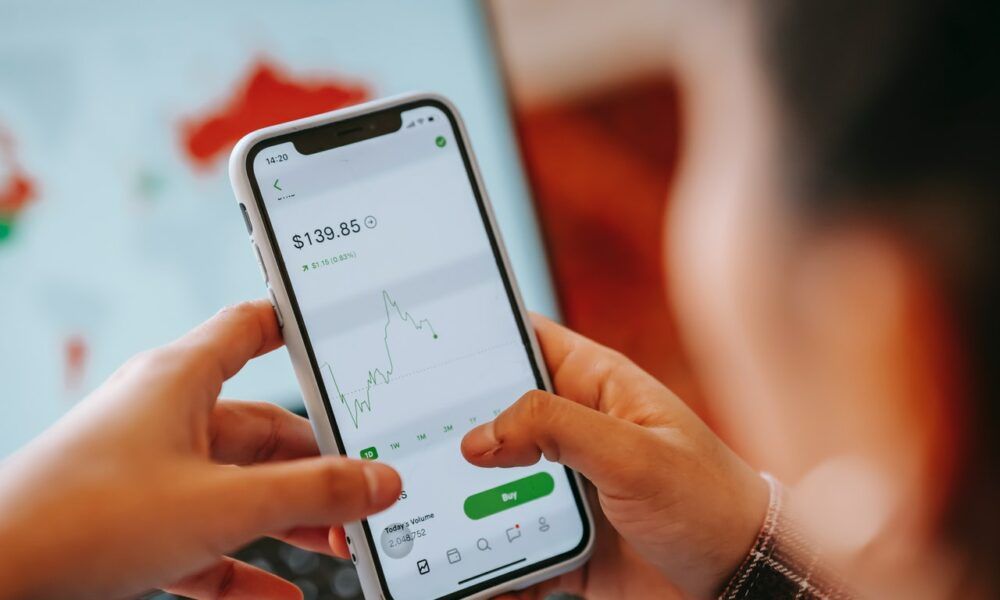
Introduction to Binance
Binance is one of the world’s leading cryptocurrency exchanges, known for its wide array of services and comprehensive trading features. Founded in 2017 by Changpeng Zhao, the exchange quickly rose to prominence due to its user-friendly interface, vast selection of tradable cryptocurrencies, and robust security measures. By offering a platform that caters to both novice and experienced traders, Binance has established itself as a pivotal player in the digital asset market.
Binance provides a multitude of services that include spot trading, margin trading, futures trading, and staking, along with various tools designed to enhance the trading experience. The exchange supports a diverse range of cryptocurrencies, allowing users to trade over 500 different digital assets. This extensive offering enables traders to capitalize on market fluctuations, making Binance a critical hub for cryptocurrency exchanges.
The importance of Binance in the cryptocurrency ecosystem cannot be overstated. With millions of active users worldwide, it processes billions of dollars in trading volume on a daily basis. This high liquidity ensures that users can execute trades efficiently without significant price slippage. Additionally, Binance’s commitment to innovation has led to the introduction of various products, including Binance Smart Chain, which facilitates decentralized finance (DeFi) applications.
Furthermore, the processes of depositing and withdrawing funds are integral to the overall trading experience on Binance. These functions not only allow users to access the market but also manage their investment strategies effectively. By understanding how to deposit and withdraw funds securely, traders can engage more confidently in their trading activities, thereby contributing to their success in the cryptocurrency landscape.
Understanding the Banking Options on Binance
When engaging in cryptocurrency trading on Binance, understanding the available banking options for depositing and withdrawing funds is crucial for ensuring a smooth experience. Binance provides users with several methods to manage their fiat and cryptocurrency transactions efficiently.
One of the most popular methods for funding your Binance account is through bank transfers. This option typically involves linking a user’s bank account to their Binance account, allowing for easier fund transfers. Bank transfers often have lower fees and higher limits compared to other methods. However, users should be aware that the processing time for bank transfers can vary, sometimes taking several days before the funds are available for trading.
Alternatively, credit and debit cards serve as a convenient option for immediate deposits. Binance accepts various card providers, allowing users to buy cryptocurrencies instantly. This method has the advantage of quick access to funds, but it may incur higher fees compared to bank transfers. Additionally, credit cards may have limits imposed by financial institutions, which can restrict larger transactions.
For those who prefer to transact using cryptocurrencies, Binance also supports direct deposits from various wallets. Users can deposit cryptocurrencies such as Bitcoin or Ethereum directly into their Binance account. The advantage of this method is that it allows for instant transactions, securing trading opportunities without waiting for fiat conversion. However, it is essential for users to ensure they deposit the correct cryptocurrency to the appropriate deposit address, as mistakes can lead to loss of funds.
In conclusion, Binance offers a diverse range of banking options, each with its advantages and considerations. Users should assess their personal preferences regarding speed, fees, and transaction limits when selecting the method that best aligns with their trading strategy.
How to Create a Binance Account
Establishing a Binance account is a straightforward process, which begins with visiting the official Binance website. The registration requires you to provide essential information, including your email address and a strong password. It’s advisable to choose a password that combines letters, numbers, and special characters to enhance security. After filling in the necessary details, you will need to accept the terms and conditions to proceed.
Once registered, you will receive a confirmation email. Click the verification link in the email to activate your account. This step is critical for ensuring that you have access to your account and that it is recognized as legitimate. Following this, Binance will prompt you to complete identity verification as part of its compliance with regulatory requirements. You will need to submit personal documents, such as an identification card or a passport, and possibly provide additional information like a utility bill as proof of residence.
Security is a paramount concern for Binance; hence, users are encouraged to enable two-factor authentication (2FA) immediately after account confirmation. This feature provides an additional layer of security by requiring not just a password but also a code sent to your mobile device whenever you log in or carry out significant transactions. Additionally, users are advised to store their passwords securely and to remain vigilant against phishing attempts that may seek to compromise their accounts.
In conclusion, creating a Binance account involves several steps designed to ensure both the user’s identity is verified and their account is secure. Following these detailed steps allows users to trade confidently and comply with the necessary regulatory measures, ensuring a safer trading environment.
Step-by-Step Guide to Depositing Funds on Binance
Depositing funds into your Binance account is an essential step for engaging in cryptocurrency trading. This guide will provide you with a comprehensive overview of the different methods available for funding your account, including the associated fees and processes.
Step 1: Sign In to Your Binance Account
Begin by navigating to the Binance website and logging in using your credentials. Ensure that your account is secure by utilizing two-factor authentication.
Step 2: Navigate to the Wallet Section
Once logged in, hover over the “Wallet” tab on the top menu and select “Fiat and Spot” from the dropdown. This action will direct you to your wallet overview page.
Step 3: Click on Deposit Button
On the wallet overview page, find the “Deposit” button. Click on it to begin the depositing process. You will be prompted to choose the cryptocurrency or fiat currency you wish to deposit.
Step 4: Choose Your Deposit Method
Binance offers multiple deposit methods: Bank Transfer (ACH transfer), Credit/Debit Card, and Crypto Deposit. For fiat deposits, select your preferred method and follow the onscreen instructions. Here are brief details:
- Bank Transfer: This method typically has lower fees, but confirmation may take longer, ranging from a few hours up to a few days.
- Credit/Debit Card: Instant deposits are possible with cards. However, expect slightly higher fees for this convenience.
- Crypto Deposit: You can send crypto assets from other wallets to your Binance address. Make sure to copy the address carefully, as sending cryptocurrencies to the wrong address can result in loss of funds.
Step 5: Follow the Instructions
For your selected method, follow the steps provided during the deposit process, which may include confirming your identity or payment method. For crypto deposits, ensure you are aware of any network fees and required confirmations for the particular cryptocurrency.
Pay close attention to any additional messages regarding potential deposits or transaction limits. Once all steps are completed and your transaction is confirmed, you’ll see the deposited funds reflected in your Binance wallet. Keep in mind that processing times may vary based on the method chosen.
With these steps, you can effectively deposit funds into your Binance account, allowing you to participate in cryptocurrency trading with ease.
Common Issues When Depositing and How to Resolve Them
When using Binance for trading activities, users may encounter various issues while depositing funds. Understanding these common problems and their solutions can enhance the overall user experience and ensure efficient transactions.
One prevalent issue is transaction delays. Such delays can occur due to network congestion or slow processing times by certain blockchains. To mitigate this, users are advised to check the status of the blockchain on which they are making the deposit. Monitoring the transaction through block explorers can provide insight into its current state. Additionally, opting for a higher transaction fee can expedite the processing time, simply because miners prioritize higher fees.
Another frequent problem is sending funds to an incorrect address. Users must ensure that the address they are depositing to is correct and matches the corresponding cryptocurrency. This is crucial because transactions sent to an incorrect or incompatible address may result in permanent loss of funds. Before finalizing a deposit, double-checking the address and using copy-paste functions can significantly reduce human error.
Rejected transactions are also a source of frustration for many Binance users. A transaction may be rejected due to insufficient balances or violations of exchange policies. To resolve this, users should confirm that they possess enough funds for the transaction and review the terms of service to ensure compliance. If problems persist, contacting Binance’s customer support can provide necessary guidance.
In summary, being aware of these common issues, such as transaction delays, incorrect addresses, and rejected transactions, can facilitate smoother deposits on Binance. By addressing these potential challenges with the outlined solutions, users can enhance their overall trading experience.
Navigating the Withdrawal Process on Binance
Withdrawing funds from Binance is a straightforward process, allowing users to easily transfer their digital assets to their preferred wallets or banking accounts. To initiate a withdrawal, users must first log into their Binance account and navigate to the “Wallet” section found on the top menu. From there, select “Spot Wallet” which provides an overview of all available balances.
Once you’ve identified the cryptocurrency you wish to withdraw, click on the “Withdraw” button. A new window will appear, prompting you to enter the withdrawal details. Start by selecting the currency you wish to withdraw and input the correct recipient address. It is essential to double-check this address, as sending funds to the wrong address can result in irreversible loss.
Following this, you will need to specify the amount you wish to withdraw. Be aware that Binance has set withdrawal limits depending on the user’s verification level. Additionally, each cryptocurrency may have its respective minimum withdrawal amount. It is advised to review these limits carefully to avoid any issues during the transaction.
After entering the withdrawal amount and confirming all details, Binance will show a breakdown of fees associated with the transaction. Withdrawal fees vary based on the cryptocurrency being withdrawn, and these fees are deducted from the total amount you wish to send. Users should factor in these costs when planning their withdrawals.
Once you have confirmed your withdrawal request, the processing time may vary. Generally, withdrawals are processed within a few minutes; however, this can extend to several hours during periods of network congestion. Users will receive a confirmation email and updates regarding the status of their transaction in their account dashboard.
Security Best Practices for Deposits and Withdrawals
When engaging in cryptocurrency transactions, particularly on platforms like Binance, it is crucial to prioritize security during both deposits and withdrawals. Implementing robust security measures can help safeguard your funds and personal information from potential threats. One of the essential steps in enhancing your account security is to enable two-factor authentication (2FA). This additional layer of protection requires not only your password but also a unique code generated by a 2FA application, making unauthorized access significantly more difficult for attackers.
In addition to 2FA, using secure wallets for storing your cryptocurrencies is vital. While Binance offers a secure environment for trading, keeping your assets in a personal cryptocurrency wallet, preferably a hardware wallet, provides added security against online breaches. Hardware wallets store your private keys offline, making them impervious to online threats. Even though software wallets are convenient for frequent transactions, they expose you to higher risks of hacking.
Regularly changing your account password and ensuring that it is strong, unique, and not easily guessable can further enhance your security posture. Avoid using the same password across different platforms to mitigate the risk of a compromised account leading to loss of funds. Monitoring your account activity for any suspicious behavior and enabling withdrawal whitelist features, which allow only specified addresses to receive funds, adds an additional layer of control.
Finally, stay informed about the latest security practices and potential threats within the cryptocurrency space. By consistently applying these security measures, you can significantly reduce the likelihood of encountering problems during your deposit and withdrawal activities on Binance. Prioritizing security not only protects your assets but also contributes to the overall integrity and trustworthiness of the cryptocurrency ecosystem.
Understanding Fees Associated with Deposits and Withdrawals
When utilizing Binance for cryptocurrency transactions, it is imperative for users to understand the various fees associated with both depositing and withdrawing funds. These fees can vary significantly based on several factors, including the payment method and the specific currency being transacted.
For instance, when depositing funds using bank transfers, users may encounter minimal fees or no charges at all, depending on their regional banking policies. However, when opting for credit or debit card payments, users should anticipate higher fees, often due to the transaction costs imposed by card networks. It is crucial for users to check Binance’s fee schedule corresponding to the payment method they choose to ensure they are fully aware of any applicable charges before proceeding.
Withdrawal fees can also exhibit substantial variability. Binance employs a fee structure that adjusts according to the cryptocurrency being withdrawn. Each digital asset has its own withdrawal fee, which can fluctuate based on market conditions and network congestion. For example, withdrawing Bitcoin may incur a distinct fee compared to withdrawing Ethereum or Litecoin. As a result, users must consider these variations when planning their withdrawals, as the total amount received may be affected.
Furthermore, users should be attentive to the potential for third-party fees, particularly when using external payment methods or wallets. These fees are often outlined by the payment provider and may be distinct from Binance’s own charges. Thus, conducting a comprehensive review of all potential fees before executing transactions on Binance is wise, ensuring a clear understanding of the total costs associated with depositing and withdrawing funds.
Conclusion and Additional Resources
In conclusion, understanding how to deposit and withdraw funds on Binance is a fundamental aspect of engaging in cryptocurrency trading. Throughout this guide, we have highlighted the essential steps required to efficiently manage your transactions on this prominent exchange. The processes of depositing and withdrawing not only involve basic navigation of the platform but also require awareness of the various methods available, such as bank transfers, credit card payments, and cryptocurrency transfers. Familiarizing yourself with these options can significantly enhance your trading experience.
Furthermore, it is vital to recognize the importance of verifying your identity and securing your account with two-factor authentication. This will help protect your assets and personal information, which is paramount in the digital currency space. Being informed about transaction fees and processing times will also contribute to making smarter trading decisions and optimizing your investments.
For those interested in diving deeper into the intricacies of trading on Binance, a plethora of resources are available. The official Binance Support Center offers extensive documentation on a wide range of topics, including how to navigate the platform, trading strategies, and insights into market analyses. You can find useful information at the following links:
- Binance Support Center
- Frequently Asked Questions
- Spot Trading Guide
Engaging with the Binance community through forums and social media can also provide invaluable insights and experiences shared by other traders. As the cryptocurrency landscape is constantly evolving, staying informed and connected will empower you to navigate your trading journey effectively.