





Introduction to Bitcoin Transactions
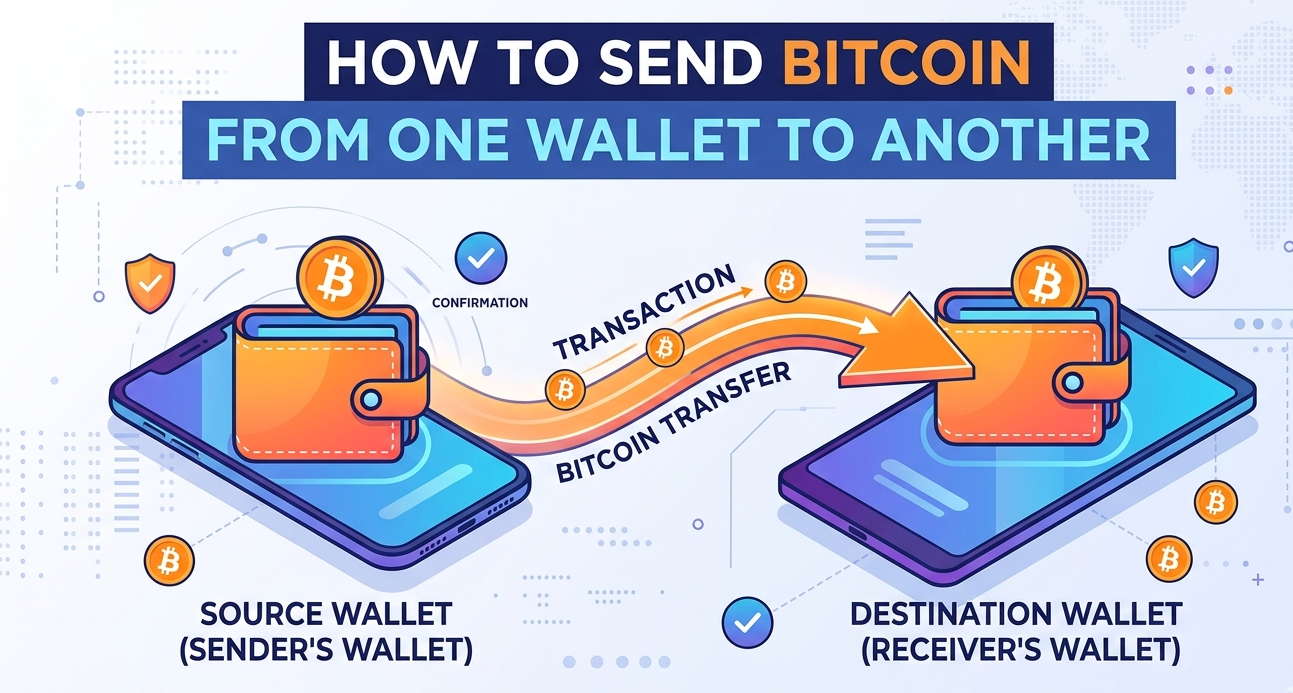
Bitcoin transactions are the backbone of the Bitcoin network, allowing users to send and receive digital currency in a decentralized manner. At its core, a Bitcoin transaction involves the transfer of value from one wallet to another, secured through blockchain technology. This process is facilitated by the Bitcoin protocol, which ensures that all transactions are recorded on a public ledger known as the blockchain. This comprehensive ledger not only tracks the balance of each wallet but also maintains the integrity and security of the entire network.
When a user initiates a Bitcoin transfer, they create a transaction that specifies the amount of Bitcoin being sent and the recipient’s wallet address. Each transaction must then be verified by miners, who use powerful computers to solve complex mathematical problems, confirming that the sender has sufficient funds and preventing double-spending. Once confirmed, the transaction is added to a new block and incorporated into the blockchain, making it immutable and transparent.
Understanding the basics of Bitcoin transactions is crucial for individuals looking to engage in cryptocurrency transfers. It is important to note that each transaction incurs a mining fee, which incentivizes miners to maintain network security and transaction processing efficiency. Additionally, users should familiarize themselves with different wallet types, such as software wallets, hardware wallets, and exchanges, as these can impact the transaction experience and security of funds.
In conclusion, grasping the fundamental concepts of Bitcoin transactions is essential for anyone interested in participating in the cryptocurrency ecosystem. This knowledge not only equips users with the necessary tools for executing transactions but also fosters a deeper understanding of how Bitcoin operates in the broader financial landscape.
Understanding Wallet Types
Bitcoin wallets are essential tools that store the private and public keys necessary for conducting transactions on the Bitcoin network. They come in various forms, broadly classified into two categories: hot wallets and cold wallets. Each type possesses distinct characteristics, advantages, and disadvantages, particularly when it comes to transmitting Bitcoin.
Hot wallets are wallets connected to the internet, making them easily accessible for everyday transactions. Examples of hot wallets include online wallets, mobile wallets, and desktop wallets. One of the key advantages of hot wallets is their convenience; they allow users to send and receive Bitcoin swiftly. However, this convenience comes with an increased risk of cyberattacks, as being online exposes these wallets to potential hacking and phishing attempts.
On the other hand, cold wallets are not connected to the internet, which significantly enhances their security. Common forms of cold wallets include hardware wallets and paper wallets. Hardware wallets, such as the Ledger and Trezor, are physical devices designed to securely store private keys offline, providing robust protection against online threats. While they are generally seen as more secure, they can be less convenient than hot wallets when needing to access or send Bitcoin quickly. Paper wallets, which involve printing the wallet’s private and public keys on paper, offer a high level of security but are prone to physical damage and loss.
In summary, selecting the right Bitcoin wallet type depends on the user’s needs relating to convenience and security. Users seeking frequent Bitcoin transactions may favor hot wallets, while those prioritizing security for long-term storage might opt for cold wallets. Understanding these wallet types enables individuals to make informed decisions when sending Bitcoin from one wallet to another.
Setting Up Your Bitcoin Wallet
Establishing a secure Bitcoin wallet is a fundamental step for individuals looking to engage in cryptocurrency transactions. The first decision revolves around selecting the appropriate type of wallet based on your needs. Bitcoin wallets generally fall into three categories: software wallets, hardware wallets, and paper wallets, each offering different levels of security and convenience.
Software wallets, available as desktop applications or mobile applications, provide ease of access and usability for active trading and transactions. When selecting a software wallet, it is crucial to choose one that is reputable and has strong security features, such as two-factor authentication and encryption. You can find many software wallets offering user-friendly interfaces suitable for both beginners and experienced users.
On the other hand, hardware wallets are physical devices that store your private keys offline, providing a higher level of security against online threats. While they require an initial investment, hardware wallets are considered one of the safest options for storing Bitcoin, especially for long-term holdings. Popular options include wallets like Ledger and Trezor, both of which have proven track records in safeguarding cryptocurrencies.
Furthermore, if opting for a paper wallet, you will generate a pair of keys offline and print them out. This method eliminates most online vulnerabilities but introduces risks such as physical damage or loss of the document. If you choose this option, ensure that you create and store your paper wallet securely, away from potential hazards.
After deciding on the wallet type, download the necessary software or follow the hardware set-up instructions thoroughly. Always remember to activate security features immediately after installation, such as creating a strong password and setting up backup recovery phrases. This proactive approach will help protect your Bitcoin assets and ensure a smooth transaction experience.
How to Obtain the Recipient’s Bitcoin Address
Obtaining the recipient’s Bitcoin address is a critical step in ensuring that your transaction is successful and secure. The Bitcoin address is a unique identifier that allows for the safe transfer of the cryptocurrency from your wallet to another. To obtain this address, you should first request it directly from the recipient. Ensure that the recipient shares their address through a secure communication channel to prevent interception by any malicious actors.
When you receive the Bitcoin address, it is vital to double-check it before proceeding with the transfer. Bitcoin addresses can come in various formats, including Legacy (starting with a ‘1’), Shared (starting with a ‘3’), and SegWit (starting with ‘bc1’). Carefully copy the entire address, including any characters, to avoid errors. Mistakes with the Bitcoin address can lead to irreversible loss of funds, which is why scanning for any typographical errors is highly recommended.
To further safeguard against errors, utilize a method where you verify the address you copied against the one provided by the recipient. A simple way to do this is by using both copy-paste methods and manual entry. For example, after pasting the address in your wallet, you can compare the last few digits with what the recipient provided. Given that cryptocurrency transactions cannot be reversed, verifying the Bitcoin address can save you from considerable financial distress.
In addition, only use trusted wallets to send Bitcoin, as some less reputable services may expose your funds to potential risks. Always be cautious of phishers or scam websites by confirming the authenticity of the Bitcoin address. Following these steps to obtain and validate the recipient’s Bitcoin address can significantly increase the likelihood of a successful transaction.
Initiating the Transfer Process
Transferring Bitcoin from one wallet to another involves several steps that are crucial for ensuring the transaction is successful. To begin the transfer process, first, log into your Bitcoin wallet. Ensure that the wallet you are accessing is the one where your Bitcoin is stored, and that you have appropriate security measures in place, such as two-factor authentication.
Once logged in, locate the option for sending or transferring Bitcoin, which is typically found in the wallet’s user interface. Click on the “Send” button to proceed. You will then be prompted to provide the recipient’s Bitcoin address. This address is a unique alphanumeric string that identifies the wallet of the person you are sending Bitcoin to. Ensure that you copy the entire address accurately, as any errors can result in the loss of your funds.
Next, specify the amount of Bitcoin you wish to send. It is advisable to double-check the current value of Bitcoin and ensure that you are sending the correct amount. Additionally, some wallets allow you to set the transaction fee. This fee is what miners receive for processing the transaction and can vary depending on network congestion. Higher fees often result in faster transaction confirmations, while lower fees may delay the process.
Before completing the transaction, review all details carefully. Ensure that the recipient’s Bitcoin address and the amount are entered correctly. After confirming that all information is accurate, finalize the transaction by clicking the “Send” button. Once initiated, your wallet may provide you with a transaction ID, which you can use to track the status of the transfer on the blockchain.
Transferring Bitcoin between wallets is a straightforward process, yet it carries significant responsibilities regarding the accuracy of the transaction details. Before initiating any transfer, it is critical to confirm that all information is correct. One key step is verifying the recipient’s wallet address. This address is a long string of letters and numbers unique to the recipient’s wallet, and mistakenly entering an incorrect address can lead to irreversible loss of funds. Therefore, it is advisable to double-check the address before proceeding.
Additionally, attention must be paid to the amount of Bitcoin being sent. Sending more than intended could result in unwanted consequences, such as exceeding personal or transaction limits. Once again, it is crucial to cross-reference the quantity intended for transfer against what is displayed in the sending wallet. When the amount is displayed, it is beneficial to read it carefully and ensure that it aligns with the desired transaction.
Another essential element to consider is the transaction fee associated with sending Bitcoin. Most wallets will display an estimated fee before the transaction is confirmed. This fee compensates miners for including the transaction in the blockchain and can vary depending on network congestion. Confirming the fee is important as it could affect how quickly the transaction is processed. A higher fee often results in expedited processing, while a lower fee could delay the transfer significantly.
Finally, many wallets provide a summary of the transaction before completion. This feature is a valuable tool for ensuring all details—recipient address, amount, and fee—are correct. Utilizing this summary effectively can prevent potential errors, making the Bitcoin transfer process secure and efficient. Careful review of transaction details prior to finalization can save both time and funds, enhancing the overall security of managing one’s cryptocurrency.
Understanding Transaction Fees and Confirmation Times
When sending Bitcoin, understanding transaction fees and confirmation times is crucial for ensuring that your transactions are processed efficiently. Transaction fees are amounts paid to miners for including a transaction in a block on the blockchain. These fees are determined by the current network traffic and the size of the transaction in bytes. High demand on the Bitcoin network can lead to increased fees, while lower congestion often results in reduced costs.
To provide more insight, when the number of transactions on the Bitcoin network increases, miners prioritize those with higher fees, which can lead to longer confirmation times for transactions with lower fees. On the contrary, during times of lower demand, even transactions with minimal fees can be confirmed relatively quickly. This dynamic nature of transaction fees is essential to comprehend as it directly impacts how quickly recipients receive their Bitcoin.
Moreover, several factors influence how long it takes for a transaction to be confirmed. Not only does network traffic affect fees, but the specific wallet used to send Bitcoin can also dictate the fee rate. Some wallets allow users to manually set transaction fees, while others may offer predefined options based on current network conditions. If you are in a hurry to complete a transaction, it is often advisable to opt for a higher fee tier to ensure faster processing. Conversely, if you are not in a rush and wish to save on fees, choosing a lower fee option may suffice. In general, monitoring the current average transaction fee can help in making informed decisions about sending Bitcoin and adjusting fee levels according to your needs.
Checking the Status of Your Transaction
After initiating a Bitcoin transaction, it is crucial to track its progress to ensure it has been successfully processed. One of the most efficient ways to monitor your Bitcoin transaction is by utilizing blockchain explorers. These tools allow you to access detailed information about transactions that occur on the Bitcoin network.
To start the tracking process, you will need the transaction ID (TXID), which is a unique identifier assigned to your Bitcoin transaction. This ID can typically be found within your wallet interface shortly after sending the Bitcoin. Once you have the TXID, do the following:
1. **Visit a Blockchain Explorer**: Multiple blockchain explorers are available, including popular ones like Blockchair, Blockchain.com, and Blockcypher. Choose one and navigate to its website.
2. **Enter the Transaction ID**: Locate the search bar on the explorer’s homepage and input your transaction ID. After entering the TXID, hit the search button to pull up the transaction details.
3. **Review the Transaction Details**: Upon accessing the transaction information, you will see vital data such as the number of confirmations your transaction has received. Confirmations indicate how many blocks have been added to the blockchain since your transaction was included in the previous block. Higher confirmation counts generally denote greater security and are key to validating the authenticity of the transaction.
4. **Understand Confirmation Requirements**: Most exchanges and merchants require a minimum number of confirmations to deem the transaction complete. For Bitcoin transactions, this requirement usually ranges from three to six confirmations. If your transaction hasn’t received sufficient confirmations, it may be pending or delayed.
5. **Identify Potential Issues**: If a transaction remains unconfirmed for an extended period, it could indicate several issues, such as insufficient transaction fees or network congestion. Most blockchain explorers provide insights into the current state of the network, which can be helpful in determining why your transaction is taking longer than expected.
Troubleshooting Common Issues
When transferring Bitcoin from one wallet to another, users may encounter several common problems that can disrupt the transaction process. Understanding these issues and how to resolve them is essential for a smooth transfer experience.
One of the most frequent issues arises from sending Bitcoin to an incorrect address. Bitcoin transactions are irreversible; thus, it is crucial to double-check the recipient’s address before initiating the transfer. If you realize the mistake before the transaction is confirmed, you can attempt to cancel the transaction if your wallet supports this feature. Otherwise, the funds will be lost, and recovery options are limited unless the recipient is willing to return the transaction.
Another concern is transaction delays, which can occur due to network congestion or low transaction fees. During times of high network traffic, transactions may take longer to be confirmed. If you encounter a delay, you can check online blockchain explorers to monitor the transaction status. Additionally, some wallets offer a feature called “RBF” (Replace-By-Fee), allowing you to increase the fee of an unconfirmed transaction to expedite the confirmation process.
Furthermore, wallet compatibility can lead to issues. Not all wallets support every type of Bitcoin transaction or address format. To mitigate this, it is advisable to use wallets that are compatible with each other. Consulting the wallet’s documentation can provide guidance on supported transactions and address formats.
Lastly, if you’re experiencing technical difficulties with your wallet software or hardware-based wallet, ensure that you keep your wallet application updated. Regular updates can fix bugs and improve performance, enhancing your overall Bitcoin experience. By proactively addressing these common challenges, users can ensure their Bitcoin transfers are successful and efficient.