




Introduction to Binance Verification
Binance is one of the largest cryptocurrency exchanges in the world, providing a platform for trading a diverse array of digital assets. As the cryptocurrency market continues to grow, so does the importance of security and compliance in trading environments. To address these concerns, Binance requires users to undergo a verification process known as Know Your Customer (KYC). This process is designed to verify the identity of users, ensuring that the platform adheres to regulatory requirements and prevents illegal activities such as fraud and money laundering.
The Binance verification process not only protects the exchange’s integrity but also enhances the security of your personal assets. By confirming your identity, Binance is better equipped to monitor transactions and flag any suspicious activities that may arise. This is especially relevant in the volatile world of cryptocurrency, where scams and hacking incidents have become increasingly common. Through KYC, Binance builds a safer trading environment, promoting trust among its users.
While some users may view the verification process as an obstacle, it is essential for the overall health of the trading platform. Completing the KYC procedure allows users to unlock a range of benefits, including higher withdrawal limits, access to advanced trading tools, and the ability to participate in various promotions. As such, understanding the importance of account verification on Binance is crucial for anyone looking to engage in cryptocurrency trading. This guide will take you through the step-by-step process of verifying your Binance account, ensuring you meet all compliance standards while enjoying a secure trading experience.
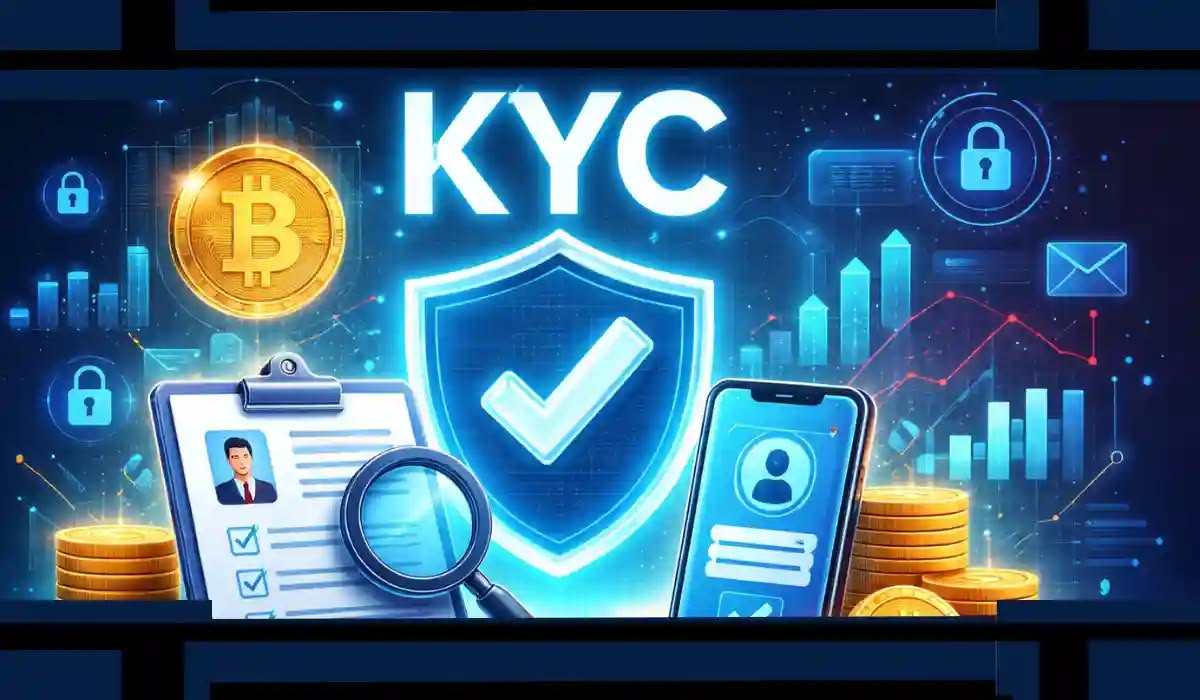
Know Your Customer (KYC) refers to the process of verifying the identities of clients, primarily used by financial institutions and exchanges, including Binance. The KYC requirements are essential to prevent identity theft, financial fraud, money laundering, and the financing of terrorism. By implementing these measures, Binance can enhance the security of its platform and build trust among its users.
When you decide to verify your Binance account, you will be required to provide a variety of personal information. This typically includes your full name, date of birth, nationality, and address. Additionally, you may need to submit a government-issued identification document, such as a passport or driver’s license. In some cases, proof of address, like a utility bill or bank statement, might also be required. This information helps Binance to authenticate your identity and ensure that you are who you claim to be.
The necessity of KYC is rooted in regulatory compliance. Governments and regulatory bodies have established these requirements to ensure that financial services operate transparently and responsibly. For users, completing the KYC process enhances security by reducing the risks associated with anonymous accounts. It also allows for higher withdrawal limits and access to all platform features, as Binance can ensure that all transactions are legitimate and traceable.
Furthermore, Binance’s adherence to KYC protocols reflects their commitment to fostering a safe trading environment. By complying with legal standards, the exchange can not only protect itself from regulatory penalties but also safeguard its users’ interests. Therefore, engaging with a verified account becomes crucial not only for individual traders but also for the integrity of the overall cryptocurrency market.
Preparing for the Verification Process
Before embarking on the verification process for your Binance account, it is essential to gather the necessary documentation to ensure a smooth and efficient experience. The Know Your Customer (KYC) requirements for Binance necessitate users to provide valid identification and proof of address to comply with regulatory standards.
First, you will need an acceptable form of identification. This typically includes a government-issued ID, such as a passport or national identity card. Ensure that the document is current and legible, as blurry or expired IDs may lead to delays or rejection of your application. Additionally, you may also be asked to provide a secondary ID, which can further enhance your verification process.
Next, you will need to provide proof of address. This requirement can typically be met by submitting a recent utility bill, bank statement, or any official document that clearly shows your name and current residential address. It is advisable to use documents dated within the last three months to fulfill this requirement effectively. Make sure that your name matches the one on your identification documents, as discrepancies can hinder the verification process.
In some instances, Binance may also request a selfie or video verification. This step is designed to ensure that the person submitting the documentation matches the identity presented in the submitted ID. Hence, prepare a suitable space with sufficient lighting to capture a clear image. Keep your device charged and ensure your face is visible without obstructions.
Organizing these documents beforehand and ensuring they meet Binance’s guidelines will help expedite your KYC process. By being meticulously prepared, you can confidently begin your account verification, paving the way for a seamless trading experience on Binance.
Step-by-Step Guide to Verifying Your Binance Account
Verifying your Binance account is a critical step for ensuring the security and compliance of your trading activities. The Know Your Customer (KYC) process allows Binance to adhere to regulatory obligations and helps protect users from fraudulent activities. This guide will walk you through the detailed steps required to verify your account.
The first step is to log into your Binance account. Upon successful login, navigate to the user dashboard by locating the profile icon at the top right corner of the homepage. Clicking on this icon will present a drop-down menu. From there, select ‘Identification’ which will lead you to the verification section.
In the verification section, you will be prompted to select the type of verification you need. Depending on your region, you may have the option to choose between Basic Verification and Advanced Verification. For most users, Basic Verification suffices at this stage. Select the desired option and proceed to the next step.
Next, you will be required to enter personal details including your full name, date of birth, and address. Accuracy is essential, as discrepancies may lead to delays in the verification process. Once you have filled out this information, you will be asked to upload identification documents. Acceptable documents typically include a government-issued ID such as a passport or driver’s license, as well as proof of residency such as a utility bill or bank statement.
After uploading the necessary documentation, review all the information to ensure accuracy. Once confirmed, submit your application. Binance will then process your verification request, which may take anywhere from a few minutes to several hours, depending on the volume of applications being handled at that time. During this period, you will receive notifications regarding the status of your verification via email.
Submitting Your Documents for Review
Once you have prepared your identification documents for the Know Your Customer (KYC) process, the next step in verifying your Binance account involves submitting these documents for review. To facilitate a smooth submission, it is vital to understand the requirements and format standards expected by Binance.
You will begin this process by logging into your Binance account and navigating to the verification section. Here, you will find guidelines outlining the necessary documents needed, which typically include a government-issued photo ID and proof of address. Acceptable forms of identification often include passports, national ID cards, or driver’s licenses, while proof of address can be provided through recent utility bills or bank statements.
When uploading your documents, ensure that they are in a supported file format. Generally, Binance accepts JPEG, PNG, and PDF formats. It’s essential to check the maximum file size requirements—commonly up to 10MB per document. To enhance the clarity and legibility of your submission, make sure that your documents are neither blurry nor cropped. Submitting clear and unaltered copies of your documents significantly reduces the chances of rejection.
Common pitfalls during this stage include submitting outdated documents or those that do not meet the specified criteria. Additionally, avoid submitting multiple documents at once when only one is required as this could lead to confusion and further delays. Lastly, be mindful to double-check that your documents have not expired and that all information is accurate, as discrepancies could result in rejection of your verification application.
By carefully following these guidelines for document submission, you will make the process smoother and more efficient, ultimately leading to a quicker verification of your Binance account.
Understanding Verification Status and Issues
Verifying your Binance account is a crucial step to ensure compliance with regulatory requirements and to enhance the security of your transactions. The verification process may vary in duration based on several factors including the current submission volume and the accuracy of the documents provided. Generally, users can expect a verification timeline ranging from a few minutes to several days. Factors affecting this duration may include the completeness of the application and any need for additional documentation.
To check the status of your verification, log in to your Binance account and navigate to the ‘Identity Verification’ section. Here, you will find real-time updates regarding your verification progress. The status may show as ‘Pending’, ‘Approved’, or ‘Rejected’. If your application is under review, it is advisable to monitor this section periodically for updates.
In the event that you encounter issues during the verification process, there are specific steps you should undertake. Firstly, ensure that all the documents submitted are clear, valid, and meeting the format requirements set by Binance. If your application is rejected, you will typically receive an explanation via email outlining the reasons for the denial. Review this feedback carefully and re-submit your application correcting any issues highlighted.
If your verification remains pending beyond the expected time frame, you may contact Binance support for assistance. Providing them with your account details and transaction history may expedite the resolution process. Establishing direct communication with the support team can help clarify any confusion regarding your submission.
Best Practices for Account Security Post-Verification
Upon successfully verifying your Binance account, implementing robust security measures becomes paramount. The cryptocurrency realm is rife with potential threats, and focusing on safeguarding your account is essential. Here are several best practices to enhance your account’s security after verification.
Firstly, enabling two-factor authentication (2FA) should be your top priority. This additional layer of security ensures that even if someone manages to obtain your password, they cannot access your account without the second verification step. Most Binance users prefer using authentication apps like Google Authenticator or Authy rather than SMS-based verification due to the latter’s vulnerability to SIM swapping attacks.
Another crucial aspect of account security is the management of your passwords. Utilize unique, complex passwords for your Binance account that combine letters, numbers, and special characters. Regularly updating your password can also mitigate the risk of unauthorized access. Additionally, consider utilizing a reputable password manager to securely store and manage your passwords.
Furthermore, staying vigilant against phishing attempts is essential. Scammers often masquerade as legitimate entities to coax users into providing sensitive information. Always verify the URL of Binance and refrain from clicking on unsolicited links in emails or messages. If you receive notifications or messages claiming to be from Binance, approach them with caution and verify through official channels.
Finally, be mindful of the devices and networks you use to access your Binance account. Avoid logging in on public Wi-Fi networks unless you utilize a reliable virtual private network (VPN). By adhering to these best practices, you can significantly bolster the security of your Binance account and protect your investments effectively.
Frequently Asked Questions (FAQs) about Binance KYC
The Know Your Customer (KYC) process is a critical aspect of operating on the Binance platform. As users embark on their journey of verifying their accounts, several common queries arise. Addressing these frequently asked questions helps alleviate any apprehensions regarding the KYC process.
One major concern among users is data privacy. Individuals often wonder how their personal information will be handled and safeguarded during the KYC verification. Binance takes user privacy seriously and employs advanced security measures to protect sensitive data. Information is encrypted and stored securely to prevent unauthorized access. Moreover, Binance adheres to global regulations governing data protection, ensuring that user information is used solely for verification purposes.
Another common question is related to the duration of the verification process. The time frame for KYC verification on Binance can vary based on several factors, including the volume of applications being processed at any given time. Typically, users can expect the verification process to take anywhere from a few hours to a couple of days. To expedite the process, ensuring that all documents are submitted correctly and meet the required standards is crucial.
Users also frequently inquire about the next steps if their verification request is denied. If verification fails, Binance notifies users with the reasons for the denial, which might include issues such as insufficient documentation or discrepancies in the submitted information. Users are encouraged to review the feedback, rectify any issues, and resubmit their application. Understanding the common challenges of Binance KYC helps users navigate the process more effectively.
Conclusion and Final Thoughts
In today’s digital age, the verification of your cryptocurrency exchange account is paramount, and Binance is no exception. Completing your Know Your Customer (KYC) process is not merely a requirement but a significant step towards ensuring the security and integrity of your transactions. By verifying your account on Binance, you are enhancing your personal security, protecting your funds, and ensuring compliance with legal requirements.
Throughout this guide, we have outlined the detailed steps necessary to verify your Binance account effectively. From preparing your identification documents to successfully submitting your verification request, each phase is designed to help you navigate the process smoothly. As you undertake this journey, it is crucial to understand that KYC verification plays a vital role in combating fraud and promoting a safe trading environment for all users. Without it, the risks associated with trading in cryptocurrencies could significantly increase.
Moreover, it is important to highlight that adhering to these verification procedures not only instills confidence in the platform but also enhances the overall user experience. By completing your account verification on Binance, you are not only protecting your assets but also contributing to a more secure ecosystem for the entire community.
Rest assured that Binance takes the privacy and security of your data seriously. They utilize advanced security protocols and encryption methods to protect your sensitive information during and after the verification process. Therefore, while it may seem inconvenient to undergo these steps, the security and trust gained from verifying your account are invaluable.
In conclusion, we encourage all Binance users to prioritize complete account verification. This not only safeguards your investments but also reinforces your commitment to contributing to a safer trading landscape for yourself and others in the cryptocurrency space.