



Understanding NFTs: A Quick Overview
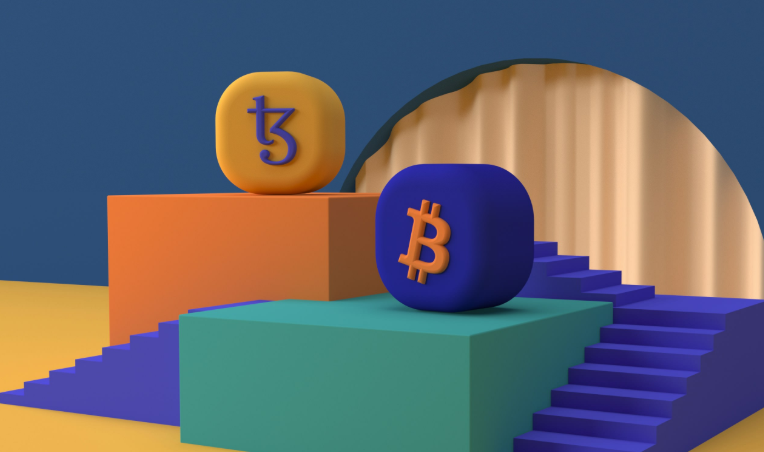
Non-Fungible Tokens (NFTs) have emerged as a significant phenomenon in the digital landscape, characterized by their unique properties that distinguish them from traditional cryptocurrencies. Unlike cryptocurrencies such as Bitcoin or Ethereum, which are fungible and can be exchanged on a one-to-one basis, NFTs are one-of-a-kind digital assets that represent ownership of specific items or content. This uniqueness is a critical aspect of their value, enabling buyers to possess genuine digital property that cannot be duplicated.
The underlying technology that enables the creation and management of NFTs is blockchain. This decentralized ledger technology ensures transparency and security, allowing for a verifiable history of ownership and provenance for each token. The majority of NFTs are built on the Ethereum blockchain, which was one of the first platforms to support smart contracts—self-executing contracts with the terms of the agreement directly written into code. This feature plays a vital role in operating various NFT transactions, ensuring they are executed automatically and securely.
The applications of NFTs extend beyond the realm of digital art into various industries, such as music, gaming, and even real estate. Artists and musicians can tokenize their work, thus providing them with new revenue streams while maintaining more control over their digital creations. In gaming, NFTs can represent virtual assets, such as unique skins or characters that players can trade or sell. Additionally, NFTs are finding their way into sectors like virtual real estate, allowing investors to buy and sell properties within virtual worlds. As the use of NFTs continues to grow, they are reshaping our understanding of ownership and value in the digital era, making them a compelling subject of study for enthusiasts and investors alike.
Choosing the Right Marketplace for Your NFTs
In the rapidly evolving world of digital assets, selecting the appropriate marketplace for selling non-fungible tokens (NFTs) is crucial for success. Various platforms cater to different needs, audiences, and types of NFTs, which makes understanding their features essential. This section will explore notable NFT marketplaces, including OpenSea, Rarible, and Foundation, assessing their unique benefits and potential drawbacks.
OpenSea is one of the largest and most popular NFT marketplaces, offering a wide variety of digital assets ranging from art to virtual real estate. Its user-friendly interface and extensive reach make it an ideal starting point for many sellers. However, potential drawbacks include a high level of competition and transaction fees that can accumulate depending on sales volume.
Rarible stands out with its community-driven approach, allowing users to create and sell their own NFTs while also participating in governance through its RARI token. This platform appeals to artists and creators who value direct engagement with their audience. On the downside, Rarible’s fees can vary considerably based on network congestion, potentially impacting profitability.
Foundation, on the other hand, is designed with artists in mind, offering a curated platform for high-quality artwork. It emphasizes exclusivity and community support, which can attract serious buyers looking for exceptional pieces. Nevertheless, sellers may find its entry requirements more stringent, as it relies on invitations to maintain the integrity of the marketplace.
When choosing the right marketplace for your NFTs, consider factors such as audience type, fee structures, and marketplace features. By weighing the pros and cons of each platform, you can make an informed decision that aligns with your goals and maximizes your chances of success in the NFT market.
Preparing Your NFT for Sale: Creating and Minting
Creating and minting a Non-Fungible Token (NFT) requires careful preparation and an understanding of both digital art and blockchain technology. The first step is to design your digital art. This process involves using high-quality tools and software such as Adobe Photoshop, Illustrator, or other graphic design programs that help you produce unique visual content. The originality of your artwork is crucial, not only for artistic integrity but also for the value it might hold in the NFT marketplace.
To ensure the quality of your digital art, pay attention to resolution and color depth. Strive to create pieces that are visually engaging and presentable, as these factors can significantly impact the desirability of your NFT. Remember to keep the metadata clean and well-organized, ensuring that all necessary information about your artwork is accurately documented.
Once your artwork is ready, you must select a suitable NFT platform for minting. Popular platforms like OpenSea, Rarible, and Mintable allow creators to mint NFTs with relative ease. Each platform has its own set of tools and guidelines for creators. Typically, the process involves creating an account, which may require a digital wallet to store your NFTs and any cryptocurrency transactions.
After setting up your account, you will follow the specific platform’s minting process. This generally includes uploading your digital art file, filling in details such as title, description, and properties, and finally confirming your minting transaction. Some platforms might charge a gas fee for transactions on the blockchain, which is essential to consider when pricing your NFTs. Once minted, your NFT will be listed for sale, allowing collectors to discover and purchase your unique digital asset.
This entire process may seem daunting, but with practice and careful attention to detail, you’ll find creating and minting NFTs can be an exciting venture in the ever-evolving digital landscape.
Setting the Right Price for Your NFT
Determining the appropriate price for an NFT (Non-Fungible Token) can significantly impact its success in the marketplace. As the NFT industry continues to evolve, understanding market trends is crucial. Keeping a pulse on the fluctuations in demand for various digital assets can help sellers adjust their pricing strategies accordingly. This requires regular monitoring of platforms where NFTs are bought and sold, as well as being aware of popular artists and emerging trends that influence market prices.
Researching similar NFTs can provide valuable insights into pricing. By examining the sale prices of comparable NFTs—considering factors such as artwork, rarity, and creator reputation—a seller can make informed decisions on how to price their own asset. Tools and analytics from NFT marketplaces often display historical sales data, offering a reference point for evaluating the competitive landscape.
In addition to market comparisons, it is essential to assess the intrinsic value of the NFT versus its perceived value. Intrinsic value relates to the inherent worth of the NFT based on its content—such as the creativity, skill, and uniqueness of the artwork or collectible. On the other hand, perceived value is driven by buyer sentiment, cultural trends, and community engagement. Sellers should strive to find a balance between these two values when setting a price, ensuring that it resonates with potential buyers while reflecting the true worth of the item.
Lastly, pricing an NFT competitively involves understanding the marketplace dynamics and setting a price that promotes both visibility and profitability. Sellers should avoid overpricing, which may deter buyers, and underpricing, which can undervalue their work. A strategic approach could involve setting an initial price based on research and adjusting according to buyers’ feedback and market activity. By applying these strategies, sellers can enhance their chances of successfully selling their NFTs.
Crafting an Effective NFT Listing
Creating compelling listings for NFTs is crucial in attracting potential buyers in the burgeoning digital marketplace. The first step in this process involves writing engaging descriptions that highlight the unique aspects of your NFT. It’s essential to convey the story behind the artwork or digital asset. A well-crafted description not only details the attributes of the piece but also resonates emotionally with potential buyers, drawing them into the narrative.
When showcasing the artwork or digital asset, high-quality visuals are paramount. Make sure to use high-resolution images that capture the details and intricacies of the NFT. Consider including multiple angles or close-up shots, allowing buyers to appreciate the craftsmanship. Additionally, incorporating video elements can elevate the presentation, providing an interactive experience that static images alone cannot offer. This is particularly beneficial for dynamic NFTs or animated pieces.
Utilizing multimedia elements can significantly enhance visibility in a crowded marketplace. Beyond images and videos, consider incorporating audio clips or background music if it complements the NFT. These additional elements not only enrich the viewer’s experience but also provide a more immersive understanding of the NFT’s value. Furthermore, leveraging social media platforms to share snippets of your listing can drive traffic to your NFT marketplace profile, creating buzz around your unique offerings.
Lastly, don’t underestimate the power of keywords and tags in your listings. Specific keywords that describe your NFT can improve your visibility in search results, ultimately leading to increased engagement. Striking a balance between creativity in the description and strategic keyword use can make your NFT listing stand out in an increasingly competitive landscape.
By combining engaging descriptions, high-quality visuals, multimedia elements, and strategic keyword use, creators can effectively attract and retain the interest of potential buyers, enhancing the chances of successful sales within the NFT marketplace.
Marketing Your NFT: Building Awareness
In the growing landscape of non-fungible tokens (NFTs), effective marketing is crucial for artists, creators, and sellers aiming to distinguish their work in a saturated marketplace. Building awareness around an NFT project involves several strategic approaches that can maximize visibility and reach potential buyers.
One of the most impactful strategies involves leveraging social media platforms. By sharing engaging content related to the NFTs, sellers can create buzz and increase interest. Platforms such as Twitter, Instagram, and TikTok are particularly effective for visual storytelling, allowing creators to showcase their work creatively. Regular posts, stories, and updates about the project can help maintain audience engagement, promoting a sense of community around the NFTs.
Engaging with NFT communities is another essential tactic. Joining forums and discussion groups on platforms like Discord or Reddit can help sellers connect with potential buyers who are already passionate about digital assets. Actively participating in conversations, providing insights, and sharing knowledge can build a reputation within these communities, making sellers more approachable when they present their NFTs.
Collaborating with influencers within the NFT space can also yield significant benefits. Influencers with cultivated audiences can introduce a seller’s NFT to a broader public, enhancing credibility and attractiveness. Many influencers are eager to partner on promotional campaigns that can be mutually beneficial, potentially leading to increased sales and exposure.
In addition, creating limited editions or special drops can create urgency, enticing buyers to act quickly and not miss out on unique opportunities. By combining these strategies, sellers can strategically enhance their marketing efforts, ensuring that their NFTs stand out in a competitive marketplace.
Navigating Legal Considerations and Copyright Issues
As the market for Non-Fungible Tokens (NFTs) continues to expand, a comprehensive understanding of the legal aspects associated with selling NFTs becomes paramount. One of the most significant legal considerations in this domain is copyright law, which governs the rights of creators over their digital works. When an individual mints an NFT, they are essentially creating a digital token that represents ownership of a specific artwork or digital asset; however, this process does not automatically grant the seller explicit rights to the content they are tokenizing.
It is essential for sellers to ensure that they possess the appropriate rights to the digital assets they intend to sell as NFTs. This includes obtaining permissions from the original creators if the seller is not the creator. Without these rights, sellers may inadvertently infringe upon copyright laws, leading to potential legal repercussions. Furthermore, even if a seller is the original creator, it is advisable to verify the extent of their ownership regarding the work. This includes understanding whether they own the copyright fully or if it has been shared or derived from another work.
In addition to copyright issues, sellers should also be aware of intellectual property rights that may affect their NFTs. These rights can vary significantly depending on jurisdiction but generally encompass the protection of creative works such as illustrations, music, and other forms of content. Sellers should consider registering their artworks with relevant authorities to protect their creations formally. This registration does not just offer a record of ownership but also provides additional leverage in case of disputes.
Moreover, educating oneself about fairness in digital commerce is crucial in the NFTs arena. Sellers should avoid misrepresenting the provenance of their artworks, which can lead to ethical dilemmas and mistrust among buyers. By upholding integrity and transparency when listing NFTs, sellers contribute to a fair marketplace, where legal and copyright concerns are managed diligently.
Managing Transactions and Interacting With Buyers
Successful selling of NFTs in a marketplace requires a structured approach to managing transactions and maintaining clear communication with potential buyers. The first step is to properly list the NFT, ensuring that all relevant details, including its uniqueness, history, and associated costs, are transparently presented. This not only establishes trust but also helps to mitigate potential misunderstandings during the sales process.
Once a buyer expresses interest, effective communication becomes vital. Engaging with buyers promptly and courteously can enhance their experience and increase the likelihood of a sale. It is advisable to respond to inquiries about the NFT promptly, providing additional insights when necessary. This level of engagement helps in building rapport and may address any concerns the buyer may have about the purchase.
When a transaction is initiated, it is important to confirm the agreed price and payment method. Most NFT marketplaces offer secure payment solutions, which are designed to protect both the seller and buyer during the transaction. Sellers must ensure they understand these mechanisms and adhere to the marketplace guidelines to avoid potential pitfalls.
After securing the payment, the next step is to transfer the NFT to the buyer’s wallet. This process should be conducted with careful attention to detail, as transferring an NFT incorrectly can lead to disputes. It is advised to double-check the buyer’s wallet address before completing the transaction to ensure that the NFT is sent to the correct destination.
Should any issues arise during this process, such as payment delays or technical difficulties, it is essential for sellers to address these problems swiftly to maintain buyer confidence. Clear and concise communication will aid in resolving disputes amicably, further ensuring a smooth selling experience in the NFT marketplace.
Post-Sale Actions: Continuing Engagement with Buyers
Once a sale has been made in the NFT marketplace, the relationship between the seller and the buyer does not need to end. In fact, maintaining this relationship is crucial for future success. Engaging with buyers after a sale can enhance their overall experience and increase the likelihood of repeat purchases in the future. Sellers should focus on providing ongoing value to their customers to foster loyalty and build a community around their NFTs.
One effective way to maintain engagement post-sale is through personalized follow-ups. Sellers can reach out to buyers to thank them for their purchase, inquire about their experience, and ask for any feedback. This not only makes the buyer feel appreciated but also opens the door for dialogue, which can lead to valuable insights for the seller. By showing genuine interest in their clients’ opinions, sellers can adjust their strategies to better meet the needs of the market.
Furthermore, informing buyers about future drops can significantly enhance their level of engagement. When sellers communicate upcoming NFT releases or exclusive offers, they create anticipation and encourage the buyer to stay connected. This type of transparency helps buyers feel like they are a part of an evolving journey, rather than just a one-time transaction.
Community involvement is another powerful tool for maintaining buyer relationships. By creating or participating in forums, social media groups, or virtual events related to NFTs, sellers can cultivate a sense of belonging among their customers. Engaging with buyers in these environments allows sellers to share insights, celebrate milestones, and promote upcoming projects, further solidifying customer loyalty.
Overall, nurturing post-sale relationships is essential for sellers operating in the NFT marketplace. By implementing follow-up strategies, promoting future drops, and fostering community involvement, sellers can enhance customer satisfaction and loyalty, ultimately leading to sustained success in their NFT endeavors.