




Introduction to Exchange Types
Exchanges play a crucial role in the cryptocurrency market, acting as platforms that facilitate the buying, selling, and trading of digital assets. These exchanges serve as intermediaries, providing a structure where investors can engage with the market, make informed decisions, and access a variety of cryptocurrencies. As the landscape of digital currencies continues to expand, it becomes essential to understand the distinctions between the different types of exchanges available today.
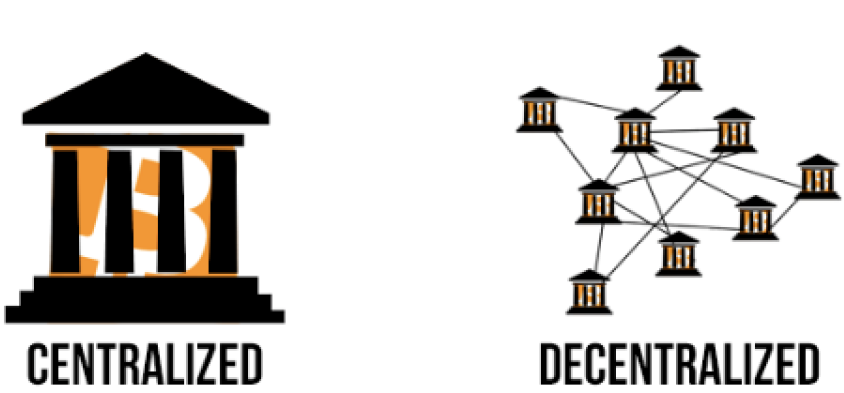
Primarily, exchanges can be classified into two categories: centralized exchanges (CEX) and decentralized exchanges (DEX). Centralized exchanges are managed by a central authority or organization that oversees the trading process, implements security measures, and operates the platform. These exchanges often provide a user-friendly experience, along with features such as customer support and liquidity. However, centralized exchanges also require users to trust the entity managing the platform, raising potential concerns regarding security and accountability.
On the other hand, decentralized exchanges operate without a central governing body, allowing users to trade directly with one another through the use of smart contracts and blockchain technology. This approach aims to enhance privacy and reduce reliance on any single entity, aligning more closely with the core values of cryptocurrency, such as transparency and decentralization. Nevertheless, DEXs may present challenges, including lower liquidity and a steeper learning curve for new users.
Understanding these fundamental differences is essential for participants in the cryptocurrency market. Each type of exchange offers distinct advantages and drawbacks, impacting traders’ choices based on their needs, risk tolerance, and overall experience in the crypto space. As we delve deeper into the characteristics and functionalities of centralized and decentralized exchanges, this knowledge will guide users in making informed decisions that align with their trading strategies.
What Are Centralized Exchanges?
Centralized exchanges (CEXs) are online platforms that facilitate the buying, selling, and trading of cryptocurrencies. These exchanges act as intermediaries between buyers and sellers, providing a structured environment where users can execute trades with relative ease. One of the primary characteristics of centralized exchanges is the requirement for users to create an account, which usually involves the submission of personal information and verification, enhancing security but also raising privacy concerns.
User experience on centralized exchanges is typically designed to be intuitive and straightforward. Most platforms employ user-friendly interfaces that cater to both novice and experienced traders. Features such as live trading charts, order books, and diverse payment methods are standard, allowing users to navigate the platform efficiently. Prominent examples of centralized exchanges include Binance and Coinbase, renowned for their extensive selection of cryptocurrencies and robust trading tools.
Security measures at centralized exchanges are critical, given the increasing threats posed by cyber-attacks and hacking incidents. Most exchanges implement advanced security protocols, such as two-factor authentication (2FA), cold storage for digital assets, and encryption techniques to protect user data. However, the reliance on a centralized entity also introduces risks; should the exchange be compromised, users may face significant losses. In this sense, trust in the security of the exchange becomes paramount.
Moreover, the role of intermediaries is significant in centralized exchanges. Unlike decentralized exchanges, where users interact directly with one another, centralized exchanges manage and facilitate transactions. This can lead to faster transaction times and improved liquidity, essential aspects for traders. However, it also means that users must trust the exchange to act in their best interest. Such dynamics highlight the trade-offs involved in using centralized exchanges, balancing convenience and speed against security and trust.
What Are Decentralized Exchanges?
Decentralized exchanges (DEXs) represent a fundamental shift in the way cryptocurrency transactions are conducted. Unlike traditional, centralized exchanges that rely on intermediaries to facilitate trades, DEXs operate on blockchain technology, allowing users to engage in peer-to-peer transactions directly. This eliminates the need for a central authority that controls the exchange process, thus providing users with greater autonomy over their assets.
One of the primary benefits of decentralized exchanges is their enhanced security. Since users retain control of their private keys, the risk of hacking incidents that have plagued centralized exchanges is significantly reduced. Additionally, the pseudonymous nature of blockchain transactions helps protect user privacy, further enhancing the overall security framework inherent in DEXs.
Furthermore, decentralized exchanges promote greater market inclusivity. By removing barriers to entry, individuals from all around the globe can participate in trading without the need for extensive identification processes often enforced by centralized platforms. This accessibility allows a diverse range of users to engage in the cryptocurrency market, facilitating a more democratized financial ecosystem.
Popular examples of decentralized exchanges include Uniswap and SushiSwap, both of which enable users to trade tokens without the need for a traditional order book system. Instead, these platforms utilize automated market-making mechanisms, allowing users to provide liquidity to trading pairs and earn rewards. Through liquidity pools, DEXs offer unique solutions that cater to varying trading strategies and preferences, appealing to a wide audience.
In conclusion, decentralized exchanges exemplify a groundbreaking advancement in the world of cryptocurrency trading. By leveraging blockchain technology, they empower users, enhance security, and democratize access to digital assets, setting the stage for a future where financial transactions can occur without intermediaries.
Key Advantages of Centralized Exchanges
Centralized exchanges (CEX) have gained prominence in the cryptocurrency trading landscape due to several significant benefits they offer to users. One of the foremost advantages of using a centralized exchange is the ease of use that it provides. Compared to decentralized platforms, CEXs are designed with user-friendly interfaces, making it accessible for beginners to navigate and execute trades. These platforms typically feature intuitive layouts to help novice traders get acquainted with the trading process, thereby lowering the barrier to entry into the market.
Another substantial benefit of centralized exchanges is the high liquidity they offer. Liquidity is crucial for traders, particularly when executing larger orders without significantly impacting the market price. Centralized exchanges often attract a high volume of traders, leading to a robust order book and enabling users to buy or sell assets quickly and with minimal price slippage. This environment is conducive for both short-term and long-term traders looking to capitalize on market movements effectively.
Additionally, centralized exchanges usually provide advanced trading features that can be incredibly valuable for traders looking to optimize their strategies. These platforms often come equipped with tools such as margin trading, stop-loss and take-profit orders, and charting tools, which are essential for serious traders to effectively analyze market trends. Furthermore, many centralized exchanges implement security measures that protect user funds, adding an additional layer of confidence for users managing substantial investments.
In summary, centralized exchanges offer various key advantages, including user-friendly interfaces, high liquidity, and advanced trading features. These aspects make them a preferred choice for many traders, especially those new to the cryptocurrency space or those seeking a comprehensive trading environment to realize their trading goals.
Key Advantages of Decentralized Exchanges
Decentralized exchanges (DEXs) have gained significant traction in the cryptocurrency space due to their ability to offer users greater control, privacy, and security compared to their centralized counterparts. One of the most notable advantages of DEXs is that they grant users complete control over their funds. Unlike centralized exchanges, where users must deposit their assets into the exchange’s wallet, DEXs allow individuals to trade directly from their personal wallets. This ensures that users maintain ownership of their assets at all times.
Enhanced privacy is another compelling feature of decentralized exchanges. DEXs typically do not require users to complete extensive Know Your Customer (KYC) processes, which can involve sharing personal identification information. This lack of stringent regulatory requirements appeals to privacy-focused users who value anonymity in their trading activities. By mitigating the need for personal data disclosure, DEXs foster a trading environment that prioritizes user privacy.
Furthermore, decentralized exchanges inherently reduce the risks associated with hacks and security breaches. Centralized exchanges have been frequent targets for cyberattacks, where hackers exploit security vulnerabilities to access users’ funds. Since DEXs operate without a central authority, they do not hold large amounts of user funds in a single location, thus minimizing the potential impact of such attacks. In this decentralized model, the risk of hacking is significantly decreased, making it a more secure option for traders.
In addition to these features, DEXs promote a fairer trading environment by allowing users from around the globe to participate in trading without barriers. This inclusivity is particularly appealing to those who are skeptical of centralized control and seek a more democratic approach to cryptocurrency transactions. Overall, the advantages of decentralized exchanges are becoming increasingly relevant as users prioritize independence and security in their trading experiences.
Risks Associated with Centralized Exchanges
Centralized exchanges (CEXs) serve as pivotal platforms for cryptocurrency trading, yet their structure exposes users to various risks. One of the principal concerns surrounding centralized exchanges is the threat of hacks. Over the years, numerous large-scale breaches have resulted in significant losses for both the exchanges and their users. Prominent examples include the notorious Mt. Gox incident and the bitfinex hack, where millions in digital currencies were stolen. These events highlight the vulnerability of centralized systems, primarily due to insufficient security measures and the high-profile nature of their operations.
Reliance on third-party custody is another substantial risk associated with centralized exchanges. Users must entrust their assets to the exchange, which acts as a custodian. This dependence can be problematic since users often have limited control over their funds. In some cases, exchanges may face insolvency or mismanagement, leading to users being unable to access their assets. The lack of ownership over the private keys further compounds this risk, creating dependency and making users susceptible to potential financial losses.
Regulatory challenges present yet another layer of risk for centralized exchanges. Governments worldwide are increasingly scrutinizing the cryptocurrency space, leading to evolving compliance requirements. Exchanges might be forced to adhere to diverse regulations, which can vary significantly between jurisdictions. Such compliance can impact the operational model of the exchange, limiting trading opportunities and access for users. Furthermore, a lack of clarity in regulations may result in sudden policy changes that jeopardize users’ investments.
In essence, while centralized exchanges provide user-friendly platforms for trading cryptocurrencies, they are not without their vulnerabilities. Understanding the risks, particularly regarding security breaches, custody issues, and regulatory environments, is crucial for users engaging with these exchanges. By examining past incidents, users can better assess the landscape of centralized exchanges and make informed decisions regarding their investments.
Risks Associated with Decentralized Exchanges
Decentralized exchanges (DEXs) offer users the ability to trade cryptocurrencies directly with one another without the need for a centralized authority. While this provides certain advantages, it also introduces various risks that traders must consider. One significant concern is lower liquidity compared to centralized exchanges. When trading on a DEX, users may face challenges finding adequate trading pairs or executing large orders without experiencing slippage. This reduced liquidity can hinder effective trading strategies and lead to unfavorable market conditions for users.
Another prominent risk associated with decentralized exchanges stems from smart contract vulnerabilities. DEXs operate on blockchain protocols and often rely on complex smart contracts to facilitate transactions. If these contracts are not thoroughly audited or contain bugs, they may be exploited by malicious actors, leading to significant financial losses. Users should exercise caution and conduct due diligence on the smart contract’s security before engaging with a specific DEX.
Furthermore, the user experience on decentralized exchanges can be less intuitive compared to their centralized counterparts. Traders may encounter various challenges such as the need for a wallet for managing cryptocurrencies, understanding transaction fees, and navigating the decentralized finance (DeFi) ecosystem. This complexity can create barriers for less experienced users, potentially leading to mistakes that could result in lost funds. Thus, it becomes paramount for traders to invest time in educating themselves about the functionalities and risks of using DEXs.
To mitigate these risks, prospective users should stay informed about the decentralized exchange landscape and utilize educational resources available within the crypto community. Understanding the liquidity dynamics, the importance of smart contract security, and the intricacies associated with user experience are crucial for successfully navigating decentralized trading platforms.
Comparative Analysis: Centralized vs Decentralized
In the realm of cryptocurrency trading, understanding the differences between centralized and decentralized exchanges is essential for traders seeking to optimize their trading strategies. Each type of exchange offers distinct features and benefits that cater to varying trading preferences and risk tolerances.
Starting with security, centralized exchanges are often more vulnerable to hacks since they store users’ funds in a single location, making them attractive targets for cyber attackers. However, they typically implement robust security measures like multi-signature wallets and two-factor authentication to safeguard assets. Conversely, decentralized exchanges (DEXs) provide enhanced security by enabling peer-to-peer transactions. Since there is no central authority holding funds, users retain control over their private keys, minimizing the risk of centralized theft.
Liquidity is another key factor in this comparative analysis. Centralized exchanges generally boast higher liquidity due to their established user bases, enabling quicker trade execution and narrower spreads. This liquidity is beneficial for traders aiming to make substantial transactions without experiencing significant price fluctuations. In contrast, decentralized exchanges may experience lower liquidity, making large trades more challenging and potentially leading to slippage and less favorable trading conditions.
When it comes to trading fees, centralized exchanges often have a structured fee schedule that may involve maker-taker fees. While some centralized platforms may offer low fees for high-volume traders, others might charge higher costs for transactions or withdrawals. DEXs, on the other hand, often have lower fees as they do not require intermediaries; however, users still incur costs related to gas fees on blockchains, which can vary based on network congestion.
Ease of use is also an important consideration. Centralized exchanges usually feature user-friendly interfaces designed for traders of all experience levels, offering various tools and resources to simplify the trading process. In comparison, decentralized exchanges may require a steeper learning curve, as users must understand how to manage wallets and execute trades without the support of a centralized authority. Ultimately, the choice between a centralized and decentralized exchange depends on individual preferences regarding security, liquidity, fees, and usability.
Future Trends in the Exchange Landscape
The landscape of digital asset trading is rapidly evolving, influenced by technological advancements and shifting user preferences. Notably, there is a rising interest in hybrid exchanges that seek to combine the strengths of both centralized and decentralized exchanges. These hybrid models strive to provide users with the security and transparency characteristic of decentralized platforms while maintaining the high liquidity and user experience often found in centralized exchanges.
Emerging trends indicate that users are increasingly valuing privacy, security, and flexibility in their trading experience. As a result, hybrid exchanges are becoming more prevalent, offering features such as liquidity pools and user-controlled funds. The integration of advanced technologies, including automated market makers (AMMs) and order book functionalities, is expected to enhance the efficiency of these platforms, making them a viable option for a broader audience.
Additionally, the ongoing innovation in blockchain technology and the growing adoption of layer two solutions are likely to play a significant role in shaping the future of trading platforms. These advancements address many scalability and transaction speed issues currently faced by traditional centralized exchanges. As these technologies mature, it is probable that trading on decentralized platforms will become as straightforward and efficient as on their centralized counterparts.
Moreover, regulatory developments around the globe may shape the future of both centralized and decentralized exchanges. As governments introduce clearer guidelines, there could be more significant institutional participation in the exchange markets. This shift might lead to an increased focus on compliance and user protection, which could ultimately benefit the overall cryptocurrency trading ecosystem.
In conclusion, the future of trading platforms appears promising with the continual evolution of exchange models. The rise of hybrid exchanges, along with advancements in blockchain technology and evolving regulations, suggests that users may soon enjoy a more integrated and efficient trading experience than ever before.